

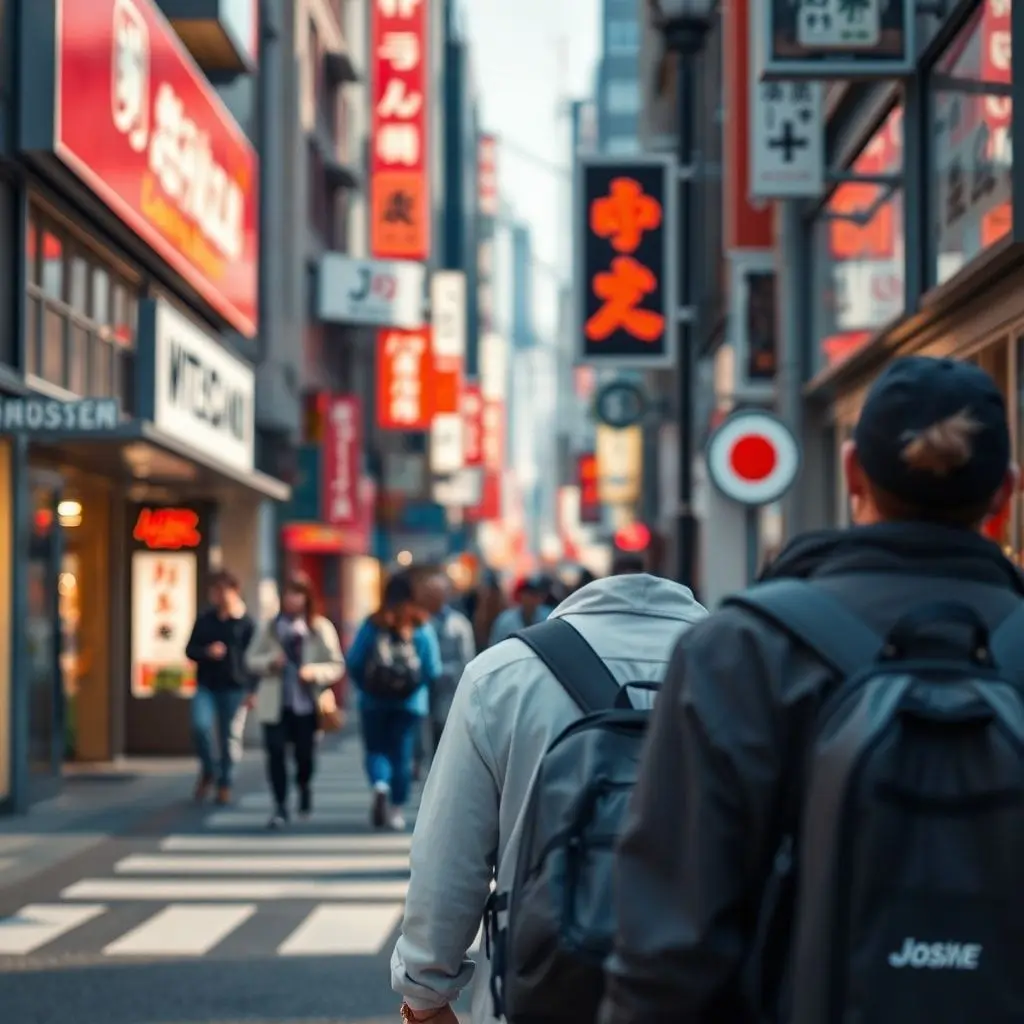
Planning a journey can be thrilling yet challenging. Travelers often seek the best ways to maximize their budgets. Timing plays a crucial role in this process. Securing a favorable rate is not merely a matter of luck; it requires insight and strategy. Understanding the nuances of when to book can lead to significant savings. This is particularly relevant in a country known for its rich culture and breathtaking landscapes.
According to recent industry data, prices fluctuate based on various factors, including seasonal demand and holidays. For instance, booking in advance can lead to discounts, while last-minute deals may offer unexpected opportunities. However, navigating these trends can be perplexing. Frequent travelers suggest keeping a close watch on market shifts. This vigilance can yield amazing results.
Additionally, monitoring airfare trends shows that certain days of the week may yield better rates. Stats indicate that prices often dip on Tuesdays and Wednesdays. These insights can allow travelers to make informed decisions. Timing isn’t solely about when you book, but also about being aware of upcoming events. Special occasions like cherry blossom season can dramatically affect availability and prices.
Thus, travelers need to adopt a proactive approach when planning their trips. By understanding the market dynamics, one can unlock significant financial benefits. It’s about striking the right balance between timing and opportunity. With a little research and flexibility, the journey can become not just memorable, but also economical.
Understanding Seasonal Trends in Airfare
Airfare fluctuates based on numerous factors, including seasonal changes. These variations can significantly affect your travel budget. Understanding these trends can lead to better financial decisions. Moreover, knowing peak and off-peak seasons is essential for savvy travelers.
In Japan, seasonal trends play a crucial role in determining ticket prices. During the cherry blossom season, airfare tends to spike. Similarly, summer vacations lead to increased demand, thereby raising costs. Recognizing these patterns allows travelers to plan strategically.
Consider the following aspects that influence airfare throughout the year:
- Holidays and Festivals: Major events increase travel demand.
- Weather: Different seasons affect traveler preferences.
- School Breaks: Families often travel during school vacations.
- Business Seasons: Corporate travel impacts demand during certain months.
For instance, traveling during the New Year’s holiday can result in inflated prices, often exceeding the average fare by 30% to 50%. In contrast, the winter months, especially February, frequently experience lower demand, leading to significantly reduced rates. What’s more, trends reveal that advance bookings can help mitigate costs during busy periods.
Understanding these seasonal shifts is not just about saving money. It’s also about enhancing your overall travel experience. By aligning your travel plans with these trends, you can avoid crowds and enjoy a more relaxed journey. Therefore, staying informed on seasonal dynamics is essential for any traveler looking to make the most out of their experience.
Peak Travel Seasons in Japan
Understanding when to visit Japan can significantly enhance your travel experience. Certain periods see a surge in visitors, driven by holidays, festivals, and seasonal attractions. These peaks not only affect the number of travelers but also influence accommodation availability and pricing. Knowing these busy times can be crucial for planning a smooth journey. For instance, the cherry blossom season attracts millions, turning parks into picturesque landscapes.
Japanese holidays also contribute to crowded skies and bustling cities. The following table outlines the key travel seasons throughout the year:
| Season | Peak Months | Notable Events |
|---|---|---|
| Spring | March to May | Cherry Blossom Festivals, Golden Week |
| Summer | June to August | Gion Matsuri, Beach Season |
| Autumn | September to November | Autumn Leaves, Sports Festivals |
| Winter | December to February | New Year Celebrations, Ski Season |
During spring, the breathtaking sakura blooms entice nature lovers, while the summer months invite cultural festivities. Autumn showcases vibrant foliage, and winter turns regions into snowy wonderlands, perfect for winter sports enthusiasts. As a result, travelers should anticipate higher demand for accommodations and services. In this context, consider alternatives like flights tickets to australia during off-peak seasons to avoid crowds and capture a unique travel experience.
Explore the busiest times for tourism and how they affect ticket prices.
Understanding peak tourist seasons is crucial for savvy travelers. These periods not only see a surge in visitor numbers but also influence airfare significantly. High demand often leads to inflated prices, making it essential to plan ahead. Japan, known for its vibrant culture and stunning landscapes, attracts millions yearly, particularly during popular festivals and cherry blossom seasons. Consequently, knowing when these busy times occur can help travelers secure better deals.
The cherry blossom season typically peaks in late March to early April, captivating tourists with breathtaking sakura views. Another bustling period is the Golden Week in early May, where locals take vacations, contributing to increased air traffic. Additionally, summer months, especially around Obon in mid-August, see a noticeable rise in travelers. Each of these seasons comes with distinctive charm, but they also mean crowded attractions and higher transportation fares.
Research indicates that during these peak periods, airfares can rise by up to 30% compared to the off-season. In contrast, traveling during less frequented months can yield substantial savings. By choosing to visit Japan in late autumn or winter, tourists can not only enjoy the serene beauty of the landscapes but also find more competitive prices for flights and accommodations. For instance, flights during the serene months of February and March often cost significantly less than during the cherry blossom bloom.
Ultimately, being aware of busy tourism periods is a powerful strategy for cost-effective travel. Whether you’re drawn to the picturesque temples during hanami or the electrifying energy of summer festivals, planning your journey around these insights can enhance your overall experience. For travelers considering journeys to other countries, it’s worth noting that airfare prices fluctuate similarly, as seen with flights to italy cost.
Off-Peak Advantages
Traveling during less busy periods brings a multitude of benefits. Costs tend to be significantly reduced, enabling more affordable adventures. Travelers often encounter reduced crowds, leading to a more relaxed experience. Additionally, services and accommodations can be more readily available.
The decrease in demand during off-peak seasons directly translates into lower prices, which can be particularly advantageous for budget-conscious explorers. According to industry statistics, flying during these times can save travelers up to 30% or more compared to peak periods, allowing for enhanced travel experiences without breaking the bank. Furthermore, attractions and destinations are less congested, providing a more intimate atmosphere that enhances the overall enjoyment of the journey.
Choosing to explore during these quieter times also offers the chance to mingle with locals, gaining deeper insights into the culture and everyday life. It’s during these moments that connections can flourish, creating lasting memories beyond the typical tourist experience.
Learn about the benefits of traveling during less busy months.
Traveling during less busy months presents numerous advantages that enhance the overall experience. Fewer tourists mean less crowded attractions and more opportunities for genuine interactions. Those who venture out during these quieter times often find lower prices not only for accommodations, but also for various activities. This unique timing allows for a more immersive cultural experience.
Airfare can be significantly reduced when choosing to travel outside the peak seasons. According to industry statistics, travelers might save up to 30% on flights by selecting dates in the off-peak period. Additionally, local experiences are often more accessible. Expect shorter lines at popular landmarks and a more relaxed pace.
Furthermore, many restaurants and shops provide special deals to attract visitors during these quieter months. This means you can enjoy premium services at a fraction of the price. If you’re aiming for a memorable getaway, consider planning your trip in advance to align with such advantageous periods, where the beauty of Japan can be appreciated without the usual hustle and bustle.
- Less crowded attractions
- Lower accommodation rates
- Greater local interaction
- Improved travel comfort
- Access to exclusive deals
Whether you are exploring vibrant cities or serene landscapes, traveling during these off-peak months not only enhances the journey but also allows you to enjoy Japan’s rich culture without battling the crowds. For those considering a trip, don’t forget to research flight options for other destinations too; check out saona island flights for exciting getaway ideas.
Holiday Impact on Airfare
Seasonal celebrations significantly influence the cost of travel within the country. Major holidays often lead to increased demand for transportation services. This surge can drive prices higher as travel enthusiasts flock to popular destinations. For instance, events like New Year’s, Golden Week, and Obon see a notable rise in airfare. It’s essential to recognize these patterns when planning a journey.
During peak holiday seasons, airlines may raise prices by as much as 30% or more compared to off-peak periods. The sheer volume of travelers creates a competitive atmosphere, pushing costs higher. While many people anticipate travel during these festivities, it’s wise to book well in advance to secure better rates. Last-minute planners often face a harsh reality of inflated charges.
In contrast, traveling during less popular months provides a great opportunity for savings. Those willing to adjust their schedules can reap the benefits of significantly lower prices. Times outside holiday periods usually see lower demand, which can result in fares that are 20-50% lower than during peak times. This strategy not only makes travel more affordable, but it also leads to a more enjoyable experience without the crowds.
Analyze how Japanese holidays influence ticket pricing.
Japanese holidays play a pivotal role in determining airfare costs throughout the year. Understanding when these holidays occur can help travelers make informed decisions. When demand surges, so too do prices. Popular festivals and public holidays often lead to inflated rates. The travel market sees significant fluctuations tied to these events.
For instance, during Golden Week, which typically spans late April to early May, prices can skyrocket. This period draws millions of travelers, resulting in an estimated 20-30% increase in airfare compared to off-peak times. Similarly, during the Obon festival in mid-August, airlines often experience a similar surge in demand and corresponding price hikes. These busy periods can lead to packed planes and limited availability, compelling travelers to book well in advance to secure decent rates.
Additionally, New Year celebrations also contribute to increased fare prices. Many Japanese citizens travel home for family gatherings, resulting in a high demand for seats. The increase can be as significant as 40% during this time, highlighting the importance of planning ahead. Travelers aiming to take advantage of lower prices should avoid these peak holiday windows.
By recognizing these crucial moments, individuals can strategically plan their travels. Knowing when to book and when to postpone trips can lead to substantial savings. Observing patterns and preparing for fluctuations allows for a more advantageous travel experience.
Strategies for Smart Ticket Purchases
Making informed decisions when securing travel arrangements can drastically impact your budget and overall experience. Understanding when to buy can save you considerable amounts. Analyzing historical data, consumer behavior, and market trends will help you make savvy choices. Here are some key strategies to enhance your purchasing experience.
- Set Price Alerts: Utilize apps and websites that notify you of price changes.
- Book in Advance: For most routes, reserving several months ahead can yield better rates.
- Be Flexible with Dates: Adjusting your travel dates by even a few days can lead to significant savings.
- Consider Nearby Airports: Explore options at alternative airports to discover lower fares.
- Use Incognito Mode: Browsing in a private window can prevent price hikes based on your search history.
While these strategies are effective, understanding the nuances of fare fluctuations during specific periods can further enhance your savings; for instance, knowing that many airlines often release discounted fares on certain days of the week, like Tuesday or Wednesday, can help you schedule your searches more effectively and capitalize on these opportunities when they arise.
- Check last-minute deals, though they can be risky.
- Join loyalty programs to earn rewards and access exclusive discounts.
- Research budget carriers that may offer competitive pricing.
- Take advantage of sales events like Black Friday and Cyber Monday.
- Monitor social media for flash sales and promotions from airlines.
By implementing these strategies, you can better navigate the complexities of fare pricing and make more educated choices that fit your travel schedule and budget, ultimately transforming your travel plans into a financially savvy endeavor.
Best Days of the Week to Buy
Finding the right moment to secure your travel plans can significantly impact your budget. When considering savings, the day of the week plays a crucial role. Many travelers overlook this aspect, yet it can lead to considerable differences in overall expenses. By understanding the patterns in ticket pricing, you can better strategize your purchases. Generally, prices fluctuate based on demand and purchasing trends, which often align with specific days.
Statistical data reveals that Tuesdays and Wednesdays frequently offer the lowest rates for travelers. These mid-week days often see fewer transactions, resulting in airlines adjusting prices downward to stimulate sales. Compared to weekends, when consumer activity peaks, the quieter mid-week allows airlines to optimize their offerings. As a result, you may find significant discounts available if you plan your acquisition accordingly.
| Day | Average Price Change | Reasoning |
|---|---|---|
| Monday | +3% | Post-weekend surge in demand |
| Tuesday | -5% | Airlines adjust rates after the weekend |
| Wednesday | -4% | Continued mid-week lull in demand |
| Thursday | +1% | Increased anticipation for weekend travel |
| Friday | +5% | High demand as weekend plans form |
| Saturday | +7% | Peak booking day for leisure travelers |
| Sunday | +4% | Last-minute bookings increase prices |
Ultimately, this means that planning your purchase for mid-week can provide substantial savings, allowing you to allocate those funds toward your travel experiences instead. Consider these patterns when organizing your next adventure for the best financial outcome, and you’ll find that a little planning can go a long way in enhancing your travel budget.
Discover which days yield the lowest prices based on recent data.
Analyzing pricing patterns reveals intriguing insights into airfare costs. Identifying the days that offer the best deals can be a game changer for savvy travelers. Various studies show that certain days consistently yield lower fares. Factors such as demand, booking cycles, and airline pricing strategies play crucial roles.
Recent statistics indicate that Tuesdays and Wednesdays are often the most favorable days to secure lower prices. Many airlines release their discounts early in the week, making mid-week the ideal window for making a reservation. It’s noteworthy that flights tend to be cheaper on these days due to reduced competition among travelers. Consider planning your travel dates accordingly.
In contrast, weekends–especially Fridays and Sundays–are typically more expensive. The higher demand for travel during these days means airlines adjust their pricing accordingly. Interestingly, the best savings are often found during early morning or late-night hours when fewer people are checking for flights.
Analyzing the data, it is clear that planning your booking around these particular days can result in significant savings. Therefore, adopting a proactive approach to monitoring prices during the week, especially on Tuesdays and Wednesdays, can enhance your chances of finding exceptional deals while flying.











3 responses
Hey y’all! As a travel enthusiast, I always try to score the best deals on flight tickets. When it comes to Japan, it really depends on the season you’re traveling in. Spring and fall are usually peak times, so I suggest booking at least 2-3 months in advance. Summer and winter might have cheaper prices if you book last minute!
Hey guys, I’m planning a trip to Japan and I was wondering when is the best time to buy flight tickets? I’m on a budget so I want to make sure I get the best deal possible. Any tips from fellow travelers or agents?
Yo, quick question – what are the best days of the week to buy flight tickets to Japan? I’m trying to plan a trip and want to make sure I’m getting the best bang for my buck. Any suggestions?