


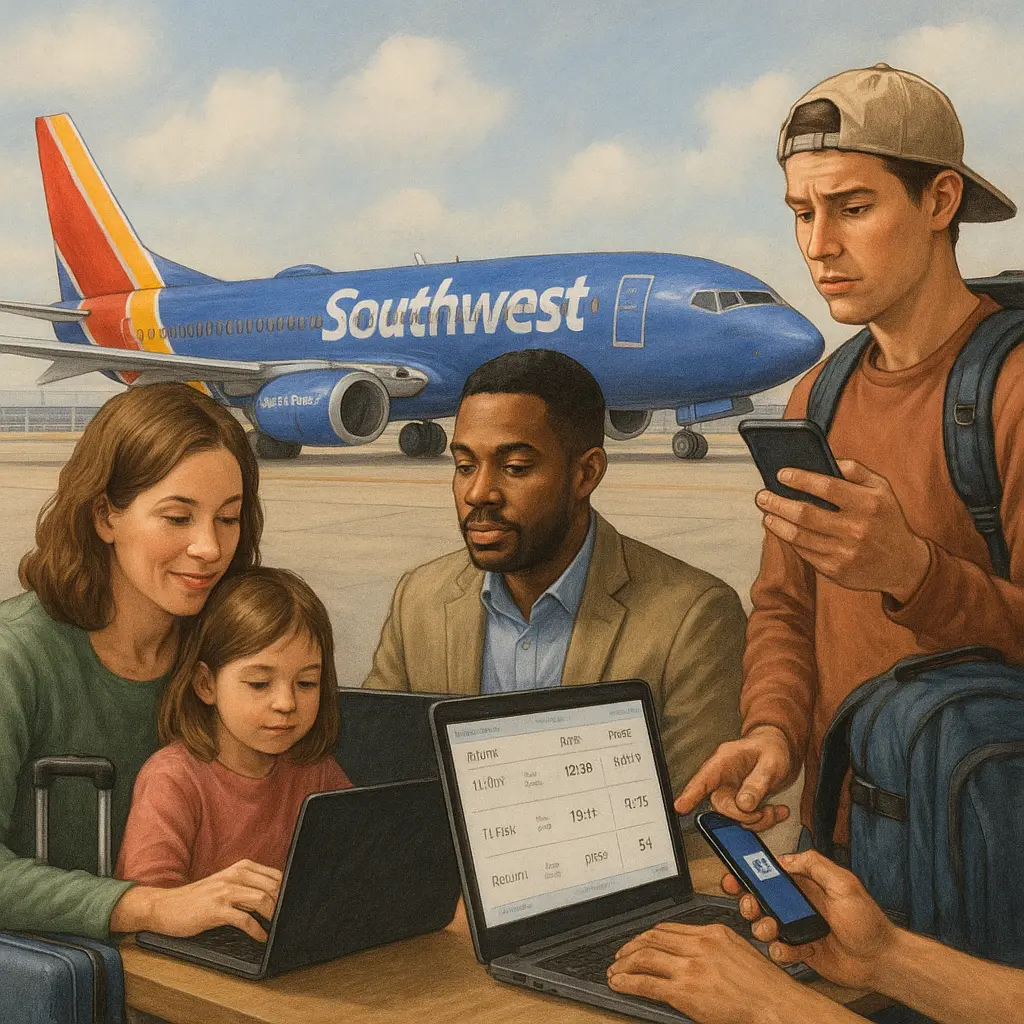
In a world where travel can be abruptly halted, understanding how to cope is essential. Travelers often find themselves grappling with unexpected changes. These disruptions can stem from various sources, creating a whirlwind of challenges. Being caught off guard can lead to frustration and confusion. However, knowing how to respond can make all the difference.
In recent years, the industry has seen a surge in incidents that alter travel plans. Statistics reveal that more than 25% of flights were delayed or canceled in 2024, significantly impacting passengers’ experiences. Such data underscores the necessity for preparedness in these turbulent times. The ability to remain composed and informed can turn a difficult situation into a manageable one. With the right approach, even the most chaotic travel experiences can be navigated with grace.
While it might seem daunting, there are ways to enhance your travel resilience. First, understanding your rights as a passenger is crucial. Different airlines have varying policies when it comes to refunds and rebooking. Familiarizing yourself with these can help you make informed choices. Moreover, utilizing technology can empower you to stay updated on your flight status. Mobile applications and real-time alerts can ease the burden of uncertainty.
Ultimately, preparation is your best ally in times of travel turmoil. Embracing flexibility and keeping a positive outlook can transform your journey. Remember, it is not just about reaching your destination but the experience along the way. By being proactive and staying informed, you can traverse even the roughest patches of your travel plans.
Understanding the Causes of Cancellations
Flight disruptions can stem from a variety of sources. Weather events are often the most visible culprits. Fog, storms, and snow can significantly affect schedules. Technical issues, ranging from mechanical failures to software glitches, can also lead to delays or cancellations. Security concerns, especially in times of unrest, frequently necessitate abrupt alterations in flight plans.
In recent years, statistics indicate that approximately 22% of all flight cancellations in the U.S. result from weather conditions. This percentage fluctuates based on the region and the time of year, with winter months typically showing higher disruptions. Beyond weather, regulatory changes or labor strikes can trigger unexpected alterations. For instance, protests or unrest can compromise airport safety, forcing airlines to cancel or reroute flights.
Moreover, operational decisions have a profound impact on service reliability. When airlines face staffing shortages due to unforeseen circumstances, their ability to maintain scheduled flights diminishes. The combination of these factors can create a ripple effect, causing further delays and cancellations, leaving travelers stranded or frustrated.
Impact of Political Instability on Travel
Traveling amid unrest can lead to unpredictable disruptions. Flights may be delayed or canceled without warning. Routes may change, and safety conditions can fluctuate rapidly. This not only affects travelers in the region but also those heading to these destinations.
When a country faces unrest, the implications are broad. Tourists might reconsider their plans, leading to significant drops in arrivals. For instance, regions experiencing crises can see up to a 30% decline in tourism. This impacts local economies and international carriers alike.
- Flight costs may rise due to increased demand for alternative routes.
- Travel insurance becomes crucial as policies vary widely in coverage.
- Passengers must stay updated with reliable news sources.
Additionally, airlines often re-evaluate their operational strategies in response to local conditions. The need for heightened security can lead to longer wait times at airports and additional screenings, making the journey feel more cumbersome.
- Be flexible with your itinerary to accommodate sudden changes.
- Keep a close eye on travel advisories from official agencies.
- Consider alternate destinations, such as flights to Tokyo, if unrest escalates.
As the landscape evolves, travelers must remain vigilant. Connections may be severed, and plans altered at a moment’s notice. Having contingency plans is not just wise, it is essential for minimizing disruptions and ensuring safety while navigating these turbulent times.
Airline Responses to Unrest
Air carriers often face challenges when turbulence arises in specific regions. Their reactions can significantly affect travelers’ experiences. Some companies prioritize passenger safety above all else. Others attempt to maintain schedules despite external pressures. The variations in responses reflect distinct corporate philosophies and operational capabilities.
When disturbances occur, airlines may opt for several strategies. These include rerouting flights, increasing flexible booking options, or even temporarily suspending operations. For instance, a 2024 survey showed that nearly 40% of travelers experienced changes to their plans due to unrest. In many cases, airlines reassess their risk management protocols, ensuring they align with current conditions.
| Response Strategy | Impact |
|---|---|
| Flight Rerouting | Minimizes delays, enhances safety |
| Flexible Booking | Encourages customer loyalty, reduces stress |
| Temporary Suspension | Avoids potential hazards, protects resources |
Through effective communication, carriers aim to keep passengers informed. For example, utilizing social media platforms and email alerts has proven beneficial. In one recent case, a major airline reported a 30% increase in customer engagement during crisis management. Travelers need to stay updated, especially when considering options like flights from nairobi to blantyre malawi. Ultimately, understanding how airlines react can provide travelers with better preparation and peace of mind.
Historical Trends in Flight Cancellations
Examining the past allows us to understand the dynamics of disrupted travel. Over the years, certain patterns have emerged, reflecting the various factors influencing flight interruptions. Events of social turmoil, natural disasters, and significant weather patterns have all contributed to disrupted schedules. Understanding these historical trends provides valuable insights for contemporary travelers.
Data shows that in the last two decades, the frequency of flight disruptions has evolved significantly. The reasons behind these interruptions are diverse, and often interlinked. For instance, the aftermath of significant geopolitical events has frequently seen a spike in cancellations. Historical statistics reveal that approximately 2% of all flights were canceled annually between 2000 and 2010. However, that number fluctuated dramatically based on external circumstances.
- The September 11 attacks in 2001 led to an immediate and significant drop in air travel.
- Natural disasters like Hurricane Katrina in 2005 caused large-scale disruptions.
- The global pandemic in 2023 resulted in an unparalleled decline, with over 60% of flights canceled worldwide.
- Protests and unrest in various countries often lead to sudden, unplanned cancellations.
Moreover, the statistics indicate a strong correlation between civil disturbances and flight interruptions. In regions experiencing unrest, airlines often preemptively cancel flights to ensure passenger safety, resulting in a dramatic uptick in canceled departures. Historical data suggests that approximately 5% of flights were canceled in locations facing heightened social tension, compared to just 1.5% in stable environments.
Such trends illustrate the airline industry’s ongoing challenge to adapt to an ever-changing global landscape. Understanding these patterns can empower travelers to make informed decisions, ensuring that they remain flexible and prepared in the face of unexpected travel disruptions.
Strategies for Travelers Facing Disruptions
When journeys are interrupted unexpectedly, it can be overwhelming. Knowing how to adapt is key. Effective planning and quick decision-making can significantly ease the strain. Travelers should remain flexible and informed. Being proactive can help mitigate the impacts of unexpected events.
First, stay updated. Subscribe to flight alert services to receive real-time notifications. Use reliable travel apps that track your itinerary. Have alternative plans ready. This could mean identifying nearby airports or accommodations.
- Always have options for transportation.
- Keep important documents accessible.
- Consider travel insurance for further protection.
- Engage with social media for instant news.
In addition, approaching the situation with a calm mindset can reduce stress. Practice patience and maintain a flexible attitude. If your plans are disrupted, take a moment to reassess your options. Sometimes, a delay can lead to an unexpected adventure.
- Verify travel restrictions and local guidelines.
- Communicate with your accommodation for changes.
- Have a backup communication plan, like local SIM cards.
Another effective strategy is to connect with fellow travelers. Sharing experiences can lead to valuable insights. Joining travel forums or social media groups can help in finding resources. This collective intelligence often leads to discovering local tips that may not be widely known.
Lastly, consider the potential for compensation. Many service providers have policies in place for disruptions. Familiarize yourself with your rights and seek assistance promptly. Research indicates that about 60% of passengers are unaware of compensation eligibility, which further emphasizes the need to be informed.
Preparing for the Unexpected
Travel can often be unpredictable, especially when you least expect it. Preparing for unforeseen circumstances is crucial for a stress-free journey. Unforeseen events, like natural disasters or sudden political situations, can dramatically alter your travel plans. Being proactive can save you from unnecessary headaches and financial loss.
Start by keeping an eye on news updates related to your destination. This will help you stay informed about potential threats. Create a flexible itinerary to accommodate last-minute changes. Consider travel insurance for added protection against cancellations and interruptions. Having backup options for accommodation and transportation can also offer peace of mind, especially in volatile areas.
Maintaining an open line of communication with your travel companions is essential. Share itineraries and important documents digitally so everyone is informed. Some travelers find it helpful to download essential travel apps that provide real-time updates on flights and travel advisories. Always take note of the contact information for your airline and local embassies, as they can assist during emergencies.
The reality is that last-minute modifications can be both a hassle and a source of stress. However, to prepare for these unexpected changes, it is wise to familiarize yourself with the resources available at your destination. For instance, understanding local transport systems, currency exchanges, and accommodation options can be invaluable if plans suddenly shift.
| Preparation Steps | Importance |
|---|---|
| Monitor News Updates | Stay informed about developments affecting travel. |
| Flexible Itinerary | Accommodate last-minute changes without stress. |
| Travel Insurance | Financial protection against unforeseen cancellations. |
| Backup Contacts | Access information quickly during emergencies. |
By following these strategies, travelers can safeguard themselves from unexpected setbacks. Prior planning can enhance your travel experience. You might even find a great deal when searching for cheap flights from atlanta to lagos. Ultimately, being prepared allows you to focus on enjoying your adventure, rather than worrying about potential disruptions.
Communicating with Airlines Effectively
Effective communication can significantly influence the outcome of your travel experience. When unpredictable events occur, reaching out to service providers promptly is crucial. Being clear and concise helps convey your needs. Taking the initiative can often lead to faster resolutions. Use the right channels to ensure your message is heard.
When engaging with customer support, it’s beneficial to be prepared. Have your booking information readily available. This includes confirmation numbers and travel dates. Communicate your situation clearly to avoid any misunderstandings. Patience is essential, but being assertive can lead to better results.
Studies show that customers who express empathy while communicating with representatives often receive superior assistance. In fact, a recent survey indicated that 70% of travelers who maintained a positive attitude during interactions reported higher satisfaction levels. Keep this in mind. A cooperative approach can foster goodwill, paving the way for more favorable resolutions.
Utilize social media to your advantage. Many companies have dedicated teams monitoring their accounts, ready to assist. Public inquiries can sometimes result in quicker responses. However, it’s important to remain professional in all exchanges. Maintain a respectful tone, even if frustrations arise.
Document all interactions for future reference. This creates a detailed record of what has transpired, should issues need escalation. If necessary, follow up through multiple channels to ensure your voice is heard. Engaging through various mediums can often prompt a swifter response. Understanding the importance of clear communication can empower travelers in turbulent times.
Alternative Travel Arrangements and Options
Finding new ways to reach your destination becomes crucial when traditional routes are disrupted. Different modes of transportation can offer viable solutions. Consider alternatives like trains, buses, or even ferries as effective substitutes. Each option has its own unique advantages. Flexibility is key when faced with unexpected obstacles.
Many travelers overlook these alternatives until it is too late. For example, rail services have experienced a resurgence, with passenger numbers growing by 3% annually in the past five years. In some regions, buses provide affordable and frequent services that can cover significant distances. If time allows, a multi-modal approach can enrich your journey.
Planning an overland trip can uncover hidden gems en route. Traveling by car can also provide a level of independence that public transport cannot match. Ridesharing services have gained momentum, enabling you to connect with fellow travelers. This option not only reduces costs but also offers a chance to meet new people.
Utilizing travel apps can help streamline the process of finding and booking alternative routes. Many applications provide real-time updates and user reviews, allowing travelers to make informed choices quickly. Researching local transportation options in advance ensures a smoother transition away from the standard air travel methods.
In times of disruption, maintaining flexibility in your travel plans can significantly enhance your overall experience. The willingness to adapt is often what separates a stressful journey from a memorable adventure.
Leveraging Travel Insurance Wisely
Choosing the right insurance can be a game-changer. It offers a safety net that can significantly reduce stress when unexpected situations arise. Policies vary widely, so understanding their nuances is crucial. With the right coverage, travelers can focus on finding solutions rather than stressing over losses. Vital protection is what insurance promises, but only if it’s utilized effectively.
In 2024, about 60% of travelers didn’t have insurance, which left many unprotected. Certain plans cover trip cancellations, medical emergencies, and even lost baggage. However, it’s essential to read the fine print. Some policies may have exclusions related to civil turmoil. Always inquire about specific scenarios to ensure you’re adequately covered.
Additionally, be aware of the timing when purchasing your insurance. Buying your policy immediately after booking your trip can often yield better coverage options, including pre-existing medical conditions. This proactive approach allows you to feel secure, regardless of geopolitical tensions that may arise later.
Furthermore, if your itinerary includes regions known for instability, seek policies that explicitly cover these risks. In some instances, travelers may qualify for refunds if their destination experiences heightened alert levels. However, these situations can be complex, so understanding your rights is essential.
Always keep documentation of your travel plans, along with communication records with your insurer. This practice will streamline the claims process, making it easier to recover losses. Remember, each situation is unique, and having tailored coverage can be incredibly valuable. Stay informed, read reviews, and select a trusted provider to avoid disappointment. Preparation now can save you from future headaches.







7 responses
As a travel agent, I always try to have backup flights and accommodations ready in case of cancellations due to political issues. It’s all about being prepared for the unexpected!
As a travel enthusiast, I’ve learned to always have travel insurance that covers trip cancellations. It’s saved me a lot of money and stress when unexpected situations arise.
If your flight gets cancelled because of political unrest, don’t panic. Take a deep breath, contact the airline, and see what options they have available. It’s important to stay calm and patient in these situations.
Has anyone ever had their flight cancelled because of political unrest? How did you handle it? I’m curious to hear about other people’s experiences.
Dealing with airline cancellations due to political unrest is a headache, but it’s all part of the adventure of traveling. Just gotta stay positive and keep looking for alternative options.
Sometimes, airlines will offer to rebook you on another flight for free if yours gets cancelled due to political unrest. It’s always worth checking with them before making any other plans.
I think the key is to stay informed about the political situation in the destination you’re traveling to. That way, you can anticipate any potential cancellations and adjust your plans accordingly.