


The analysis clearly indicates that opting for low-cost travel is often the most budget-friendly choice for many passengers. According to recent studies, budget travel options constitute approximately 30-40% less in fare compared to full-service counterparts on equivalent routes. This substantial price gap can significantly benefit travelers on a tight budget, especially for short-haul flights where the savings are most pronounced.
In evaluating the complete expenditure associated with air travel, it’s essential to consider additional fees. Low-cost options typically charge for extras like checked luggage and seat selection, which can add up. However, even after accounting for these supplementary costs, many consumers find that they still save money. Data from the International Air Transport Association (IATA) show that on average, passengers who use budget options save around 15-20% even after including all fees.
Conversely, full-service flights often provide enhanced benefits such as complimentary meals and greater baggage allowances, which can justify the higher fare for some. For instance, mid-range costs for full-service carriers have increased by about 5% over the past year, highlighting the pricing pressure in this segment. This increase may compel travelers who prioritize comfort and included amenities to consider their choices carefully.
Ultimately, the decision between low-cost travel options and more conventional flight services hinges on individual preferences and travel circumstances. Analyzing your priorities–whether cost savings or additional services–will lead to a more informed choice that aligns with your budget and expectations.
Understanding the Pricing Models of Budget Airlines
To make the most out of low-cost options, it is essential to grasp their pricing strategies. The average ticket price can be significantly lower, but add-ons often inflate the total cost. Statistics indicate that on average, low-cost options charge 15-30% less than legacy counterparts, primarily due to unbundled pricing schemes.
Key components affecting pricing include:
| Component | Typical Cost | Remarks |
|---|---|---|
| Base Fare | $40 – $100 | Lower than traditional options |
| Seat Selection | $10 – $50 | Extra charge for preferred seats |
| Baggage Fees | $25 – $60 | Costs vary based on weight and size |
| Priority Boarding | $10 – $30 | Speed up boarding with added fee |
| In-flight Services | Varies | Food and drinks usually cost extra |
To save further, travelers should book flights in off-peak periods and be flexible with dates. Sample flight costs from frequent routes suggest that travelers can secure discounted rates by purchasing tickets months in advance. For instance, travelers can find flights to Italy at a fraction of the cost during promotional periods.
The initial fare may lure budget-conscious travelers, but evaluating the total cost is crucial for true savings. Keep an eye on ancillary charges, as they can easily accumulate and outstrip initial ticket prices. Seeking promotions may yield additional discounts, as is often seen for cheap flights and hotels to Montego Bay Jamaica.
How Do Budget Airlines Keep Fares Low?
One key strategy employed by these travel services is the use of a single aircraft model, such as the Boeing 737 or Airbus A320. With over 10,000 aircraft in operation, the uniformity of the fleet reduces training and maintenance costs, leading to an average savings of 15-30% compared to diversified fleets.
Operating from secondary airports also plays a significant role. These locations often have lower landing fees and less congestion, resulting in reduced turnaround times. For instance, research indicates that flying from a secondary airport can save passengers up to 20% on ticket prices while avoiding delays.
Revenue generation through ancillary services is another significant factor. In 2024, ancillary revenue reached approximately $82.5 billion globally, with each passenger generating an average of $50 through add-ons such as baggage fees, seat selections, and onboard purchases. This approach allows for lower baseline fares.
Operational efficiency is enhanced by quick turnaround times. Many operate on schedules that allow for 30-60 minute gaps between landings and takeoffs. This increases the number of flights per day and maximizes aircraft utilization, leading to lower per-trip costs.
Lastly, direct booking incentives, such as discounts for purchasing tickets through the airline’s own website, encourage more consumers to bypass third-party platforms, thus retaining more revenue. As an example, travelers seeking one way flights to cancun may find lower prices directly through these services.
Are There Hidden Fees with Low-Cost Carriers?
Yes, hidden charges are prevalent with low-priced travel options. A 2024 survey indicated that 60% of travelers encountered unexpected costs when using these services. Common fees include seat selection, baggage checks, priority boarding, and in-flight refreshments.
For instance, the average fee for checked luggage can range from $25 to $50 per bag. Some companies even impose charges for cabin bags exceeding certain weight limits, with average excess baggage fees reaching $75 on several routes. Notably, the extra charge for advanced seat assignments can range from $10 to $50, depending on the chosen seat’s location.
To minimize such expenses, travelers should thoroughly review fare structures before booking. Utilize fare comparison websites that highlight potential additional costs. Booking directly via the airline’s website often provides clearer fee disclosures than third-party platforms.
Staying flexible with travel dates might also save money. Many budget providers offer significant discounts for non-peak travel days. Additionally, subscribing to airline newsletters can provide insights into promotional fare offers that may include waived fees for certain services.
In conclusion, always factor in these additional costs when evaluating total trip expenses. Understanding and anticipating these charges can ensure financially savvy decisions while planning your next escape.
What Is the Role of Ancillary Services in Budget Air Travel?
Ancillary services significantly enhance revenue and customer satisfaction in less expensive travel options. Such add-ons allow passengers to customize their experience, often leading to higher overall profits for carriers.
- In 2024, ancillary revenue reached approximately $82 billion globally, accounting for 10.3% of total airline revenue.
- Seat selection services can command fees ranging from $5 to $100, depending on the airline and seat location.
- Extra baggage fees average $30 for the first checked bag, contributing substantially to additional earnings.
Services like in-flight food and beverage sales present another revenue stream. Many carriers charge for meals that cost as low as $4, turning an otherwise standard offering into a profitable venture.
- Wi-Fi access is a lucrative option, with fees up to $20 per flight, appealing to business travelers.
- Travel insurance, which can vary in price based on the trip cost, is often proposed during the booking process.
These options not only fund operations but also allow for differentiated pricing strategies. By analyzing consumer trends, companies can optimize these services to match passenger willingness to pay.
- According to industry research, 55% of travelers are open to purchasing ancillaries if presented effectively during the booking process.
- Personalized marketing strategies, such as targeted emails promoting specific services, can bolster ancillary sales by 20% or more.
Ultimately, by providing tailored choice and convenience, ancillary services bolster both financial performance and traveler satisfaction in the high-competition sector of budget travel.
How Flexibility Affects Pricing in Budget Airlines?
Flexibility in travel dates can lead to significant savings on airfare. According to industry analysts, travelers who adjust their plans by just a few days can save anywhere from 20% to 50% on ticket prices.
Here are key factors illustrating how flexibility influences costs:
- Off-Peak Travel: Flying mid-week or during off-peak seasons generally results in lower fares. For instance, Tuesday and Wednesday flights often present the best rates.
- Advance Booking: Booking 2-3 months prior to departure can yield greater discounts. Last-minute bookings typically incur higher costs, with prices soaring up to 80% more than earlier purchases.
- Alternate Airports: Utilizing secondary airports instead of major hubs can save travelers significant amounts, often reducing fares by 30% or more.
- Flexible Return Dates: Round-trip tickets with adjustable return dates can provide lower overall costs compared to fixed itineraries, with potential savings reaching upward of 25%.
Additionally, some websites offer price prediction tools that analyze fare trends, helping travelers determine the best times to purchase. Utilizing these tools can lead to substantial savings over the course of trips.
If your travels take you to Africa, explore cheap flights from africa for various destinations. Alternatively, those considering long-haul options where flexibility is key might find desirable rates on british airways flights florida.
Comparing Services and Amenities: Added Costs of Traditional Carriers
Travelers frequently encounter significant ancillary fees while flying with established providers. A survey by the 2024 Airlines Reporting Corporation indicated that approximately 40% of passengers faced unplanned expenses averaging around $60 per flight. This can include charges for checked luggage, seat selection, and onboard meals.
Checked baggage fees represent one of the primary costs. Many established flying services impose a charge, often around $30 per bag for the first checked item. According to the Bureau of Transportation Statistics, over $4 billion was collected in baggage fees in 2023 alone.
Seat selection fees can vary widely; travelers might pay anywhere from $10 to $200 based on proximity to the front, extra legroom, or other perks. A report by IdeaWorksCompany revealed that seat selection revenue for major operators reached nearly $1.5 billion in 2023, highlighting the additional expense for customers seeking comfort or convenience.
In-flight meals, often viewed as part of the ticket price, can add to overall expenses. While some carriers include complimentary snacks, others charge between $8 and $15 for meals. On average, a traveler could spend about $50 on food for a round trip, depending on the duration of the flights.
Wi-Fi access constitutes another frequent charge, frequently ranging from $8 to $30. According to a survey by U.S. Travel Association, 57% of travelers indicated that they would consider switching to a different provider due to high Wi-Fi costs.
Additional costs for services span from priority boarding to in-flight entertainment options. Around 30% of travelers opt for priority boarding for $10 to $50, potentially saving them time but at a cost. Research by Phocuswright indicates that ancillary revenue from these services totaled over $82 billion in 2023, emphasizing the financial impact on passengers.
Ultimately, understanding these extra charges can aid in making informed decisions. Travelers should carefully evaluate the total expense before purchasing tickets with established providers. By analyzing specific fees, one can better calculate the final cost of their travel experience.
What Can Travelers Expect in Terms of Comfort?
Seating space plays a significant role in overall passenger comfort. On average, discounted operators offer around 28 to 30 inches of seat pitch, while conventional companies typically provide 31 to 34 inches. This difference can impact legroom for taller individuals significantly.
In terms of seat width, mainstream options usually feature between 17 to 18 inches, whereas low-cost entities may provide seats as narrow as 16 inches. Tight seating arrangements can result in discomfort during longer flights, especially for those traveling with children or in larger body types.
When evaluating onboard amenities, standard providers frequently include complimentary meals and snacks on flights longer than a certain duration, often exceeding 3 hours. On the contrary, discounted services generally charge for food and beverages, potentially leading to an extra expense for passengers. It’s advisable to check in advance if bringing personal snacks is permitted.
Flight entertainment systems are typically more elaborate on traditional services, including personal screens with a variety of films and shows. Alternative options may offer minimal in-flight entertainment, often encouraging the use of personal devices instead. Some have begun to provide streaming services, but this varies widely and might require purchasing Wi-Fi access.
Restroom facilities count as another consideration. Onboard lavatories are generally larger and more numerous in conventional jets, easing accessibility during the flight. Budget services may have fewer restrooms, leading to longer wait times, particularly on fuller flights.
Finally, arriving at the airport should also factor into comfort levels. Low-cost flights often operate from secondary airports that might lack public transport links or amenities found in main terminals, potentially complicating transit and adding time to the trip.
Research shows that approximately 35% of passengers prioritize comfort, making it a critical consideration in the decision-making process. Ultimately, understanding these comfort aspects can assist travelers in making informed choices tailored to their personal preferences and needs.
How Does Customer Service Differ Between Carriers?
Customer support is a critical aspect that distinguishes different transport providers. Research from J.D. Power in 2024 highlights that satisfaction scores for passenger assistance in low-cost companies average around 700 points, while established operators score approximately 790. This disparity underscores the varying emphasis on service quality.
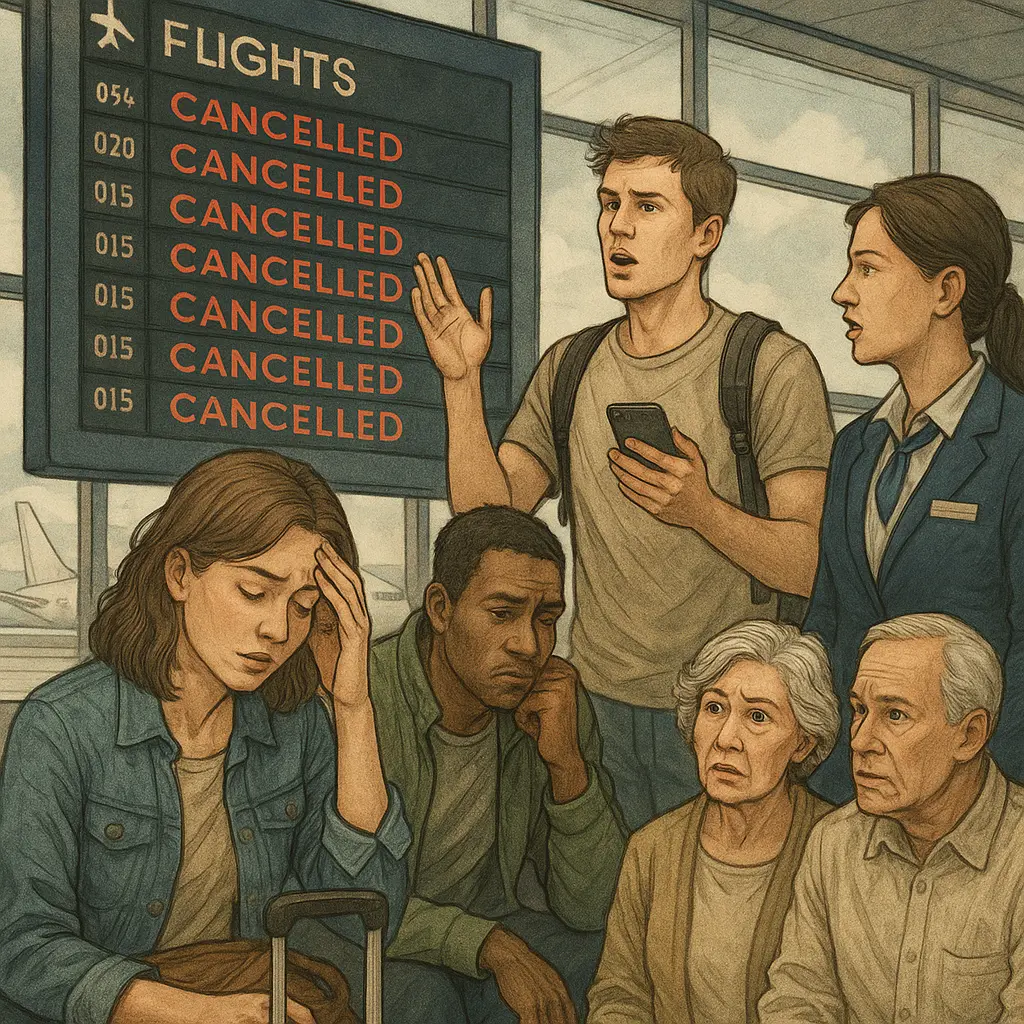
One notable area of difference is response time. A study by the International Air Transport Association (IATA) found that low-cost services often take an average of 24 hours to respond to customer inquiries via email, while full-service airlines respond within 6 hours. This faster response can make a significant difference in stressful situations such as flight cancellations or changes.
Additionally, the availability of customer support channels varies significantly. According to a 2024 survey by Statista:
| Carrier Type | Email Support | Phone Support | Live Chat | Social Media |
|---|---|---|---|---|
| Low-Cost | 65% | 30% | 10% | 50% |
| Established | 90% | 85% | 40% | 70% |
Training programs for customer service staff also typically differ. Companies focused on competitive pricing may prioritize cost-cutting over extensive training. A 2024 report by Employee Engagement in Travel indicated that only 40% of low-cost companies reviewed their support staff’s training processes annually, compared to 75% for larger organizations.
Complaint resolution time varies considerably, affecting overall customer satisfaction. According to the Airline Reporting Corporation, established services resolve approximately 80% of complaints within 7 days, while low-cost alternatives manage only about 55% in the same period.
In conclusion, the variance in support quality is significant. Consideration of these factors can play a crucial role in selecting an air travel provider.
What Are the Inclusions in Traditional Airline Tickets?
Traditional airline tickets typically encompass a variety of amenities that enhance the passenger experience. Key inclusions often comprise:
- Checked Baggage: Most conventional carriers allow at least one piece of checked luggage up to 23 kg (50 lbs), with some offering higher limits based on fare class. According to the International Air Transport Association, 75% of premium fare tickets include this service.
- Meals and Beverages: Complimentary meals are common on longer flights. For instance, airlines like Delta and British Airways serve meals on transcontinental and intercontinental routes, with 82% of surveyed travelers expressing satisfaction with onboard dining options.
- Seat Selection: Passengers usually benefit from the ability to select their seats in advance without an additional fee. A survey by Skytrax reported that 68% of passengers prefer this option to ensure comfort during their flight.
- Frequent Flyer Miles: Many airlines provide the opportunity to accumulate reward points on flights, which can be redeemed for future travel. In 2024, 37 million passengers registered an increase in loyalty program participation.
- In-Flight Entertainment: Traditional services generally include access to a selection of movies, music, and games, particularly on long-haul flights. A recent study indicated that 72% of passengers consider entertainment options a significant factor in their travel satisfaction.
- Priority Boarding: Higher class tickets often grant priority boarding privileges, reducing waiting time and enhancing convenience. Approximately 54% of premium cabin passengers reported benefits from this service.
Understanding these inclusions enables travelers to make informed choices that align with their preferences and financial planning.
How Do Frequent Flyer Programs Impact Overall Costs?
Frequent flyer initiatives significantly alter travel expenses by incentivizing customer loyalty through rewards. For instance, a 2019 study revealed that passengers who engage in these programs can save as much as 20% on annual travel expenses by accumulating points or miles. These can be redeemed for free flights or upgrades, decreasing the average fare per trip.
In addition, travelers often gain access to exclusive promotions and discounts. According to the Airline Reporting Corporation, loyalty program members spent 30% more on airlines that offer these rewards compared to non-members, highlighting a correlation between program participation and increased savings on ancillary services, such as baggage and priority boarding.
Furthermore, frequent flyer schemes typically feature tier-based systems. A report from the International Air Transport Association indicated that elite status members benefit from premium services, which can lead to substantial savings. For example, an upgrade to business class can result in an average savings of $500 per round trip, while complimentary amenities like lounge access can lead to decreased airport expenses.
Additionally, an analysis of passenger behavior showed that 75% of those enrolled in these programs preferred to book with airlines directly, often resulting in lower fare classes. By doing so, they avoid third-party fees, further reducing their overall travel costs.
In summary, engaging in frequent flyer initiatives can yield significant financial benefits through rewards, exclusive offers, and reduced ancillary fees, leading to an advantageous impact on total travel expenditures.
Are Meals and Extras Worth the Price Difference?
Travelers should evaluate the tangible benefits of included meals and amenities in ticket pricing. Research indicates that meals on conventional flights can average $10 to $15, while purchasing multiple snacks can quickly run total expenses up to $30 or more on budget trips. If flying cross-country or internationally, allocating funds for at least one meal may enhance comfort and satisfaction.
Seat selection is another variable where costs can rise. For instance, opting for an extra legroom seat may add $25 to $100 depending on the route. However, the potential for more comfort may justify the additional expense, especially on long-haul trips.
Flight delays increase the necessity for food and services; 35% of travelers experience a delay. Thus, having access to complimentary meals and drinks can alleviate stress during unexpected circumstances. Meanwhile, 20% of travelers rated food quality and availability as a major factor in their flying choices. Prioritizing flights with inclusive meals may significantly enhance overall experience.
Environmental concerns also play a role; only 30% of budget operators have a recycling program or environmentally friendly meal options, while traditional sectors invest in sustainability. Choosing flights with responsible practices may add intrinsic value beyond immediate monetary costs.
For those considering flights, especially to paradise locations like the Caribbean, weighing the benefits of included amenities against potential separate expenses can lead to better choices. Check out flights to punta cana and flights to dominican republic for options that best suit individual preferences and priorities.








10 responses
Budget airlines all the way! They may not have all the fancy perks of traditional carriers, but they get you where you need to go for a fraction of the price. Gotta save that cash for more adventures, am I right?
Can someone tell me if budget airlines are really as bad as people say? I’m trying to plan a trip on a tight budget, but I don’t want to sacrifice too much comfort just to save a few bucks.
Traditional carriers are great for long-haul flights, but if you’re hopping around Europe or Asia, budget airlines are the way to go. You can score some crazy cheap tickets if you book in advance and don’t mind packing light.
I used to be all about traditional carriers, but recently I’ve been converted to budget airlines. The savings are just too good to pass up, and as long as you know what you’re getting into, they can be a great option.
Budget airlines are perfect for short trips within the country. Why pay more for a fancy meal and a bigger seat when all you need is a quick ride to your next destination? Plus, you can always bring your own snacks to save even more!
I prefer traditional carriers for long-haul flights. The extra legroom and complimentary meals make a world of difference when you’re stuck in a metal tube for hours on end. Plus, the service is usually top-notch.
As a travel enthusiast, I always prioritize budget airlines. I’d rather spend my money exploring new places than on a fancy meal or extra legroom. Plus, with a little planning, you can avoid most of the extra fees that budget airlines charge.
I’ve had some pretty bad experiences with budget airlines in the past, so I stick to traditional carriers now. I’d rather pay a little extra for peace of mind and better service.
Budget airlines are a no-go for me. The hidden fees and lack of customer service just ain’t worth the cheaper ticket price. I’d rather shell out a bit more for a smoother travel experience.
Travel agent here! It really depends on your priorities. If you’re looking to save money and don’t mind sacrificing some comfort, budget airlines can be a great choice. But if you value amenities and customer service, traditional carriers might be worth the extra cost.