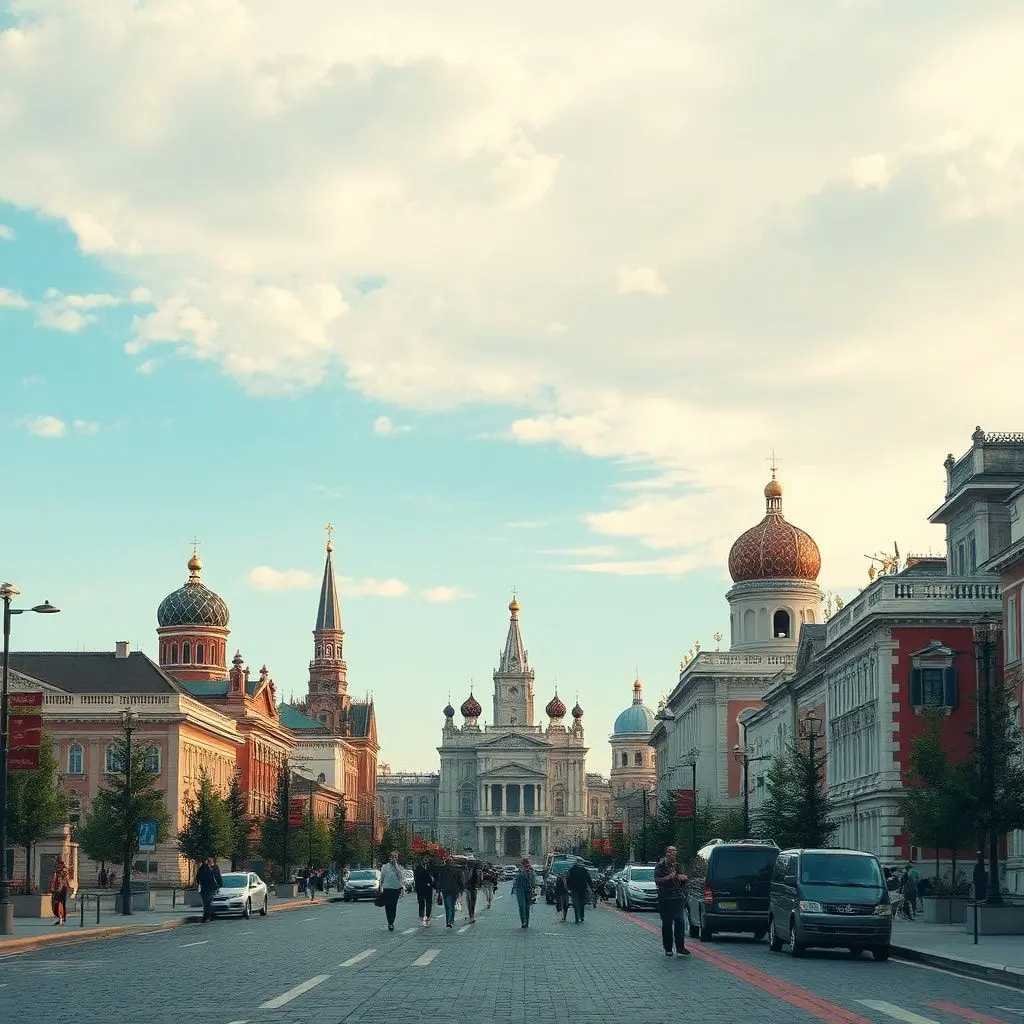
Begin your exploration with a visit to Moscow, where over 11 million residents drive the pulsating heart of the nation. This metropolis blends rich history and modernity. The Kremlin and Red Square attract approximately 20 million tourists annually, showcasing their historic architecture amid vibrant city life.
Next, make your way to Saint Petersburg, known for its cultural heritage. The city boasts over 2,000 historical sites, including the Hermitage Museum, which boasts a collection of over 3 million masterpieces. With a population nearing 5 million, this city ranks high in international visitor numbers, attracting around 10 million each year due to its stunning canals and imperial palaces.
Consider Kazan, a city that presents a unique blend of Tatar and Russian culture. Home to the Kremlin of Kazan, a UNESCO World Heritage Site, it hosted around 3 million tourists in 2019. With a diverse culinary scene, the city also stands out for its hospitable atmosphere, making it a worthwhile stop on your itinerary.
Don’t overlook Yekaterinburg, the gateway to the Ural Mountains. This city has a rich industrial history and serves as a cultural hub with over 40 museums. With approximately 1.5 million inhabitants, Yekaterinburg welcomed more than 2 million visitors last year, drawn by its fascinating attractions such as the Church on the Blood.
Lastly, explore Sochi, a resort city along the Black Sea coast, known for its subtropical climate. Hosting the 2014 Winter Olympics, Sochi attracts around 6 million vacationers annually, with activities ranging from beach relaxation to winter sports in the nearby mountains.
Moscow: The Heart of Russia
Moscow offers a remarkable combination of history, culture, and modernity. With over 12 million residents, it stands as one of the largest urban centers globally. Begin your exploration at the Kremlin, a UNESCO World Heritage site, housing the President’s official residence and the Assumption Cathedral, where coronations occurred. Nearly 3 million visitors each year contribute to its significance.
The iconic Red Square, adjacent to the Kremlin, draws approximately 25 million tourists annually. The square serves as the pulse of the city, marked by St. Basil’s Cathedral’s unique onion domes and the historical GUM department store, a destination for luxury shopping.
Art enthusiasts should not miss the Tretyakov Gallery, which showcases over 130,000 works of Russian art, including masterpieces by Repin and Levitan. This institution ranks among the world’s finest, with around 1 million visits each year, reflecting the nation’s artistic heritage.
Moscow’s nightlife is equally impressive, with over 500 entertainment venues ranging from opulent clubs to intimate bars. The city attracts international DJs and renowned artists, making it a hub for after-hours activities. For those seeking culinary experiences, over 470 Michelin-starred establishments offer a range of global cuisines, showcasing the city’s diverse food scene.
Transport options include the acclaimed Moscow Metro system, known for its ornate stations, which sees approximately 9 million rides daily. For a unique experience, consider a ride on the historic ‘Red Arrow’ train to St. Petersburg, a journey that bridges two major cultural capitals.
Attending a performance at the Bolshoi Theatre, with a history dating back to 1776, remains a must. With nearly 300,000 attendees per season, it presents ballet and opera of international repute. For outdoor enthusiasts, Gorky Park offers a blend of recreational activities and cultural events, averaging around 5 million visitors each year.
Moscow is not just a city; it is a living entity, rich in experiences and opportunities for exploration. Every corner tells a story, embodying the spirit of a nation. Dive into its labyrinthine avenues, savor its culinary delights, and immerse yourself in its historical narratives.
Historical Landmarks to Explore
The Kremlin in Moscow is an iconic complex that dates back to the 2nd millennium, showcasing unique architecture and housing significant government institutions. Its UNESCO World Heritage status offers a glimpse into Russia’s rich history, with structures like the Ivan the Great Bell Tower and the Grand Kremlin Palace drawing over 3 million visitors annually.
St. Petersburg’s Peter and Paul Fortress is a must-see, constructed in 1703. It forms the birthplace of the city, featuring the stunning St. Peter and Paul Cathedral, where the remains of Russian emperors are interred. The fortress attracts approximately 1 million tourists each year, seeking to understand its historical context and architectural significance.
The Golden Ring route features ancient towns such as Vladimir and Suzdal, where the Cathedral of Saint Dmitri, built in the 12th century, exemplifies early Russian architecture. Attracting around 500,000 visitors per year, this area is rich in picturesque landscapes and medieval churches, providing an insight into the country’s past.
Kazan’s Kul Sharif Mosque, an architectural marvel completed in 2005, reflects the cultural blend of Tatar and Russian legacies. It is the largest mosque in Europe, drawing over 1 million visitors annually who are keen to explore its stunning interiors and historical significance.
The historic city of Yaroslavl, part of the Golden Ring, is renowned for its Volga embankment and the Spaso-Preobrazhensky Monastery, a UNESCO World Heritage site. Each year, approximately 300,000 tourists visit to admire the intricate frescoes and celebrate the city’s role in Russian history.
Novgorod the Great boasts the Kremlin with its impressive St. Sophia Cathedral, dating back to the 11th century. This site, with around 700,000 visitors a year, integrates history and nature beautifully, making it a revered place for understanding early Russian civilization.
Luxury Accommodations in the City
For an exceptional experience in town, consider these high-end hotels that embody sophistication and comfort:
- The Ritz-Carlton – Located in the city center, this hotel offers stunning views and elegantly designed rooms. Guests enjoy the exclusive spa and gourmet dining options.
- Four Seasons Hotel – Known for impeccable service, this accommodation features luxurious amenities including an indoor pool, fine dining, and spacious suites equipped with modern conveniences.
- Hotel National – This historic hotel provides a blend of classic charm and contemporary comforts, situated near major attractions. Ideal for those seeking both luxury and tradition.
- St. Regis – Renowned for its butler service, St. Regis offers a lavish stay with exquisite rooms, opulent decor, and a prime location for exploring the city’s culture.
Traveling from various locations? Consider booking australian cheap flights or explore options with singapore airlines cheap flights for affordable luxury travel. The right accommodations combined with convenient travel options make for an unforgettable experience.
It’s important to check for seasonal promotions, as many hotels offer exclusive packages that include dining experiences or spa treatments, enhancing your lavish stay.
Gastronomic Experiences in Fine Dining
For an exquisite culinary journey, consider dining at White Rabbit in Moscow, which consistently ranks among the best restaurants globally. With a focus on modern Russian cuisine, the establishment features a remarkable tasting menu that showcases seasonal ingredients. Choosing a multi-course experience here promises to tantalize the palate with innovative interpretations of traditional dishes, complemented by an impressive selection of local wines.
Another remarkable option is Symphony in Saint Petersburg. This establishment has been awarded high accolades for its commitment to sustainability and high-quality gastronomy. Their menu is crafted around the farm-to-table philosophy, highlighting the freshest produce from local farms. Enthusiasts can indulge in carefully curated tasting menus, with each dish masterfully paired with artisanal beverages for an unforgettable experience.
Consider also Beluga, situated on the banks of the Volga River in Nizhny Novgorod, where diners can enjoy a luxurious ambiance alongside meticulously prepared dishes. Specializing in contemporary Russian cuisine, the restaurant’s chef emphasizes techniques that enhance the natural flavors of ingredients. Signature offerings include locally sourced caviar and game meat, providing a rich homage to Russian heritage.
For an upscale alternative in Kazan, Al-Jawhara has received accolades for its uighur-inspired dishes. Here, guests can experience a fusion of flavors that reflects the rich cultural tapestry of the region. The restaurant’s chef utilizes traditional recipes while incorporating a modern twist, ensuring a delightful dining experience.
When planning these gastronomic experiences, make your reservations well in advance, as these establishments often fill quickly, especially during peak seasons. Plus, if your travels take you further to culinary destinations like flights to barcelona spain 2025, exploring the rich offerings of Spain’s culinary scene could add to your remarkable culinary portfolio.
Statistics show that fine dining experiences have become increasingly popular, with a reported growth of 20% in revenues for Michelin-starred restaurants globally over the past five years. This surge points to a growing appreciation for high-quality, memorable food experiences that are well worth the investment.
Transportation Options from the Airport
Upon landing, travelers have various transportation choices to reach their destinations. The following options are typically available:
- Airport Shuttles: Most major airports offer shuttle services that provide affordable transportation to central areas and hotels. These shuttles operate frequently, and prices range from 300 to 1000 rubles depending on the distance.
- Taxis: Licensed taxis are readily available outside terminals. Standard fares start at around 300 rubles, with additional charges for distance. Consider using ride-hailing apps like Yandex.Taxi or Uber for accurate pricing and convenience.
- Public Transport: Many airports provide connections via buses or metro systems. For example, Sheremetyevo offers a direct bus to the metro station for about 100 rubles. This option is cost-effective but may require additional transfers.
- Car Rentals: Several international and local car rental companies operate on-site. Prices can vary, with compact cars starting around 1500 rubles per day. Booking in advance can yield better rates.
- Private Transfers: Pre-arranged private transfers can be booked online. This service typically costs between 1500 and 4000 rubles, depending on the vehicle and destination.
It’s advisable to check the availability of these options specifically for the airport of arrival to make informed decisions based on convenience and budget.
Saint Petersburg: The Cultural Gem
For art aficionados and history enthusiasts, Saint Petersburg ranks high on the itinerary. Renowned for its rich heritage, this city boasts over 200 museums, including the world-famous Hermitage Museum, which sees approximately 4.5 million visitors annually. The collection features more than 3 million items, ensuring that even the most discerning visitor finds something remarkable.
The architectural prowess of Saint Petersburg is unmatched, with around 1,800 officially recognized historical monuments. Notable structures include the Peterhof Palace, known for its stunning gardens and fountains, attracting about 3 million tourists each year. Be sure to visit during the summer months when the fountains are fully operational.
Culinary experiences in Saint Petersburg are vast and varied. The local cuisine is celebrated, highlighted by dishes such as Beef Stroganoff and Pelmeni. The city’s restaurants, which range from quaint cafes to luxurious dining establishments, receive high praise. For an authentic experience, try one of the many establishments that source fresh, local ingredients, such as the acclaimed White Nights restaurant.
Public spaces, like the sprawling Palace Square, serve as hubs for cultural events and festivals. The annual Scarlet Sails celebration draws approximately 1 million visitors, making it a significant event on the city’s calendar. Visitors can enjoy the fireworks and fairy-tale ships, creating an enchanting atmosphere that captures the essence of this historic locale.
Saint Petersburg’s commitment to preserving its cultural identity is reflected in its annual budget allocation of over 3 billion rubles for the restoration and maintenance of historic sites. This investment ensures that future generations can appreciate the architectural and artistic wonders that define this captivating city.
Important Museums You Should Visit
The State Hermitage Museum in Saint Petersburg houses over 3 million items, including masterpieces by Leonardo da Vinci and Rembrandt. This institution is one of the largest and oldest museums in the world, attracting approximately 4 million visitors annually.
Moscow’s State Tretyakov Gallery, showcasing over 130,000 works of Russian fine art, ranks second in popularity. It covers a timeline from the 11th to the 20th century and receives around 1.5 million guests each year.
The Russian Museum in Saint Petersburg focuses on Russian art, with around 400,000 exhibits. Known for its extensive collection of paintings, sculptures, and graphics, it sees up to 1 million visitors annually.
For a modern twist, visit the Garage Museum of Contemporary Art in Moscow. Opened in 2014, it has quickly become a hub for contemporary culture, recording more than 300,000 visitors in its first year alone.
Don’t overlook the Central Museum of Armed Forces in Moscow, which displays a rich collection of military exhibits, receiving around 600,000 visitors per year. Its fascinating aspects include interactive displays and historical artifacts.
While planning your trip, consider finding cheap flights to dominican republic if you’re also looking to explore art beyond Russian borders. This will allow you to experience various cultures and their unique artistic expressions.
These cultural landmarks offer valuable insight into the artistic heritage and historical significance of their respective regions. Be sure to include them in your travel itinerary.
Spectacular Architecture Highlights
Familiarize yourself with Saint Petersburg’s Winter Palace, an exemplary baroque structure, housing the Hermitage Museum. This monumental edifice comprises over 1,500 rooms, showcasing impressive collections of art and culture. The palace attracts approximately 4 million visitors annually, underlining its status as a significant landmark.
In Kazan, the Kazan Kremlin presents a stunning juxtaposition of Islamic and Russian architectural styles. This UNESCO World Heritage site features the iconic Qol Sharif Mosque and the historic Soyembika Tower, captivating architecture enthusiasts and drawing over 1.5 million tourists each year.
Moscow’s Saint Basil’s Cathedral stands as an iconic symbol of this vibrant metropolis. Its unique onion-shaped domes reflect a variety of colors and patterns, reminiscent of fairy tales. The structure, built in the 16th century, draws roughly 70 million visitors annually, highlighting its enduring appeal.
Vladivostok’s golden horn bridge exemplifies modern engineering with its striking cable-stayed design. Spanning 1,885 meters, it connects Russky Island to the mainland, promoting regional development and enticing visitors with its panoramic views of the surrounding landscape.
Yekaterinburg’s Church on the Blood, constructed on the site of the Romanov family’s execution, merges historical significance with remarkable architecture. Completed in 2003, this church features exquisite mosaics and attracts nearly 1 million pilgrims and visitors per year, marking it as one of the city’s key attractions.
Nizhny Novgorod’s historic Kremlin boasts well-preserved stone walls and towers, dating back to the 16th century. Recognized for its unique earthen fortifications, it draws upwards of 2 million tourists annually, who marvel at its rich history and breathtaking views of the confluence of the Volga and Oka rivers.
Best Neighborhoods for First-Class Travelers
Choosing upscale areas enhances the experience significantly. Here are recommended neighborhoods with outstanding offerings:
-
Central District (Tsentralny):
Home to major attractions like the Hermitage Museum and Winter Palace, luxury hotels dominate this area. Visitors appreciate fine dining establishments, exclusive boutiques, and proximity to cultural sites. The average price for five-star accommodations is around $250 per night.
-
Arbat District:
This historic area boasts elegant architecture and a rich artistic heritage. Notable for its pedestrian street, it features high-end shopping and gourmet eateries. Prices for premium lodging range from $200 to $400 per night.
-
Historical Center:
Famous for its picturesque squares and scenic riverside views. Luxury apartments and boutique hotels provide a unique stay. The average cost per night is approximately $300, with many amenities tailored for discerning travelers.
-
Vasilievsky Island:
An upscale neighborhood with a tranquil atmosphere, offering stunning river views. It’s a haven for art galleries and high-end restaurants. Nightly rates in luxury accommodations vary between $250 and $450.
-
Petrogradsky District:
A blend of modernity and classic charm, featuring park areas and gourmet markets. Known for its quality dining options, average prices for a night in a luxury hotel range from $200 to $350.
Opt for these neighborhoods to enjoy lavish amenities, top-tier services, and convenience to major attractions. Each offers a unique ambiance, catering to refined tastes.
Seasonal Events for Cultural Enthusiasts
Experience the magic of cultural festivities by planning your itinerary around significant seasonal events. From theatrical performances to art exhibitions, notable events abound across the regions.
For instance, the Golden Mask Festival, held annually in Moscow from March to April, celebrates Russian theater. Featuring over 45 performances, this event showcases the best of dramatic arts, attracting around 30,000 visitors each year.
In St. Petersburg, the White Nights Festival, occurring from late May to mid-July, features a wide array of cultural events, including ballet, opera, and music concerts. The majestic backdrop of the city enhances the experience, drawing nearly 800,000 participants during the season.
For a unique experience, consider the Vladivostok International Film Festival of Pacific Documentaries, typically held in September. This event highlights documentary films focusing on the Asia-Pacific region, catering to about 10,000 film enthusiasts.
The following table outlines key cultural events worth attending throughout the year:
| Event | Location | Month | Participants |
|---|---|---|---|
| Golden Mask Festival | Moscow | March-April | ~30,000 |
| White Nights Festival | St. Petersburg | May-July | ~800,000 |
| Vladivostok International Film Festival | Vladivostok | September | ~10,000 |
| Yekaterinburg Jazz Festival | Yekaterinburg | October | ~5,000 |
| Irkutsk International Jazz Festival | Irkutsk | August | ~15,000 |
Be sure to explore the local traditions and immerse yourself in the artistic expressions that define each destination. These events not only enrich your travel experience but also connect you with the local culture and heritage.
Tips on Navigating the City with Ease
Utilize public transportation, such as the metro, which serves over 9 million passengers daily and boasts efficiency with trains arriving every 90 seconds during peak hours. Most urban transport systems offer multilingual signage, simplifying navigation for English speakers.
Consider acquiring a transport card, which often reduces fares by up to 30% compared to single tickets. City passes also provide unlimited travel over a designated period, which is beneficial for extensive exploration.
Employ mapping apps for real-time information. These applications provide not just route options but also estimated travel times, allowing for better planning. Many also include user-generated updates on service disruptions.
Another option is to use rideshare services, popular in metropolitan areas. These platforms can be more convenient when traveling during off-peak hours or to less accessible destinations.
For local knowledge, join guided tours that use public transport, merging sightseeing with effective navigation strategies. This can enhance your understanding of specific routes while providing historical context.
Lastly, download offline maps before arrival. They can be invaluable in areas with limited internet access. Always stay aware of your surroundings and local customs for a smoother experience.
For those looking to explore beyond, check flights to argentina for exciting opportunities to extend travel plans.