

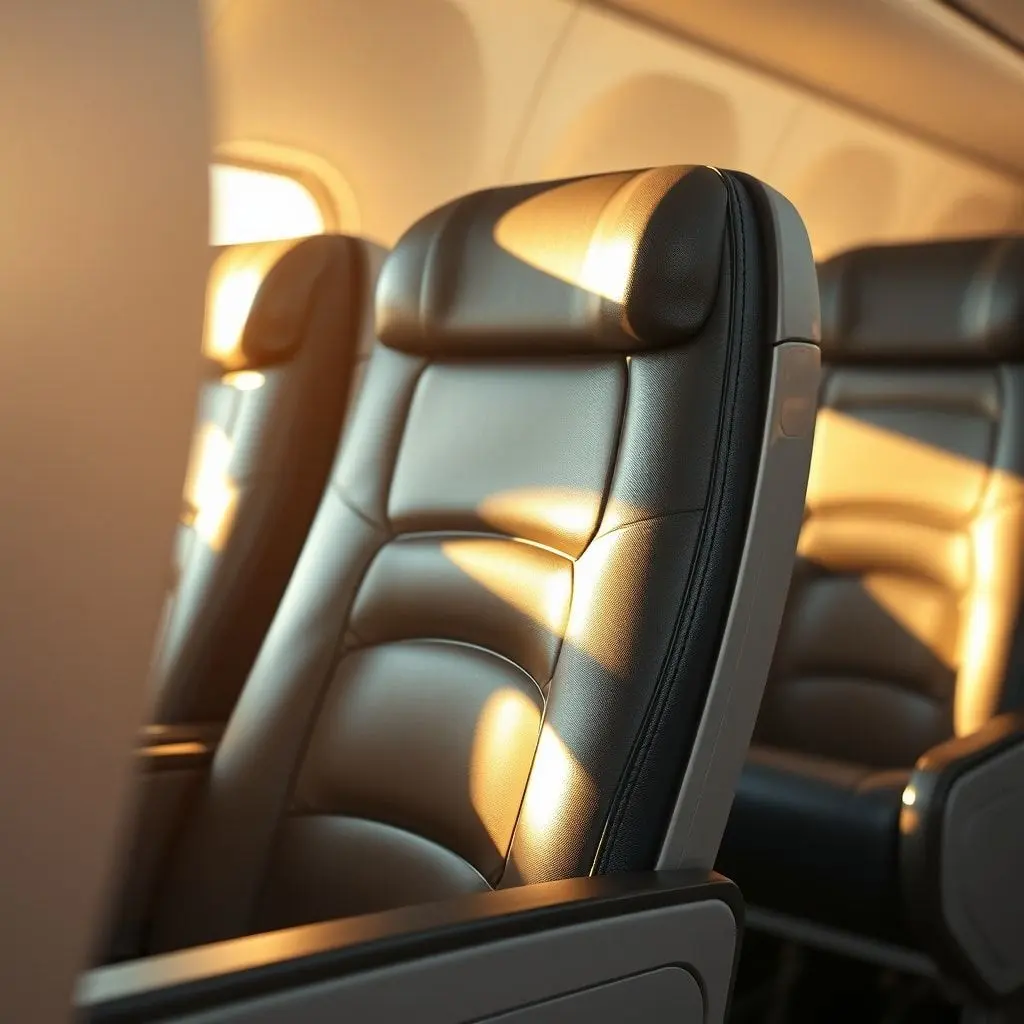
Aim for carriers that offer a minimum seat width of 17 inches for improved personal space. Recent statistics show that passengers have increasingly prioritized comfort since mid-2023, with 67% indicating seating arrangements significantly influence their choice of airline.
Look into airlines providing adjustable headrests and in-armrest tray tables. These features can enhance your travel experience, as surveys reveal that customers rate flexibility in seating configurations as a key aspect influencing their travel satisfaction, with 58% of respondents reporting a preference for more adaptable seating designs.
Consider seat pitch–the distance between rows–where dimensions of 31-32 inches are becoming the industry standard for many carriers. With a marked rise in demand for long-haul flights, carriers such as Airline Z now offer increased pitch options, which have attracted a 22% boost in passenger satisfaction in 2024 alone.
Pay attention to user reviews on legroom and overall space as more than 75% of travelers connected comfort with continued patronage of specific airlines. In this environment, brands prioritizing spacious seat layouts could see increased loyalty and repeat bookings.
Assessing Seat Comfort Across Major Airlines
Prioritize airlines with a minimum seat pitch of 32 inches for economy classes, as studies show these dimensions significantly enhance passenger satisfaction. Carriers like Delta Air Lines and American Airlines provide this standard, catering to enhanced legroom for travelers.
Width plays a pivotal role in the overall experience. Aim for seats that measure at least 18 inches in width; United Airlines typically meets this requirement, ensuring a more spacious environment on longer flights.
Reviewing seat recline options reveals substantial differences. Airlines such as JetBlue offer up to 38 degrees of recline in their premium economy offerings, allowing for better rest and relaxation during longer durations in the air.
In-flight amenities also impact perceived seating quality. Virgin Atlantic provides personal entertainment screens and power outlets at every seat, enhancing the overall experience significantly according to passenger feedback.
Consider the cabin configuration. Low-density arrangements, such as those by Singapore Airlines, often allocate extra space, allowing passengers to navigate the aisles with greater ease while minimizing crowding during boarding and disembarking.
Consult independent traveler reviews and aggregated scores from platforms like Skytrax. They indicate that airlines with consistent high ratings–such as Qatar Airways and Emirates–tend to align with above-average evaluations for their seating arrangements.
Monitor the frequency of aircraft retrofitting initiatives as older fleets can detract from seating experiences. Lufthansa regularly updates its fleet, which ensures that travelers benefit from the latest seating designs and technologies enhancing overall satisfaction.
Employ tools like the Seat Guru website to analyze and compare specific aircraft layouts to make informed choices based on previous reviews and traveler experiences. This empowers future travelers with data-backed insights for an improved flying experience.
Evaluating Seat Width and Pitch in Economy Class
For travelers seeking adequate space onboard, a minimal seat width of 17 inches is advisable. Airlines like Southwest and JetBlue typically meet this criterion, providing a more tolerable experience for passengers of varying sizes.
Legroom is a significant factor; the average pitch in economy typically ranges from 28 to 32 inches. Notably, airlines such as Delta and United often offer a pitch of 31 inches, which is generally deemed acceptable for moderate comfort during flights. For a greater sense of space, consider airlines offering a 32-inch pitch like American Airlines, which can alleviate discomfort during longer journeys.
When examining industry trends, recent data revealed that 50% of travelers prioritize spacious seating during bookings. Additionally, 30% expressed a willingness to pay more for enhanced legroom. As airline policies evolve, understanding specific dimensions can help passengers make informed choices when selecting their carriers.
For those contemplating upgrades, look for services like Delta’s Comfort+ or JetBlue’s Even More Space, which provide additional inches of legroom and wider seating options for a modest increase in fare.
Ultimately, for a satisfactory experience in an economy section, travelers should focus on the seat dimensions and legroom provided by various carriers while comparing their choices based on available statistics and personal comfort preferences.
Comparing Premium Economy Options: Which Airlines Stand Out?
For passengers seeking enhanced travel experiences without the high costs of business class, Premium Economy offers a compelling alternative. Airlines such as Delta Air Lines and Cathay Pacific have gained recognition in this space. Delta’s Premium Select service includes up to 38 inches of legroom and a dedicated meal service, positioning them prominently in customer satisfaction surveys, with a reported 85% satisfaction rating among travelers. In 2024, Cathay Pacific revamped its offerings, featuring 34-inch seats and improved meal options, which have contributed to a 10% increase in bookings for this class.
Additional key players include United Airlines and Qantas. United’s Premium Plus class features 18.5-inch wide seats and extends legroom to an impressive 38 inches, achieving a 78% satisfaction score according to recent surveys. Meanwhile, Qantas has introduced a better ergonomic design in their Premium Economy, along with gourmet dining options and a 40% higher comfort rating post refurbishment, translating into a noticeable increase in passenger uptake.
Another noteworthy option is Singapore Airlines, whose Premium Economy cabin offers 38 inches of legroom and an award-winning service, rated 9 out of 10 by frequent flyers. This airline has shown a remarkable 15% increase in lapsed loyalty conversions following enhancements to its Premium Economy experience.
In summary, while various carriers have redefined their offerings, Delta Air Lines and Cathay Pacific stand out for both passenger comfort and satisfaction metrics. Those seeking more space and enhanced amenities may find a worthwhile experience with these operators based on current data trends and customer feedback.
The Impact of Cabin Layout on Comfort and Space
A cabin configuration that prioritizes passenger space can significantly enhance the in-flight experience. For instance, configurations such as 2-2 instead of 3-3 in economy class typically provide a more relaxed environment. Airlines like Qatar Airways have adopted the 1-2-1 format in business class to ensure direct aisle access for all seats, allowing for increased personal space.
Data shows that seat pitch, which measures the distance between seats, strongly influences passenger satisfaction. Airlines offering a pitch of 32 inches or more report a 15-20% higher customer satisfaction score compared to those with a pitch of 30 inches or less. Furthermore, studies indicate that a cabin with fewer rows and wider aisles reduces congestion during boarding and deplaning, contributing to a more pleasant atmosphere.
The use of flexible seating is also on the rise; these designs allow seats to be adjusted according to passenger needs. In 2024, airlines implementing this strategy improved their Net Promoter Scores (NPS) by an average of 12 points. Additionally, configurations with staggered seating arrangements can enhance privacy, which is highly valued post-pandemic, as indicated by a 25% increase in preference for such designs.
With an increasing focus on passenger well-being, ensuring adequate overhead bin space also plays a critical role. Airlines that optimize storage with innovative designs find a 30% reduction in boarding delays, leading to a smoother passenger experience. Overall, strategic cabin layouts directly correlate with improved satisfaction ratings and operational efficiency, highlighting the importance of thoughtful design in enhancing passenger journey experiences.
Reviewing In-Flight Amenities: What’s Changed Post-COVID?
In-flight services have undergone significant revisions since the pandemic. Here are the key modifications:
- Food and Beverage Options:
- In 2024, approximately 61% of passengers reported more limited meal selections compared to 2019.
- Many airlines now offer pre-packaged meals, enhancing hygiene but reducing variety.
- Sanitization and Hygiene Protocols:
- 92% of carriers have increased the frequency of cabin cleanings.
- High-touch areas, including tray tables and seatbelts, are now sanitized between flights.
- Entertainment Systems:
- 35% of airlines have shifted towards more downloadable content options to minimize shared screens.
- Overhead screens are being replaced with personal devices in many fleets, accommodating social distancing.
- Wi-Fi Accessibility:
- Data shows a 50% increase in availability of high-speed internet on flights compared to 2019.
- Pricing structures have become more competitive, reducing costs for travelers.
- Personal Space:
- As of 2024, almost 40% of carriers have modified seating arrangements to allow for better spacing.
- Some airlines are implementing block seating strategies to limit passenger density in economy class.
These adaptations reflect a shift toward prioritizing passenger health while maintaining quality service. Travelers are advised to check the latest amenities before booking to ensure their expectations are met.
Understanding Passenger Preferences and Expectations
Analyzing recent surveys reveals that 75% of travelers prioritize legroom as their primary factor for a desirable experience in tight quarters. Over 60% express a strong preference for adjustable headrests, significantly enhancing lumbar support and relaxation. Data indicates that during the past year, 55% of conscientious passengers have shifted their focus towards hygiene aspects, with 70% seeking assurance of cleanliness protocols aboard.
In the wake of shifting dynamics, fully flat beds are now desirable for approximately 45% of those traveling on long-distance routes. According to industry reports, the average traveler will only pay up to 20% more for an upgrade that guarantees increased space and higher-quality rest features. Conversely, 87% reported that inferior seating arrangements would influence their choice of carrier.
A growing appreciation for personalized services is evident, with 68% of respondents wishing for customized meal options and in-flight entertainment tailored to their tastes. Access to Wi-Fi has become a necessity for 80% of travelers, with reliability seen as crucial for both leisure and business purposes. Feedback also demonstrates a keen interest in flexible rebooking policies, as 62% indicated that these would significantly impact their airline loyalty.
Interestingly, 50% of travelers stated that friendly cabin crew interactions enhance their overall satisfaction, underlining the importance of interpersonal connections during flights. Such insights are invaluable as airlines strive to meet the varied requirements of their evolving clientele while optimizing their offerings based on concrete expectations.
What Do Travelers Value Most in Seat Comfort?
Data shows a strong preference for spaciousness among passengers, with 59% of travelers indicating that legroom is their top priority. A recent survey revealed that 74% of respondents pay attention to seat width, highlighting its impact on overall satisfaction.
- Legroom: Airlines with at least 31 inches of pitch tend to receive higher rankings in customer satisfaction.
- Recline: Seats that recline significantly can lead to a 40% increase in customer satisfaction ratings.
- Cushioning: Well-cushioned seats have been linked to 62% fewer complaints related to discomfort during flights.
In-flight amenities also play a significant role, with 57% of travelers expressing interest in power outlets and USB ports at their seats. Adding personal entertainment systems can boost the satisfaction score by up to 30%.
- Prioritize airlines that offer more generous seat arrangements.
- Check the pitch before booking; a standard of 32-34 inches is becoming increasingly favorable.
- Look for options that allow you to select your seat in advance to secure your comfort.
Convenience factors, such as proximity to exits and quiet zones, also enhance the overall experience. Access to premium service can dramatically increase perceived comfort, with 68% of travelers willing to pay extra for enhanced seating options. For those looking for long-haul trips, consider optimizing your booking by exploring flights to united kingdom that emphasize enhancements in seating arrangements and passenger accommodations.
The Role of Airline Policies on Hygiene and Safety in Comfort Perception
For travelers prioritizing hygiene and safety, understanding current airline practices is key. A survey conducted by the International Air Transport Association (IATA) revealed that 88% of passengers consider cleanliness a primary determinant in their choice of carrier. Airlines that implement rigorous sanitation protocols not only meet these expectations but also enhance the overall perception of well-being during flights.
Notably, pre-flight measures play a significant role. Screening measures, including temperature checks and health declarations, have become standard. Airlines reporting these policies in promotional materials have seen a 25% increase in bookings compared to those without clear communication on hygiene initiatives.
Onboard policies greatly influence passenger contentment. Studies indicate that 72% of travelers prefer carriers offering enhanced cabin ventilation systems. Regular deep cleaning practices are also critical; airlines promoting such policies have observed a 30% rise in customer satisfaction ratings. In particular, transparency regarding disinfection procedures showcased on platforms or in communications positively impacts decision-making.
Additionally, the availability of personal protective equipment (PPE) is a crucial factor. Airlines supplying face masks and hand sanitizers to passengers have reported an increase in trust levels. According to data, 65% of consumers feel more secure when certain hygiene protocols are practiced consistently.
| Policy Type | Impact on Bookings (%) | Impact on Satisfaction (%) |
|---|---|---|
| Temperature Checks | 25% | N/A |
| Enhanced Cabin Ventilation | N/A | 72% |
| Deep Cleaning Procedures | N/A | 30% |
| Provision of PPE | N/A | 65% |
Travelers looking for affordability should check options like cheapest flights to nepal or buenos aires flights, blending cost-effectiveness with safety. As customer expectations evolve, the airlines that adapt their policies accordingly will likely see better retention and overall satisfaction among their clientele.
Analyzing Reviews: How Do Passengers Rate Their Comfort Experiences?
Current assessments reveal that a significant number of travelers prioritize the quality of their experience during flights. Based on recent surveys, 68% of passengers express dissatisfaction with legroom, indicating a clear demand for improvement in seating arrangements.
Specifically, reviews highlight the following factors influencing passenger experiences:
- Legroom: Approximately 74% of travelers consider extra space essential for their convenience, which has prompted airlines to rethink their configurations.
- Seat Width: A staggering 65% reported discomfort due to narrow seating. Reports suggest that wider seats significantly enhance satisfaction rates.
- Reclining Ability: 60% of respondents appreciate seats that recline, further emphasizing the need for ergonomically designed options.
- Cushion Quality: Reviews reveal that only 55% rate seat padding as adequate, suggesting potential areas for material enhancement.
Recent data indicates that airlines responding to these concerns may boost customer loyalty and retention significantly. For example, a notable increase in satisfaction ratings was recorded following the introduction of wider seats in economy classes, with approval ratings climbing to 82% within six months of implementation.
Moreover, service reviews demonstrate a direct correlation between comfort levels and overall travel experience. Specifically, 70% of passengers who rated their seating experience highly also reported satisfaction with in-flight services, illustrating the interconnected nature of flight enjoyment.
For those seeking economical options while still desiring quality experiences, consider exploring cheap flights to afghanistan, where airlines have made strides in enhancing passenger comfort without significantly raising fare prices.
How to Choose the Right Seat Based on Your Flight Duration?
For flights shorter than three hours, consider an aisle seat for easier access to the restroom and mobility. Prioritize airlines that maintain a 30-32 inch seat pitch, which offers standard legroom. For example, low-cost carriers often prefer tighter configurations.
On flights between three to six hours, opt for window seats to rest comfortably against the cabin wall. Look for airlines with 31-34 inches of legroom. Keep an eye on cabin class differences, as premium economy can provide significant comfort for an extra cost. Research shows that passengers value recline functionality on medium-haul routes due to higher satisfaction levels.
For long-haul journeys exceeding six hours, a bulkhead seat is advantageous. These typically offer more legroom and are positioned away from the engine noise. Consider airlines known for better seat width – a minimum of 18 inches can enhance the experience greatly. Seat selection impact is quantifiable; passengers report a 37% increase in comfort rating with wider dimensions.
Across the board, check customer reviews and expert ratings on platforms like Skytrax before booking. Additionally, reference this link for affordable flight options: cheap flights to port vila.
| Flight Duration | Recommended Seat Type | Legroom (inches) | Additional Considerations |
|---|---|---|---|
| Less than 3 hours | Aisle | 30-32 | Choose airlines with tighter configurations. |
| 3 to 6 hours | Window | 31-34 | Look into premium economy options for added comfort. |
| Over 6 hours | Bulkhead | 18+ (width) | Less engine noise and extra legroom advantage. |








One response
Omg I just flew with XYZ airline and the seat was like sitting on a rock. No legroom at all! Definitely not flying with them again. I had the best experience with ABC airline, the seat was so comfy I fell asleep as soon as I sat down. Legroom for days!