It’s About More Than Just Courtesy
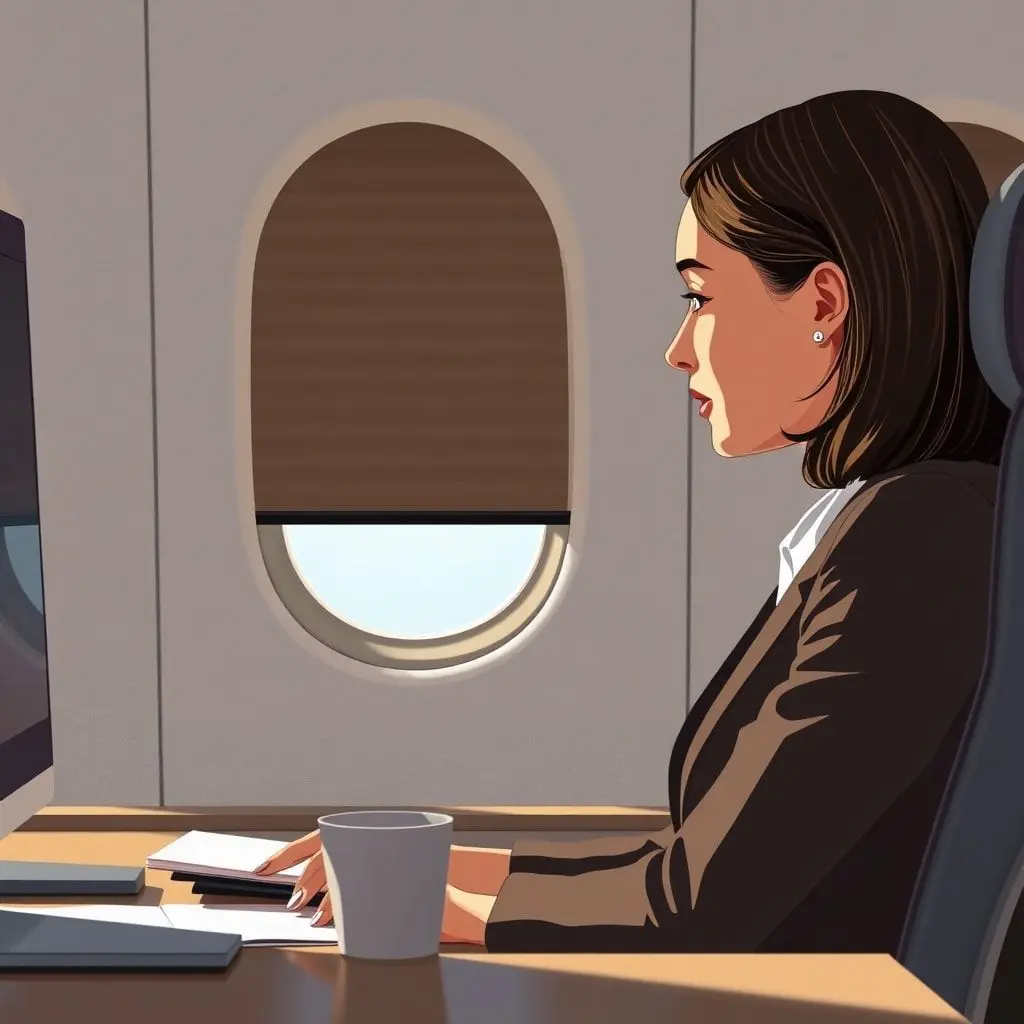
You might prefer to keep your window shade down to block the sun or sneak in a nap, but during takeoff and landing, flight attendants often insist you raise it. The reason isn’t comfort — it’s safety.
Key Points
- Window shades must be open during takeoff and landing — the most critical phases of flight.
- Open windows help passengers, crew, and first responders spot hazards outside.
- Natural light helps eyes adjust quickly in case of evacuation.
- Flight attendants have the final authority — ignoring them could even result in fines.
Most Accidents Happen at Takeoff and Landing
According to Boeing’s 2024 Statistical Summary:
- Takeoff and initial climb account for 10% of all fatal accidents.
- Landing makes up 37% of all fatal accidents — despite being only 1% of total flight time.
Why these phases are riskier:
- Aircraft are closer to the ground, leaving less time for pilots to react.
- Runways pose more obstacles — from vehicles and equipment to other planes and even animals.
- Pilots are busiest during takeoff and landing, juggling multiple tasks while managing weather and traffic.
Seeing — and Being Seen
“Window shades are kept up during takeoff and landing … to ensure situational awareness,” explains Rock Saddy, pilot and liaison for Cirrus Aviation Services.
Here’s why it matters:
- For passengers and crew: Natural light helps eyes adjust faster, giving people critical seconds in an emergency.
- For flight attendants and first responders: It allows them to check outside conditions — fire, debris, or water — before opening an exit.
Sometimes, staying on the plane is safer than evacuating. Open shades ensure the right decision is made.
Helping Eyes Adjust
There’s also a practical benefit for passengers.
“Keeping the shades open helps passengers with their eye acclimation prior to deplaning,” says Adam Cohen, a captain at SkyWest Airlines.
- During daytime flights, bright light prepares eyes for outside conditions.
- On night or early-morning flights, crews dim cabin lighting during takeoff and landing to keep vision adapted to darkness.
Who Really Controls the Shade?
Many travelers assume the window seat passenger “owns” the shade, but in reality, it’s up to the cabin crew.
- Etiquette may favor the person in the window seat.
- But FAA regulations make it clear: passengers must follow crew instructions at all times.
Failing to comply can result in civil penalties up to $13,910, according to the U.S. Department of Transportation.
Bottom Line
That simple request to raise your window shade isn’t about aesthetics — it’s a safety measure designed to protect everyone onboard. So next time a flight attendant asks, it’s worth remembering: open shades mean quicker reactions, better visibility, and safer outcomes if the unexpected happens.