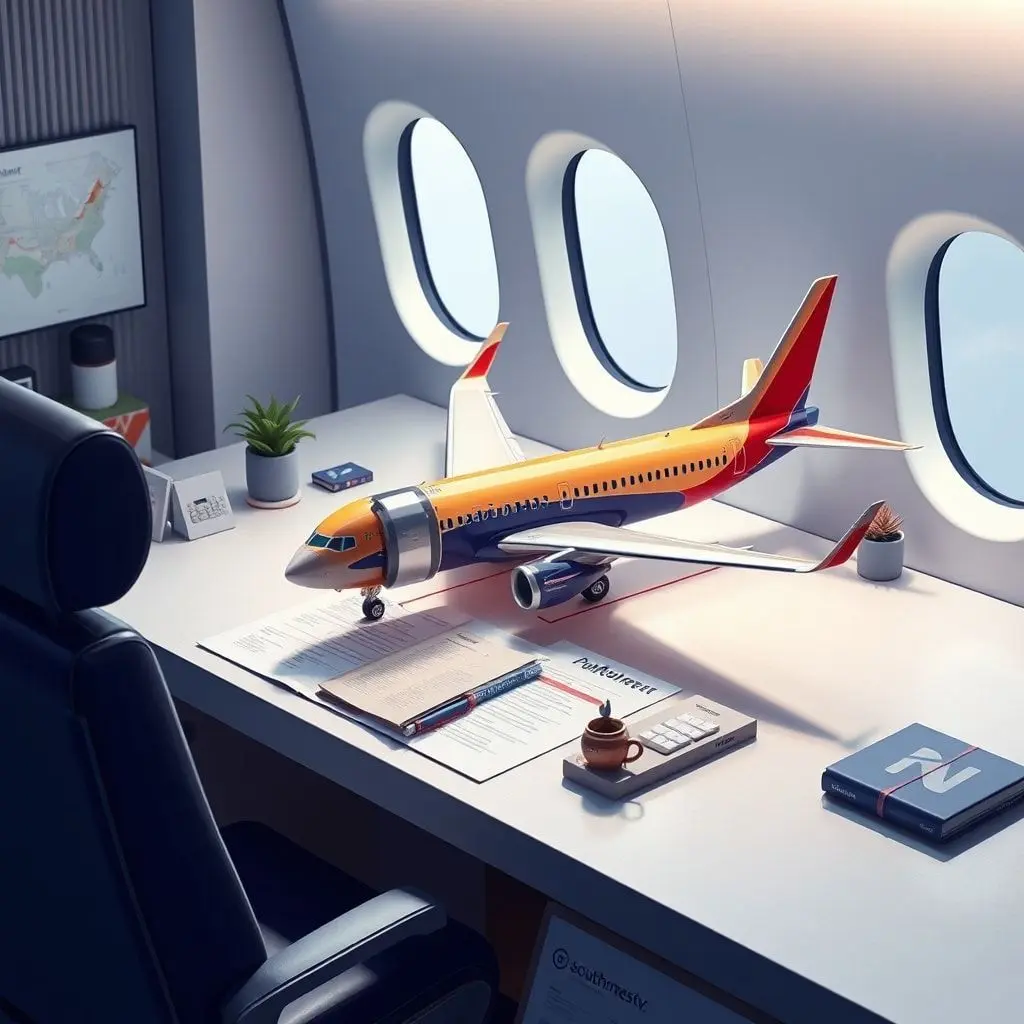
September 1, 2025 – Southwest Airlines has officially become one of the first U.S. carriers to fly with a secondary cockpit barrier, an added security feature designed to prevent intrusions when pilots step out of the flight deck.
The new safety measure, installed on a Boeing 737 MAX 8, went into service over the Labor Day weekend, nearly 24 years after the 9/11 terror attacks.
🔐 Why the Secondary Barrier Matters
The retractable, gate-like barrier closes off access to the cockpit whenever the main flight deck door is open, such as when a pilot exits to use the lavatory.
Southwest Airlines explained in a statement:
“For Southwest this was the right decision. We have a robust safety management system that takes a proactive approach when it comes to enhancing safety wherever possible.”
Before this innovation, flight attendants typically stood guard or used drink carts to block the aisle during these brief but vulnerable moments.
📜 FAA Regulations Driving the Change
- In 2023, the Federal Aviation Administration (FAA) mandated that Boeing and Airbus must begin delivering all new aircraft with secondary barriers.
- According to the final rule, the barrier must be deployed, closed, and locked whenever the cockpit door is opened in flight.
- Existing aircraft cannot be retrofitted, meaning only newly delivered planes will feature the safety gate.
While Southwest opted for immediate adoption, some U.S. airlines have taken advantage of a one-year FAA exemption, delaying implementation until July 2026.
✈️ A New Era of Flight Security
The addition of the cockpit barrier represents one of the most tangible changes in aviation safety since the September 11, 2001 attacks, when hijackers breached cockpits and commandeered four aircraft.
For passengers, the change may appear subtle, but it reflects a growing emphasis on proactive safety enhancements across the airline industry.
📌 Key Takeaways
- Southwest’s first aircraft with a secondary barrier entered service Labor Day weekend 2025.
- The barrier closes during cockpit access, preventing unauthorized entry.
- FAA rules require new aircraft deliveries from Boeing and Airbus to include barriers.
- Some airlines are waiting until July 2026, but Southwest has moved ahead.