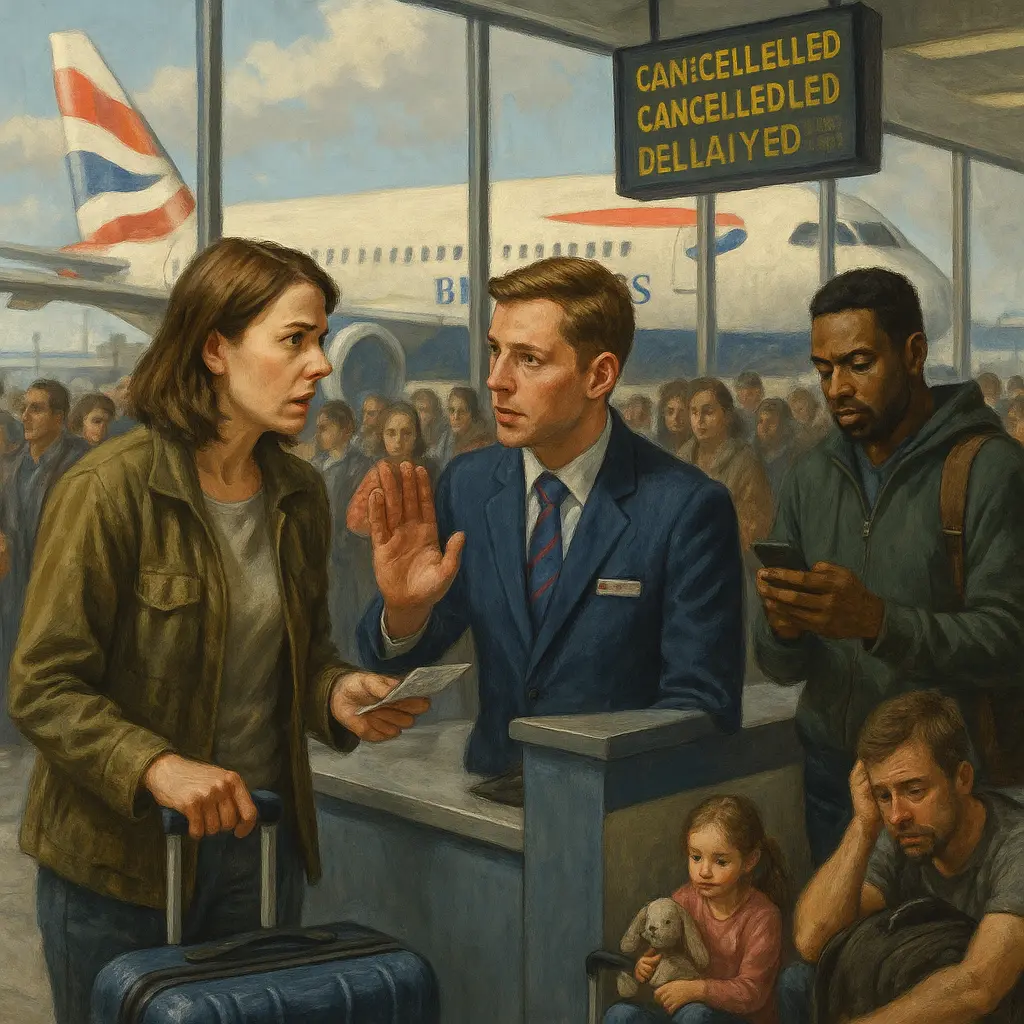
Understanding Flight Disruptions: A Case Study with British Airways
Traveling can sometimes be unpredictable, as seen with the recent incident involving a British Airways flight. This flight took off from Edinburgh but had to circle six times before returning safely to the airport. It highlights the importance of understanding flight disruptions and how they can impact your travel plans.
What Happened and Its Impact on Travel
The British Airways Flight 1443 took off from Edinburgh at 11 a.m. and was scheduled to land in London. However, just five minutes after take-off, the pilots reported a technical issue. The plane’s landing gear was stuck, prompting the flight to circle in a holding pattern near Stirling before returning to Edinburgh. After landing, passengers experienced further delays as the airport suspended operations.
Why Travelers Should Care
Such incidents can affect your travel plans significantly. Flights can be delayed or diverted, which can lead to missed connections and added stress. Understanding how to navigate these situations can help you make better travel decisions.
Types of Travelers Affected by Flight Disruptions
Different travelers may experience flight disruptions in various ways. Here are some examples:
- Business Travelers: Often on tight schedules, these travelers may miss important meetings or events due to delays.
- Vacationers: A delayed flight can cut into vacation time, especially if connecting flights are involved.
- Families: Traveling with children can add complexity to handling unexpected changes, such as needing to find accommodations.
- Solo Travelers: Might face additional challenges if they are unfamiliar with the area or need to navigate new arrangements alone.
Planning for Flight Disruptions
Travelers can take certain steps to prepare for potential flight disruptions. Here are some considerations:
- Check for updates: Always stay informed about your flight status through your airline’s app or website.
- Plan for delays: Allow extra time between connecting flights to reduce stress in case of delays.
- Have a backup plan: Know alternative routes or flights in case you need to change your travel plans unexpectedly.
- Stay flexible: Being open to changes can help you adapt quickly to new situations.
What to Consider When Booking Flights
When booking flights, it is crucial to think about the following:
- Timing: Flights during peak travel times may experience more delays.
- Airline reputation: Research airlines for their reliability and how they handle disruptions.
- Insurance: Consider travel insurance that covers cancellations and delays.
- Direct flights: Whenever possible, choose direct flights to minimize the risk of disruptions.
Expectations for Travelers After a Disruption
After a disruption, travelers should be prepared for certain outcomes:
- Longer wait times at the airport for rebooking or accommodations.
- Potential for lost luggage if the flight was diverted or canceled.
- Communication from airlines may vary, so be proactive in seeking information.
- Be patient with airline staff, who are often working hard to resolve issues.
“I never expected my flight to be delayed, but I learned to check my options quickly and stay calm.”
“After this experience, I will always give myself extra time for connections. You never know what can happen.”
Analytical Insights on Flight Demand and Availability
Flight disruptions can lead to increased demand for alternative flights, especially in busy airports. When an incident occurs, many travelers search for new routes or tickets, making it essential to book as early as possible. Understanding the peak travel times and the reputation of airlines can help you choose flights that are less likely to be affected by disruptions.
In summary, the recent incident with British Airways serves as a reminder of the challenges travelers may face. By planning ahead, staying informed, and remaining flexible, you can navigate the uncertainties of air travel more effectively.