Understanding Severe Turbulence and Its Impact on Travel Plans
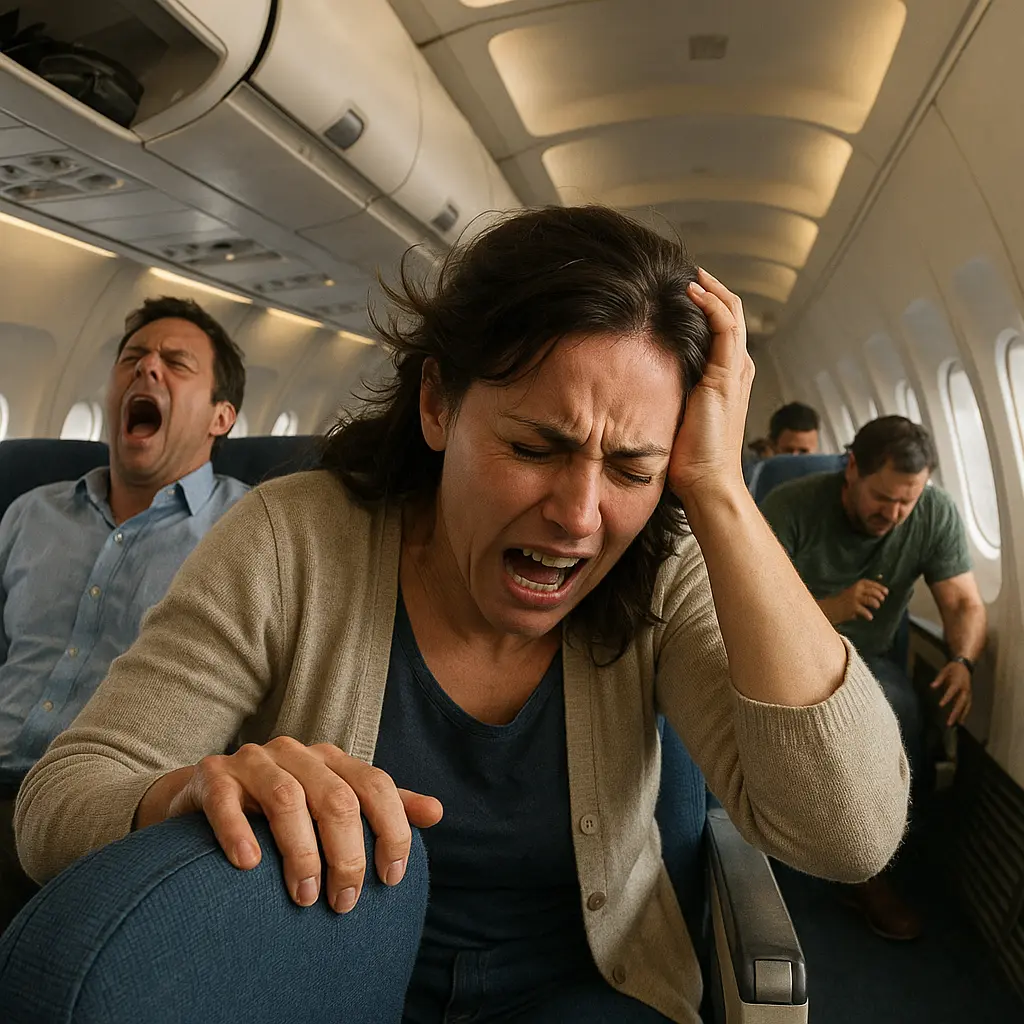
Recently, a Japan Airlines flight from San Francisco to Tokyo faced severe turbulence over the Pacific Ocean. This incident resulted in injuries among the cabin crew and has prompted an investigation by Japanese authorities. Travelers should pay attention to this event as it highlights important considerations when flying, especially on long-haul international flights.
What Happened During the Turbulence Incident
The flight in question was Japan Airlines Flight 57, a Boeing 787-9 Dreamliner. It was carrying 185 passengers and 13 crew members. At approximately 38,000 feet, the aircraft unexpectedly encountered turbulence 650 nautical miles south of Russia’s Kamchatka Peninsula. Despite the turbulence, the flight continued safely to its destination at Tokyo’s Narita International Airport.
The Connection to Travel Planning
Severe turbulence can happen at any time during a flight, often without warning. This is particularly true for clear air turbulence, which occurs without visible clouds or storms. Understanding this can help travelers make informed decisions about their flight experience.
Effects on Different Types of Travelers
This turbulence incident can affect various types of travelers:
- Business Travelers: Those on tight schedules may worry about delays or cancellations.
- Families with Children: Parents may feel anxious about their children’s safety during turbulence.
- First-Time Flyers: New travelers may be particularly scared by the incident and need reassurance.
Regardless of your travel type, it is essential to stay calm and informed about the risks and safety measures in place.
Planning Scenarios for Travelers
When planning a trip, here are some scenarios you might consider due to turbulence:
- Check the flight history of airlines for incidents of turbulence.
- Consider travel insurance that covers flight disruptions.
- Stay updated on weather conditions along your route before departure.
These planning scenarios can help you manage expectations and minimize anxiety about the flight experience.
What to Consider When Booking Flights
Booking flights during certain times of the year can impact the likelihood of turbulence. Here are some considerations:
- Choose flight times during daylight hours when turbulence is less common.
- Consider direct flights to reduce the chances of experiencing turbulence during layovers.
- Look for airlines that provide detailed turbulence forecasts to their pilots.
Taking these factors into account can lead to a more enjoyable travel experience.
What to Expect in the Future
In light of this recent turbulence incident, travelers can expect airlines and authorities to increase focus on safety measures. Investigations may lead to improved forecasting tools and cabin procedures. Travelers should remain vigilant and informed about flight safety, especially on long-haul journeys.
“I always thought turbulence was just a little bump. Now, I realize it can be much more serious.”
“Flying can be nerve-wracking, but I know airlines are taking safety seriously.”
Analysis of Travel Demand and Safety Expectations
The recent turbulence incident may influence travel demand, especially among nervous flyers. As travelers hear about incidents, they may choose to avoid airlines or routes perceived as risky. However, it’s important to remember that turbulence is a common part of flying. Understanding that it can happen anywhere, travelers should weigh their options wisely.
In summary, being aware of turbulence, understanding its implications, and planning accordingly can help travelers have a better flying experience. Stay informed, remain calm, and make thoughtful travel decisions for your next trip.