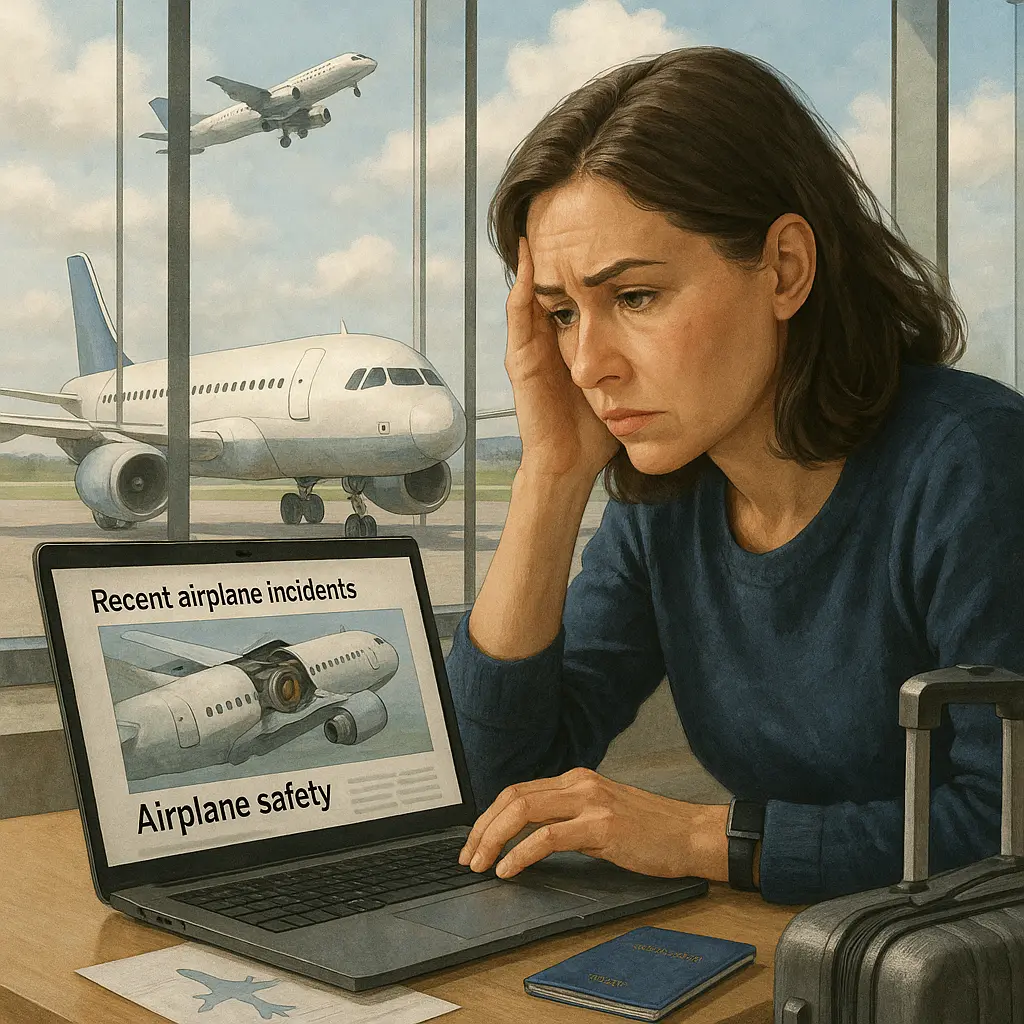
Understanding Recent Airline Incidents and Their Impact on Travel Planning
Recently, an alarming incident occurred involving an Air Canada flight where a crew member became trapped in the cargo hold, leading to distress among passengers. This event highlights important considerations for travelers and how such incidents can affect travel planning and experiences.
Context of Airline Safety and Passenger Experience
When considering travel, understanding the safety record and operational practices of airlines is key. Incidents like the one with Air Canada can raise concerns about safety protocols and the overall experience of flying. While the airline confirmed that no one was injured, it is crucial for passengers to be aware of how airlines handle emergencies.
Types of Travelers Affected by Airline Incidents
Different types of travelers may be affected by incidents like this:
- Families with Children: Parents may feel anxious about the safety of flights, especially when traveling with young kids.
- Business Travelers: Those flying for work may have concerns about delays and the reputation of the airline.
- Leisure Travelers: Vacationers might worry more about their overall experience and whether they will face disruptions.
Travel Planning Scenarios Post-Incident
Travelers should consider several scenarios when planning their trips:
- Alternate Flight Options: In case of cancellations, it’s good to have backup flight options in mind.
- Travel Insurance: This can provide peace of mind if a flight is delayed or canceled due to unforeseen circumstances.
- Airline Reputation: Researching the safety records and customer reviews of airlines can influence decisions on which carrier to choose.
Booking and Scheduling Considerations
When booking flights, travelers should keep the following in mind:
- Flexibility in Travel Plans: Opt for flexible tickets that allow changes if needed.
- Timing of Flights: Early flights may have fewer delays compared to later ones.
- Monitoring Airline News: Stay updated on any incidents or operational changes from the airline before traveling.
What Travelers Can Expect Next
Travelers should realistically expect that while incidents can occur, most flights operate safely and without issues. Here are some reassuring points:
- Airline Improvements: Airlines often review safety protocols post-incident to enhance passenger safety.
- Increased Transparency: Expect airlines to be more transparent about their safety measures in the wake of incidents.
- Passenger Awareness: As travelers become more aware of incidents, they may demand higher safety standards from airlines.
“It’s scary to think something like that could happen while flying. I’ll definitely be more cautious about which airline I choose next time.”
“Traveling is supposed to be fun, but these incidents make you think twice about flying. I hope airlines improve their safety measures.”
Analytical Insights on Travel Demand and Experiences
When incidents occur, they can temporarily affect travel demand. Many travelers may choose to avoid certain airlines or routes, impacting overall flight availability and prices. As travelers seek reassurance in their flying experience, airlines may respond by enhancing their customer service, safety protocols, and communication strategies. This could lead to a more competitive market where airlines strive to improve passenger experiences to regain trust.
Ultimately, understanding these dynamics can help travelers make informed decisions about their travel plans and expectations in the future.