Understanding Travel Disruption in the Middle East
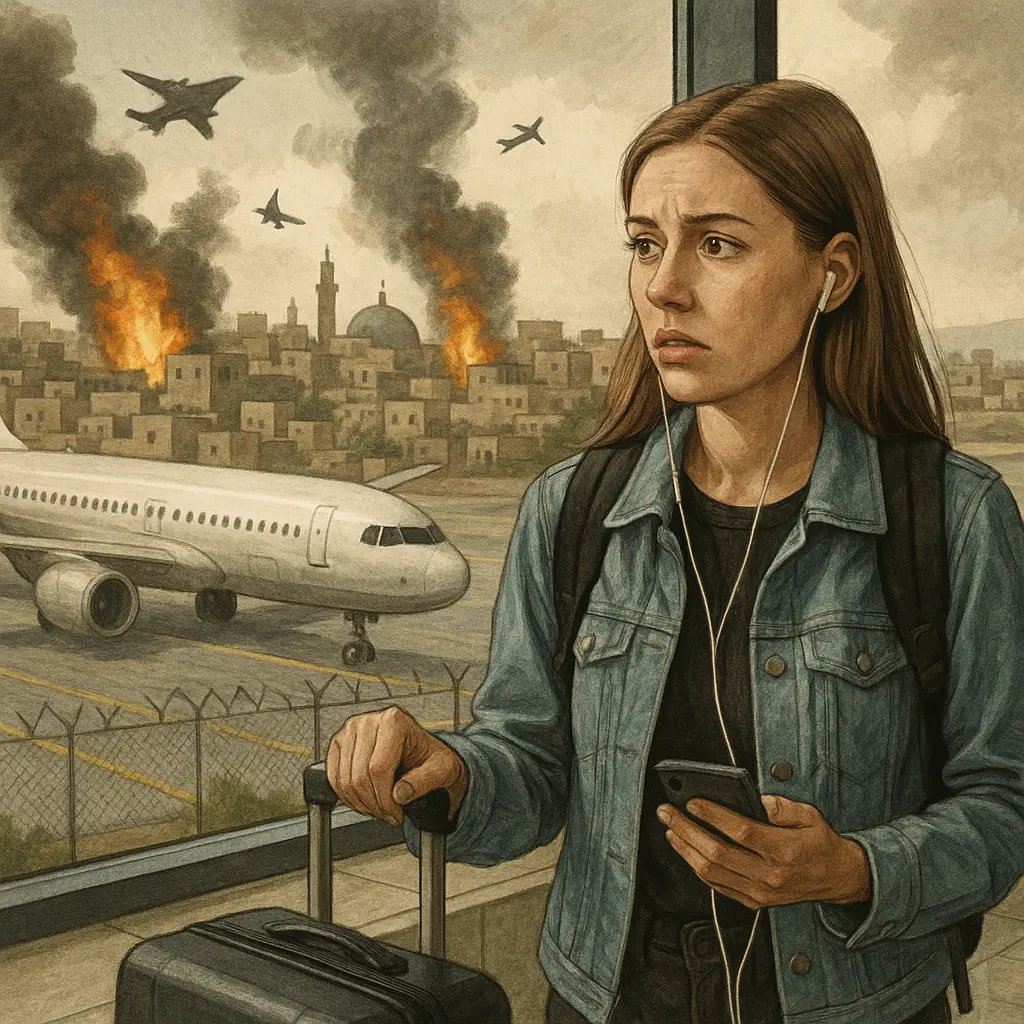
Recently, there have been serious air travel disruptions in the Middle East due to military strikes involving the US and Israel against Iran. This has left many travelers, especially French citizens, struggling to leave the region. For travelers planning to visit or currently in the Middle East, it is important to understand how these events might affect their travel plans.
Context of the Current Situation and Its Travel Impact
The military actions in the Middle East have raised concerns for safety and security. French Foreign Minister Jean‑Noël Barrot has prioritized the safety of nationals abroad and set up support systems through embassies and crisis hotlines. With around 400,000 French citizens in affected areas, including residents and tourists, the situation is serious.
- Travelers may face sudden flight cancellations.
- Travel routes may be limited or unsafe.
- Emergency support may be needed for travelers in the region.
Types of Travelers Affected by the Situation
Different groups of travelers are impacted in various ways. Long-term expatriates, dual nationals, business travelers, and tourists all have unique needs and concerns.
- Expatriates may need assistance to return home or relocate to safer areas.
- Business travelers could have meetings or projects disrupted.
- Tourists may be left stranded with limited options for safe travel.
Travel Planning Scenarios to Consider
When planning travel in the Middle East during this time, several scenarios could arise. Travelers should prepare for uncertainty and have backup plans in place.
- Flights may be canceled or rescheduled frequently.
- Land travel between countries could become a safer option.
- Travelers may need to stay informed about local conditions and government advisories.
What to Consider When Booking or Scheduling Travel
Before making travel arrangements, it’s essential to consider the current situation. Travelers should remain flexible and ready to change plans as needed.
- Check for current travel advisories from your government.
- Monitor flight statuses regularly for potential cancellations.
- Consider travel insurance that covers unexpected disruptions.
What Travelers Can Realistically Expect Next
In the coming weeks, travelers can expect continued caution and possible further disruptions in air travel. Limited flights may resume, but travelers should be prepared for changes.
“I just want to get home safely. The uncertainty is stressful.”
“I didn’t think my trip would turn into a crisis. I need to stay informed.”
Analyzing the Implications for Future Travel Demand
The current situation in the Middle East shows that travel demand can shift quickly due to geopolitical events. This may affect availability and pricing for flights and accommodations.
- Travel demand may decrease as travelers avoid the region.
- Airlines may adjust routes based on safety assessments.
- Travelers might find better deals if demand drops significantly.
Travelers should stay aware of the situation and be ready to adapt their plans to ensure safety and security.