Understanding Rising Gas Prices and Its Impact on Travel Planning
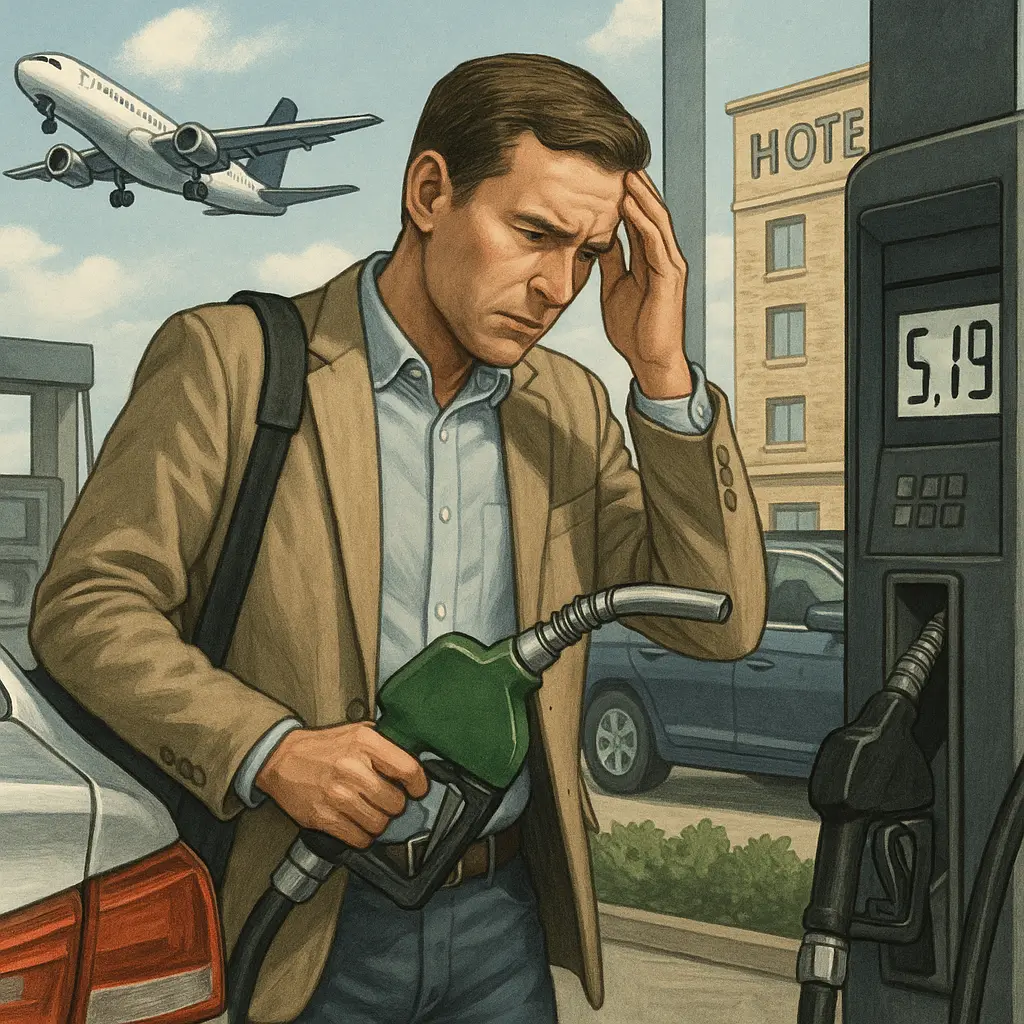
Recently, gas prices are expected to rise quickly due to surging oil prices related to conflicts in the Middle East, particularly the situation with Iran. This is crucial for travelers to know because rising gas prices can affect travel budgets, transportation options, and overall travel plans.
How Global Events Influence Travel Costs
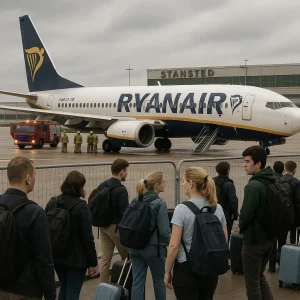
World events can have a significant impact on travel costs. When oil prices increase, it typically leads to higher fuel costs for airlines and rental car companies. This can result in increased prices for flights and car rentals.
Rising Fuel Costs
As oil prices rise, travelers may see:
- Higher airfare due to increased jet fuel costs.
- Increased rental car prices as companies adjust to higher fuel expenses.
- Potential changes in travel itineraries as some travelers opt for closer destinations to save on gas.
Effects on Different Types of Travelers
Different travelers will feel the impact of rising gas prices in various ways. Understanding these differences can help you plan accordingly.
Leisure Travelers
For leisure travelers, rising gas prices may mean:
- Higher costs for road trips, impacting budgets.
- Changes in travel destinations, favoring closer locations.
Business Travelers
Business travelers might face:
- Increased travel expenses that could affect company budgets.
- Potential for reduced travel as companies tighten spending.
Planning Scenarios for Travelers
As gas prices rise, travelers should consider different planning scenarios. Here are some situations to think about:
- Booking flights early to lock in lower rates before prices increase further.
- Considering alternative modes of transport, like trains or buses, which may be more cost-effective.
- Adjusting travel routes to avoid areas with higher fuel costs.
Booking and Scheduling Considerations
When planning travel during times of rising gas prices, it’s essential to think about the following:
- Check for flexible booking options, in case plans need to change.
- Monitor gas prices and airline rates regularly to find the best deals.
- Consider off-peak travel times to save money and avoid crowds.
“I always check gas prices before planning a road trip. With prices going up, I might rethink my destination.”
“I’m looking for cheaper flights now because I know fares may rise soon due to higher fuel costs.”
What to Expect Moving Forward
Travelers can expect that as long as geopolitical tensions continue, gas prices may remain high or even increase further. This can lead to:
- Higher travel costs overall, affecting budgets.
- More travelers seeking local or regional vacations instead of long-haul flights.
Staying informed about fuel prices and being flexible with travel plans can help travelers navigate these challenges more smoothly.
Analyzing the Implications for Travel Demand
The impact of rising gas prices on travel demand is significant. When prices increase, travelers may reduce their travel frequency or choose closer destinations. This can lead to:
- Less demand for international flights as travelers stay local.
- Increased competition among airlines for lower fares to attract cost-conscious travelers.
- A potential rise in road trips as people seek to explore nearby areas without the need for expensive flights.
Travelers need to adjust their plans and expectations as situations evolve, keeping an eye on both gas prices and travel options.