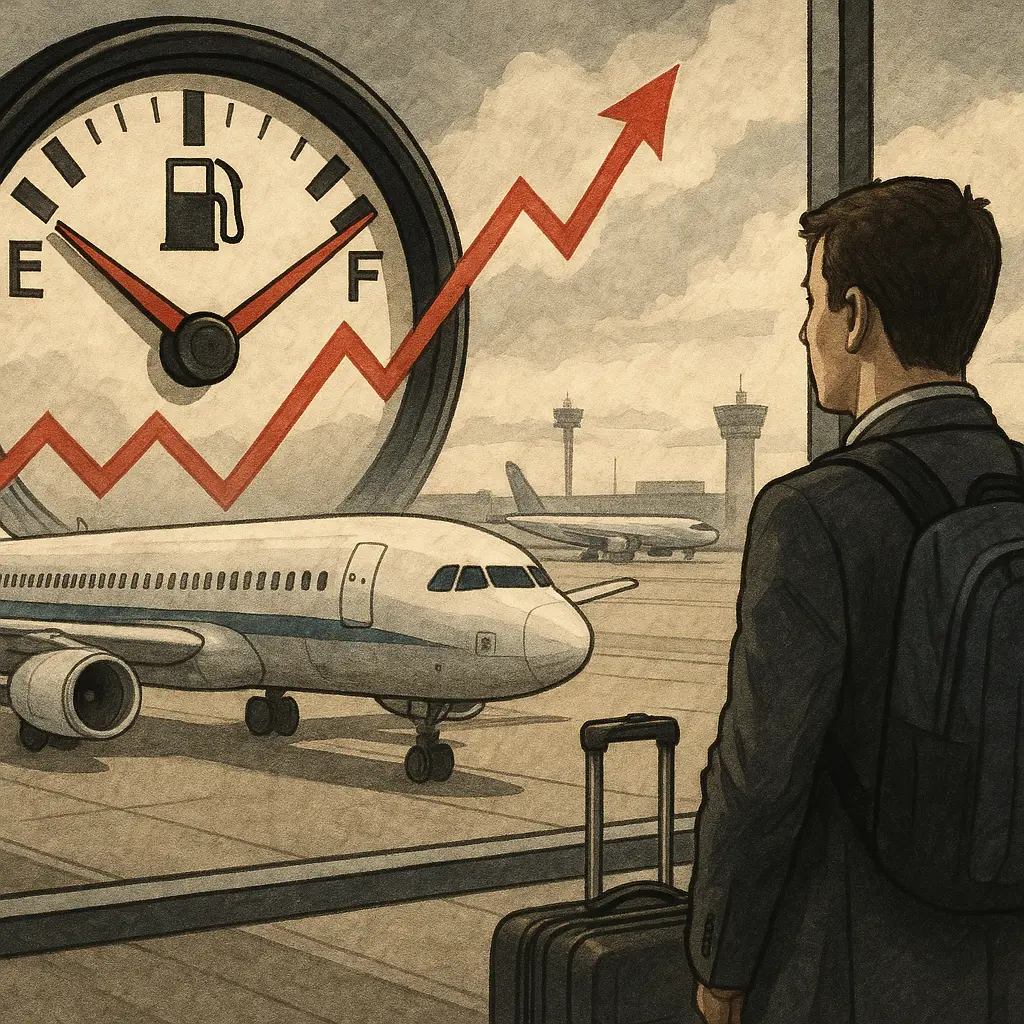
Understanding the Impact of Rising Jet Fuel Prices on Travel Planning
Recently, jet fuel prices have surged significantly, affecting various airlines, especially Southwest Airlines. This spike in fuel costs is essential for travelers to understand, as it can influence flight prices, availability, and overall travel planning. Being aware of these changes can help you make informed travel decisions.
What’s Driving Fuel Price Increases and How It Affects Travel
Current Market Trends
Jet fuel prices have risen about 50% since January 2026. This sharp increase is linked to global events, including geopolitical tensions that create uncertainty in oil supply. Such volatility can lead to higher costs for airlines, which are often passed on to travelers in the form of increased ticket prices.
Implications for Travelers
- Expect higher flight prices due to increased fuel costs.
- Flight availability may be affected as airlines adjust routes and schedules to manage expenses.
- Budget travelers should plan for potential changes in airline pricing strategies.
Different Types of Travelers and Their Experiences
Business Travelers
For business travelers, higher flight prices may mean reevaluating travel budgets. Companies may impose stricter travel policies, potentially leading to fewer trips or a shift to lower-cost carriers.
Leisure Travelers
Leisure travelers should be prepared for fluctuating ticket prices. Early booking may provide better prices, but travelers should remain flexible with travel dates to secure more affordable options.
Frequent Flyers
Frequent flyers who rely on loyalty programs might find it harder to redeem points for flights. Airlines may increase the number of points needed for certain routes, making it essential to stay updated on loyalty program changes.
Planning Scenarios for Travelers
As fuel prices fluctuate, travelers may face several scenarios:
- Higher ticket prices may require budgeting more for trips.
- Changes in flight schedules could affect travel plans, leading to longer layovers or rerouted flights.
- Airlines might introduce new fees or charges related to baggage or seat selection, impacting total travel costs.
Considerations When Booking or Scheduling Travel
Timing is Key
When planning your travels, consider booking your flights as early as possible. Airlines often raise prices as the travel date approaches, especially during peak seasons.
Flexibility with Dates
Being flexible with your travel dates can lead to significant savings. If you can adjust your departure or return by a few days, you may find lower fares.
Monitoring Fuel Prices
Keep an eye on fuel price trends. If prices begin to stabilize or drop, it might be worth waiting to book your flight.
Realistic Expectations for Future Travel
As we look ahead, travelers can expect that fuel prices will continue to influence airline operations. Southwest Airlines, for example, is targeting a recovery in its earnings by 2026, depending on fuel cost normalization. However, the path to this stability is uncertain and may vary based on global events.
“I know it’s going to cost more to fly, but I want to travel. I just need to plan better and stay flexible.”
“I’m worried about how these fuel prices will affect my points and upgrades. I’ll need to keep an eye on my preferred airline’s changes.”
Analyzing Future Demand for Air Travel
The increase in jet fuel prices could lead to decreased demand for air travel in the short term. As prices rise, fewer people may choose to fly, or they may opt for alternative modes of transportation. Additionally, international travel may see a more significant decline as travelers weigh costs against their budgets. Airlines may respond by adjusting their routes or services to better match demand, which could further influence the travel experience.
In conclusion, understanding the current rise in jet fuel prices is crucial for effective travel planning. By staying informed and adapting your travel strategies, you can navigate these changes and continue to enjoy your travel experiences.