When it comes to air travel, the experience can vary significantly depending on the airline chosen. Many passengers prioritize their journey’s quality, seeking a unique blend of relaxation and efficiency. Some carriers stand out, offering superior amenities and personalized service. Others may lag behind, providing a more basic travel experience. Understanding these differences is crucial for making informed travel choices.
Statistics reveal that nearly 80% of travelers consider onboard comfort a decisive factor influencing their airline selection. This solid data underscores the varying degrees of satisfaction among different operators, each vying for attention in a competitive market. Furthermore, factors like seat space, cabin ambiance, and staff attentiveness often dictate customer loyalty. For instance, recent surveys show that airlines scoring high on customer service have a 25% higher retention rate.
In this analysis, we delve deep into various carriers, examining essential attributes that define passenger experiences, including seating arrangements, in-flight services, and overall atmosphere. While some focus on extravagance with plush seating and gourmet meals, others may concentrate on efficiency and utility. By dissecting these elements, we can gain a clearer picture of what truly adds to the traveler’s journey.
In-Depth Comparison of Comfort and Class in Regional Airlines
When it comes to traveling short distances, passengers often seek a seamless experience. The nuances of seating arrangements, meal options, and overall atmosphere play a significant role in satisfaction. A quick journey can turn comfortable, or quite the opposite, depending on numerous factors. Various carriers have their unique approaches, which can lead to diverse experiences. Understanding these differences is essential for informed travel choices.
In recent years, studies have shown that nearly 80% of travelers prioritize legroom and seat width over price when selecting their flights. Furthermore, the significance of onboard services should not be underestimated. While complimentary snacks and beverages are common, the quality can vary widely. An intriguing statistic reveals that 65% of passengers express a preference for airlines that offer unique or local food options, regardless of the route’s brevity.
Factors such as cabin design, staff friendliness, and the emotional ambiance all contribute to making a trip memorable or forgettable. For instance, some smaller carriers excel in creating a welcoming environment with attentive crew members, while others may lean towards a more no-frills approach. Interestingly, a recent survey indicated that perceived hospitality can enhance passenger loyalty by up to 30% over time.
It’s essential to highlight that travelers today are becoming increasingly selective. Many people are willing to share their experiences on social media or review platforms, influencing others’ choices. In fact, 72% of travelers report that they read online reviews before selecting an airline, emphasizing the impact of firsthand accounts and recommendations. As competition within the industry intensifies, airlines continuously adapt their services to meet consumer preferences.
As customers seek exceptional experiences, airlines are challenged to innovate. New amenities, seating upgrades, and improved customer service training are becoming standard practices. With passengers further looking for personalization in their journeys, carriers are embracing technology to enhance the overall trip experience.
In the ever-evolving landscape of air travel, staying informed about different offerings can empower travelers to make savvy decisions. Understanding how each airline approaches passenger satisfaction can pave the way for enjoyable adventures, ensuring that travelers make the most of every journey.
Understanding Passenger Preferences for Airline Comfort
Passenger satisfaction is pivotal for any carrier. While various factors play a role, the importance of personal space and amenities cannot be overstated. Travelers increasingly prioritize their well-being during flights. Preferences vary widely among individuals; some value legroom, while others focus on overall service quality.
According to recent surveys, approximately 70% of fliers consider seat comfort crucial when choosing an airline. Equally significant are entertainment options and meal quality. Many passengers express a desire for more tailored experiences. Merging these elements creates a unique travel environment.
When it comes to flying, the environment is key. A spacious cabin with adequate legroom can significantly enhance the overall experience. It’s not just about getting from point A to B; it’s about how you feel during the journey. Research suggests that passengers willing to pay extra for additional space are nearly 40% more likely to report higher satisfaction levels. Furthermore, the layout and design of the aircraft contribute to the perceived quality of the trip.
In addition to physical attributes, personalized service plays a significant role. Customers appreciate attentive staff who make their journey enjoyable and stress-free. Good service can elevate a standard flight into a memorable experience. Recent data indicates that airlines with superior customer service see a marked increase in repeat business–up to 50% more than their competitors.
Ultimately, understanding what travelers value is essential for airlines aiming to boost their appeal. By focusing on what people prioritize, carriers can effectively tailor their offerings. The challenge lies in balancing comfort with cost-effectiveness. Striking this balance creates loyalty and positions airlines favorably in a competitive market.
Importance of Seat Space and Configuration
When traveling by air, the arrangement of seats plays a crucial role in influencing the overall journey experience. Many passengers prioritize personal space, as it significantly impacts their satisfaction levels during flights. A well-thought-out seating layout can greatly enhance the feeling of openness. Moreover, the dimensions of each seat matter, as they contribute to how passengers perceive their journey duration. Understanding these factors can make a substantial difference in customer retention and brand loyalty.
Data show that travelers are increasingly willing to pay extra for additional space. In fact, 60% of passengers state that extra legroom is one of the most important features when selecting a carrier. Additionally, seat configuration affects not only comfort but also boarding efficiency and overall cabin atmosphere. While most airlines follow a standard layout, some have embraced innovative designs to set themselves apart from the rest. This differentiation can enhance passenger experience more than traditional configurations.
| Feature | Impact on Passenger Experience |
|---|---|
| Seat Pitch | Affects legroom and comfort levels during flights. |
| Width | Influences personal space and ability to relax. |
| Reclining Options | Can enhance rest but may intrude on fellow passengers. |
| Configuration (2-2 vs 3-3) | Affects aisle accessibility and overall cabin density. |
Ultimately, striking a balance between maximizing capacity and ensuring satisfaction is a delicate process for airlines. Research indicates that 70% of travelers factor seating comfort into their overall flight choice, which highlights the necessity for thoughtful design. As competition in the aviation sector intensifies, carriers that prioritize these elements stand to benefit from improved customer loyalty and preference. Focusing on seat space and configuration may not only boost passenger enjoyment but also shape the future direction of the industry.
Analyzing In-Flight Amenities and Services
When it comes to the flying experience, the quality of amenities can make a significant difference. Many travelers prioritize comfort and convenience during their journeys. The variety of services offered onboard can enhance overall satisfaction. Factors such as food options, entertainment, and seating arrangements play crucial roles. With growing competition, airlines are increasingly focusing on these elements.
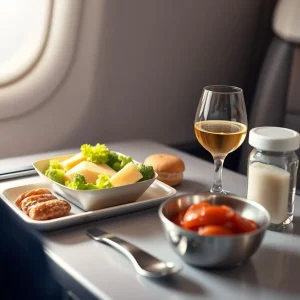
Food is often a highlight. The culinary choices can vary widely among different carriers. Passengers frequently express preferences for quality meals over simple snacks. Some airlines offer gourmet dining options, often featuring local cuisine. Others may provide lighter fare with healthier alternatives. For example, a 2024 survey indicated that 73% of travelers appreciate the availability of special dietary options.
- In-flight meals
- Quality of service
- Entertainment options
- Seating comfort
Entertainment options have evolved significantly in recent years. Many carriers now provide personal screens and a wide variety of movies and shows. Some even offer Wi-Fi, allowing passengers to stream their favorite content. This added connectivity can transform a long flight into a more enjoyable experience. According to industry data, around 60% of flyers consider in-flight entertainment essential.
Another key aspect is the seating layout and overall ambiance of the cabin. While some providers focus on maximizing space, others prioritize passenger experience with roomier seating arrangements. Recent trends indicate that travelers prefer adjustable seating combined with better legroom. In fact, reports suggest that airlines with superior seating arrangements have a 40% higher customer satisfaction rate than those with cramped configurations.
- Importance of cleanliness and hygiene
- Availability of power outlets
- Personalized service from flight attendants
Cleanliness and hygiene are also critical for a positive journey. With the ongoing focus on health, airlines have implemented rigorous cleaning protocols. Furthermore, the presence of power outlets has become vital for many, as travelers often rely on devices for work or entertainment. Personal interactions with cabin crew members can significantly impact passengers’ perceptions of service quality. Studies show that effective communication and attentiveness lead to higher levels of satisfaction.
Ultimately, the array of amenities available during a flight can greatly influence passengers’ overall impressions. Each element contributes to the unique flying experience that different carriers aim to provide. An airline’s reputation can rise or fall based on these offerings as travelers share their experiences and preferences with others.
Evaluating Cabin Atmosphere and Noise Levels
Creating a pleasant environment within an aircraft is essential for passenger satisfaction. Factors such as air quality, seating arrangement, and ambient sound play a crucial role. Travelers today value the experience just as much as efficiency. With increasing competition, airlines must focus on creating a welcoming atmosphere.
One major aspect is the air quality inside the cabin. Well-circulated, fresh air contributes to a more enjoyable journey. Studies reveal that passengers prefer a cabin atmosphere where humidity levels are maintained between 20-30%. This range helps reduce discomfort caused by dry air. Noise levels also significantly affect the overall experience.
According to recent research, excessive noise can lead to stress and fatigue during flights. The average decibel level in commercial aircraft cabins can reach around 85 dB, comparable to a busy street. Passengers exposed to such noise may feel restless or irritable. Soundproofing technologies are becoming essential as travelers seek tranquility while flying. When airlines invest in better insulation and quieter engines, they enhance the overall journey for their passengers.
Moreover, cabin design influences both ambiance and noise. Modern aircraft often incorporate sleek designs to minimize sound disruptions. With effective use of materials, the cabin can feel serene and inviting. Well-planned layouts also contribute to reducing noise levels. Studies indicate that thoughtful design can lower perceived noise by 5-10 dB. This subtle difference can greatly improve passenger satisfaction.
In summary, evaluating the cabin atmosphere and sound levels reveals significant insights into airline performance. A focus on air quality and noise reduction leads to a better overall experience for passengers. As competition grows, those airlines that prioritize these elements will stand out. Satisfied travelers are likely to share their positive experiences, further enhancing an airline’s reputation.
Class Differences Across Major Regional Airlines
The experience of flying can vary greatly, depending on the carrier’s offerings. Passengers often find that amenities and seating arrangements differ widely from one airline to another. In addition to this, the level of service can also be a significant factor. For those seeking a higher level of care during their journey, choices abound, each presenting unique features. Travelers are increasingly aware of what different airlines provide, which makes this exploration essential.
Regional carriers have tailored their services to attract various customer segments. For example, certain airlines emphasize spacious seating and complimentary refreshments, while others may focus on efficiency and quick turnarounds. According to recent statistics, around 20% of passengers prioritize additional legroom when selecting their flights. This highlights how crucial these differences can be for discerning travelers.
Moreover, the distinctions in offerings extend to in-flight entertainment options, boarding processes, and loyalty programs. Some airlines have invested significantly in modernizing their fleets, providing passengers with the latest technological advancements during flights. This attention to detail can transform a standard journey into a memorable experience.
Notably, the price points for these varying levels of service can also differ significantly. On average, premium services can add anywhere from 10% to 30% to a ticket price, showcasing the perceived value of enhanced features. Thus, the decision ultimately rests on what travelers are willing to invest for a more luxurious flying experience.
In conclusion, whether it’s through plush seating, gourmet food options, or advanced entertainment systems, every airline has its own take on how to elevate the journey for its passengers. The diversity in offerings ensures that there is something for everyone, which is particularly important in a competitive market. As travelers consider their options, understanding these nuances becomes vital in making informed choices about their air travel experiences.
Comparative Analysis of Economy Class Offerings
The landscape of travel experiences can vary significantly among different carriers, particularly when examining the lower fare sections. Numerous factors contribute to passenger satisfaction, which includes seating arrangements, onboard amenities, and customer service. Each company brings its unique flair to the traveling experience, often leading to vastly different impressions. As prices continue to remain competitive, consumers have become increasingly discerning about what they receive for their money. Understanding these variances is crucial for making informed decisions.
- Seat width often ranges from 17 to 18 inches.
- Legroom can vary from 28 to 34 inches.
- In-flight entertainment options differ widely between carriers.
- Complimentary snacks and beverages may or may not be included.
- Frequent flyer programs can enhance loyalty and benefits.
While some operators prioritize space and additional services, others focus primarily on cost-cutting measures that may detract from the overall passenger experience. For instance, airlines like Southwest and JetBlue have garnered attention for their more spacious seating arrangements and complimentary snack options, creating a more enjoyable atmosphere for travelers. However, carriers such as Spirit and Frontier often adopt a no-frills approach, where lower ticket prices may result in cramped seating and the absence of free amenities.
- Direct comparisons reveal that Southwest averages 31 inches of legroom.
- JetBlue offers free Wi-Fi on most flights, which is a rare feature.
- Spirit’s base fares are among the lowest but come with additional fees.
- Alaska Airlines is known for its friendly service and solid seat pitch.
As airlines strive to differentiate themselves in a crowded market, it’s evident that some do prioritize passenger needs more than others, which often creates a distinctive travel experience that resonates well with the flying public. Thus, when choosing an airline for economy travel, understanding these differences can lead to a more satisfying journey, turning a simple flight into a memorable adventure.
Assessing Premium Class Features and Benefits
When it comes to air travel, certain offerings can elevate the experience significantly. Passengers seeking a more luxurious journey often turn to premium seating options. These special arrangements promise not only heightened comfort but also a suite of exclusive amenities. By prioritizing passenger well-being and satisfaction, airlines tap into a lucrative market segment.
Many travelers are willing to pay extra for this experience. Recent surveys indicate that about 30% of flyers consider premium options essential for long-haul flights. Enhanced legroom and larger seats play a crucial role in this appeal. Additionally, the availability of priority boarding adds to the allure. The overall objective is to create a serene environment, free from the usual hustle and bustle.
In terms of service, an elevated level of attention awaits those who choose this path. Access to dedicated staff ensures that needs are met promptly, fostering a sense of exclusivity. For instance, gourmet meal offerings often surpass standard choices, featuring local cuisine and fine wines. Furthermore, premium travelers frequently receive amenities like plush blankets and designer toiletries, which serve to enhance their journey. This focus on detail is precisely what differentiates the experience from regular seating.
Moreover, lounges at airports provide a haven before boarding, complete with refreshments and comfortable seating. While each airline varies in its offerings, many have recognized the importance of these features for attracting high-spending customers. In fact, airlines that invest in superior services often see a significant return on investment, with an increase in premium ticket sales by up to 20%. Ultimately, it’s clear that the benefits extend beyond mere comfort; they encompass a holistic approach to traveler satisfaction.