

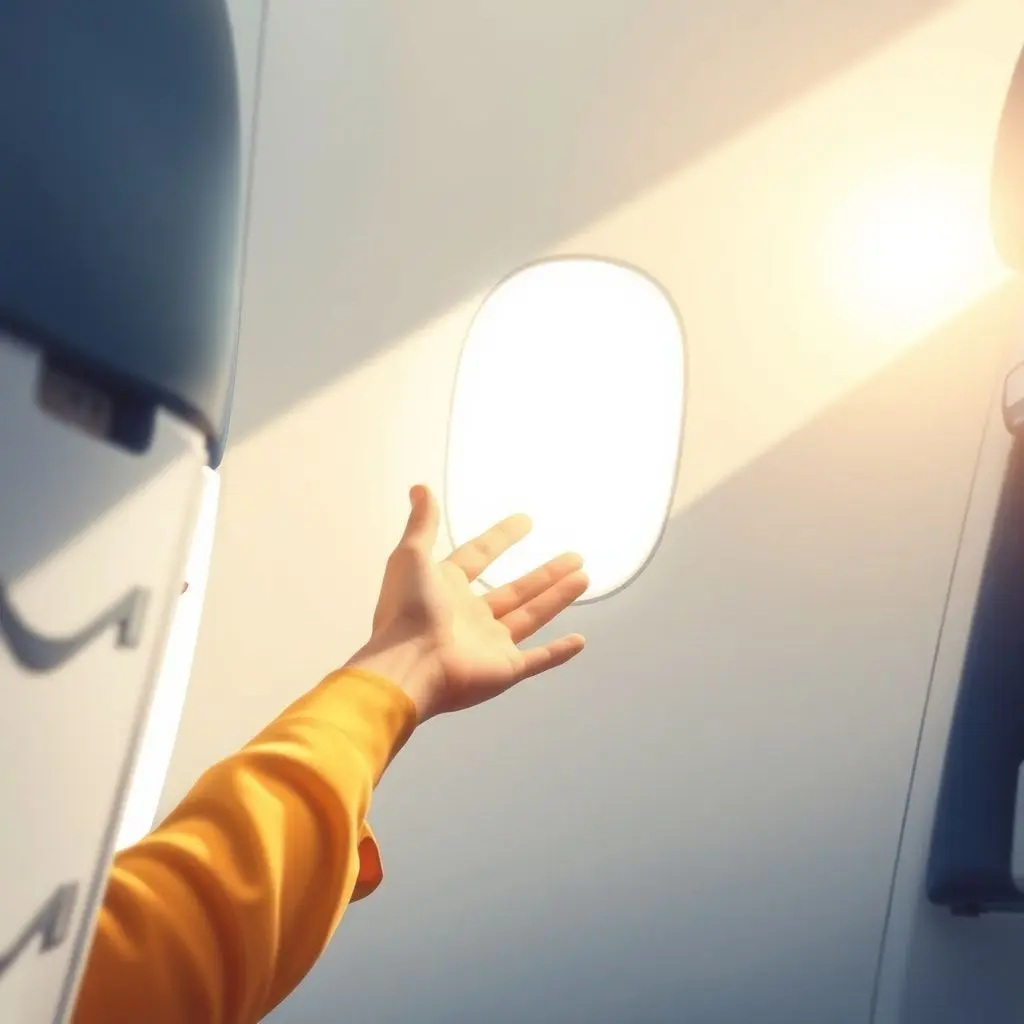
Revolutionary changes are sweeping through the aviation industry, particularly in the realm of accessibility. Modern travel experiences should cater to everyone, ensuring that no one is left behind. With increasing awareness and commitment, the focus on creating a more inclusive environment is palpable. Opportunities abound for making air travel more friendly and accommodating.
Recent statistics reveal that approximately 15% of the global population lives with some form of disability, underscoring the necessity for thoughtful adaptations in the travel sector. Airlines are beginning to recognize this growing demographic as a vital aspect of their customer base. By implementing modifications and specialized resources, they can significantly enhance the overall experience for these travelers. Fostering an environment that values diversity not only promotes equality but also reflects positively on the industry as a whole.
Innovative technologies are being harnessed to facilitate smoother check-ins, boarding processes, and in-cabin experiences. From dedicated staff training programs to the introduction of unique tools, efforts are being made to ensure that every individual feels welcomed. The integration of these thoughtful enhancements demonstrates a commitment to understanding the unique needs of various travelers. Moreover, it is encouraging to see a trend where feedback from the community plays a crucial role in shaping these initiatives.
As the journey progresses, the collaboration between various stakeholders will be essential. Building partnerships with advocacy groups can offer invaluable insights and foster a more profound impact. This evolving dialogue highlights not just the responsibility but also the opportunity to elevate the travel experience for all. Ultimately, the commitment to accessibility promises a future where everyone can enjoy the wonder of travel without barriers.
Understanding the Needs of Disabled Travelers in Aviation
Addressing the requirements of travelers with limitations is crucial in aviation. These individuals often face unique challenges, influencing their overall journey. Accessibility isn’t just a buzzword; it’s a necessity. Various facets of air travel can become daunting for those with mobility, sensory, or cognitive impairments.
Statistics reveal that approximately 1 in 5 adults in the U.S. lives with some form of disability, which translates to a significant number of potential travelers. Ensuring comfort and ease during flights means acknowledging the diversity of needs and providing appropriate solutions. Airports and terminals must adapt to assist these individuals in navigating facilities seamlessly.
It’s essential to recognize that every traveler has distinct requirements. Some may need assistance in boarding, while others might require special seating arrangements. Technology plays a vital role in creating a supportive environment. Communication channels also need to be clear and inclusive, ensuring everyone can access vital information.
| Need | Description | Potential Solution |
|---|---|---|
| Accessibility | Physical access to aircraft and airports | Ramps, elevators, and spacious pathways |
| Information | Clear and accessible communication | Multilingual announcements and visual displays |
| Assistance | Support during check-in and boarding | Dedicated staff trained to assist |
| Facilities | Restrooms and seating areas | Adapted restrooms and designated seating |
Every detail, from check-in to disembarkation, holds significance. Passengers with impairments should feel valued and accommodated throughout their travel experience. Building a more inclusive environment reflects a commitment to customer care, ultimately benefiting the entire industry.
The Importance of Accessibility in Air Travel
Inclusive travel experiences hold immense significance in today’s interconnected world. Every individual deserves an opportunity to explore new destinations. Accessibility is crucial in ensuring that everyone, regardless of their physical condition, can enjoy the marvels of air travel. With millions of individuals facing mobility challenges, the aviation sector must evolve to accommodate their needs.
Statistics reveal that nearly 15% of the global population has some form of disability. This sizable demographic demands attention and action from the industry. Every step in the travel journey impacts the experience of these individuals. From the booking process to boarding and in-flight comfort, accessibility is paramount.
- Promotes independence and empowerment.
- Facilitates a sense of belonging.
- Encourages tourism revenue growth.
- Fosters positive brand reputation.
When airlines prioritize inclusivity, they not only attract a wider customer base but also create an environment where all travelers feel valued and respected, ultimately contributing to a more equitable society and enhancing overall satisfaction in air travel experiences.
Recent Statistics on Disabled Passenger Experiences
Understanding the experiences of travelers with mobility challenges is crucial. Recent data highlights notable trends in this area. Various surveys have been conducted to gauge satisfaction and identify key issues. The findings reveal both progress and areas needing improvement.
Approximately 30% of individuals with disabilities report negative experiences during their journeys. In a survey conducted by a prominent travel organization, only 48% felt adequately supported. Notably, only 36% indicated that their specific needs were anticipated by staff. This disparity points to significant room for growth.
While some organizations have made strides, numerous travelers still encounter barriers. According to the International Air Transport Association, around 50% of disabled individuals experience difficulties accessing necessary assistance. Additionally, 62% expressed dissatisfaction with the responsiveness of personnel. These statistics illustrate a pressing need for continuous improvement and better understanding of the unique requirements faced by these individuals.
The journey of a traveler with a disability is not merely a series of obstacles but a narrative demanding attention and action, revealing insights that can transform the entire travel experience into one that is more inclusive and respectful of all individuals, regardless of their physical limitations.
Common Challenges Faced by Disabled Travelers
Traveling can present numerous obstacles for individuals with mobility and sensory impairments. These challenges often stem from a lack of accessible facilities and inadequate support systems. Issues can arise even before reaching the airport, such as transportation difficulties. Once at the airport, the hurdles continue, leading to potential distress and frustration.
Statistics show that about 15% of the world’s population lives with some form of disability. This means that a significant number of travelers may encounter barriers that others take for granted. Long security lines, insufficient seating arrangements, and limited restroom access are just a few examples. Moreover, communication challenges can aggravate the situation, especially for those who are hearing or visually impaired.
While some establishments strive to provide solutions, many still fall short. Limited assistance for boarding, inadequate training of staff, and lack of clear signage pose considerable problems. The overall experience can be disheartening, as every step of the journey may require additional effort and planning. Even with the right intentions, resources and awareness are often lacking. As travel becomes more necessary, addressing these obstacles remains crucial for fostering inclusivity.
Innovations in In-Flight Services for Enhanced Comfort
Recent advancements are transforming the travel experience, focusing on comfort and accessibility. Airlines are recognizing the importance of catering to various needs. This movement emphasizes the necessity of thoughtful designs that prioritize passenger well-being. As travel demands evolve, the aviation sector adapts to ensure everyone feels valued.
Many companies have integrated cutting-edge technology into their offerings. Enhanced seating options are now available to accommodate diverse physical requirements. Innovations like adjustable headrests and legroom expansion are becoming standard. Furthermore, onboard entertainment systems are increasingly user-friendly and inclusive. With these upgrades, the journey becomes much more enjoyable for every traveler.
Statistics reveal that around 61 million Americans live with some form of disability, a significant demographic that airlines cannot overlook if they wish to thrive in a competitive market; consequently, immersive training programs for cabin crews are being implemented to enhance awareness and improve interactions.
Moreover, personalized services, such as priority boarding and assistance at every step, contribute to a smoother travel experience. These initiatives not only create a welcoming environment but also build brand loyalty. Ultimately, the focus is on making air travel accessible, comfortable, and enjoyable for all.
Adaptive Seating Solutions for Passenger Convenience
Creating an inclusive travel experience is a priority within the aviation sector. Innovative seating options play a crucial role in achieving this goal. These solutions are designed to accommodate various needs and preferences. By prioritizing comfort and accessibility, airlines aim to transform the flying experience. In fact, studies show that 22% of travelers consider seating arrangements crucial for overall satisfaction.
Modern aircraft configurations now feature adjustable seats, allowing for better ergonomics. Enhanced legroom and width are part of this evolution. Passengers can enjoy more freedom of movement. Furthermore, the incorporation of supportive materials contributes to overall comfort.
Some airlines have implemented multi-functional seats that pivot and recline in unique ways, enabling easier access. Such flexibility can significantly benefit those requiring additional support or assistance during their journey. Additionally, the integration of removable armrests can provide extra space when needed, accommodating various body types and mobility aids. A recent survey indicated that 65% of individuals with specific needs reported enhanced comfort levels thanks to these advancements.
As a result, the emphasis on personalized seating solutions has transformed the travel landscape in remarkable ways. Onboard experiences that prioritize the comfort and convenience of all travelers foster a welcoming atmosphere. This approach not only encourages individuals with unique requirements to fly but also enriches the overall air travel environment. Investing in adaptive seating reflects a broader commitment to inclusivity, ensuring that every journey is as enjoyable as possible.
Improved Communication Tools for Situational Awareness
Effective communication remains crucial in ensuring a seamless journey. When unexpected events arise, situational awareness can greatly influence comfort and safety. Innovative tools have emerged, designed to provide real-time updates and enhance overall experience. These advancements not only cater to specific needs but also foster a sense of empowerment.
Recent studies indicate that nearly 75% of travelers with special needs appreciate timely information. Quick alerts about delays, gate changes, or emergency procedures significantly improve confidence levels. Moreover, enhanced communication methods address a variety of preferences. Visual aids, text messaging, and dedicated apps are gaining traction among carriers.
In light of these developments, many companies have integrated intuitive platforms that share essential travel details efficiently. These platforms utilize a combination of technology and proactive engagement to ensure every individual remains informed, regardless of their circumstances. By focusing on creating a more accessible environment, airlines contribute positively to the overall travel experience.
Moreover, personalized notifications allow travelers to tailor their information preferences, receiving updates in a manner that suits them best. With a greater emphasis on situational awareness, the industry is moving toward a future where misunderstandings become less common. This shift not only promotes safety but also enhances overall satisfaction.
Finding the right balance between technology and human interaction is key. As communication tools evolve, a blend of digital solutions and personal assistance becomes essential. This combination ultimately leads to a more inclusive travel atmosphere, where every passenger feels valued.
Personalized Assistance Provided by Airline Staff
Tailored support from crew members can make a significant impact. Each traveler has unique requirements that deserve attention. Ensuring comfort and safety is paramount. It creates a more welcoming environment, enhancing the overall journey.
Many airlines have recognized the importance of individualized care. Training staff to understand diverse needs has become a priority. The goal is to provide seamless experiences. This involves understanding preferences and anticipating challenges.
- Dedicated personnel available at check-in and boarding.
- Personalized greetings and assistance during the flight.
- Immediate response to requests for help or information.
- Support with mobility aids and personal belongings.
- Clear communication regarding safety procedures.
Statistics reveal that a significant portion of travelers, approximately 15% of the global flying population, may have specific support needs, which makes it crucial for carriers to implement strategies that cater to these individuals effectively, thereby reducing anxiety and ensuring a smoother travel experience.
Specialized staff training programs play a vital role. Employees are equipped with skills to handle various situations. They learn to recognize signs of distress or confusion. This proactive approach fosters trust and reassurance.
- Engaging with passengers to assess their requirements.
- Offering assistance in locating their seats and stowing luggage.
- Checking in frequently to ensure ongoing comfort and satisfaction.
- Facilitating connections smoothly, minimizing stress levels.
- Gathering feedback to improve future engagements.
Incorporating personal touches leads to memorable journeys. Attention to detail can transform a standard flight into a remarkable experience. Understanding individual needs strengthens the bond between travelers and airline teams. Ultimately, this focus on personal care allows for a more enjoyable atmosphere aboard.










4 responses
I think it’s important for airlines to continue to listen to feedback from disabled passengers to make sure they are meeting their needs. Communication is key!
As a travel agent, I’m so excited to see airlines finally stepping up their game and providing more inclusive services for disabled passengers. It’s a huge step in the right direction.
It’s great to see airlines investing in new technology to make the flying experience more comfortable for disabled passengers. Can’t wait to see what other innovations they come up with.
I’m sure these changes will make a huge difference for so many people who have been struggling to travel because of their disabilities. It’s about time the aviation industry became more inclusive.