


In an ever-evolving landscape of air travel, premium offerings are undergoing significant transformation. Constantly shifting passenger expectations drive airlines to enhance comfort and convenience. Innovations emerge rapidly, reshaping the traditional notions of high-end travel. As competition intensifies, companies must differentiate themselves through unique offerings and unparalleled services.
Recent data illustrates that around 60% of travelers prioritize comfort when choosing airlines. This statistic highlights the growing demand for improved amenities and personalized experiences. Enhanced seating configurations, state-of-the-art entertainment systems, and gourmet dining options are becoming essential. Industry players are increasingly focused on providing tailored solutions to meet diverse traveler needs.
Moreover, advancements in technology are revolutionizing the way passengers engage with their journeys. For instance, the introduction of biometric boarding processes has streamlined check-in procedures, minimizing wait times significantly. Travelers are experiencing a seamless transition from the ground to the air, which enhances overall satisfaction and encourages loyalty.
In addition to technological upgrades, sustainability has emerged as a critical concern for many consumers. Approximately 70% of flyers express a preference for eco-friendly practices in the aviation sector. As a response, airlines are investing in greener alternatives, such as more efficient aircraft and sustainable fuel sources, ensuring a positive impact on the environment while addressing passenger concerns.
As we observe these dynamic shifts, it becomes clear that the realm of premium travel is entering an exciting phase. Evolving preferences, alongside pressing global challenges, necessitate innovative solutions. These changes not only redefine passenger experiences but also shape the competitive landscape of the aviation industry. Thus, staying informed about these developments can offer valuable insights into what lies ahead for discerning travelers.
Emerging Trends in Business Class Travel Experience
Recent developments in premium travel experiences highlight a shift towards personalization and comfort. Airlines are increasingly focused on enhancing passenger satisfaction. Expectations are rising with each journey. Travelers desire more than just a seat; they seek an immersive experience. This new approach is transforming air travel.
The evolution of technology plays a pivotal role in this transformation. Innovations in in-flight services, seating configurations, and overall atmosphere are becoming commonplace. Here are some key aspects shaping premium travel experiences:
- Personalized meal options catering to specific dietary needs.
- Enhanced privacy through redesigned seating layouts.
- State-of-the-art entertainment systems with immersive content.
- Increased accessibility with seamless connections to ground services.
- Focus on sustainability, promoting eco-friendly practices.
Data shows that over 60% of travelers prioritize comfort and amenities during long-haul flights, which pushes airlines to innovate relentlessly. In addition, many companies are investing heavily in artificial intelligence to tailor experiences, making each journey unique to individual preferences.
Passengers are looking for services that reflect their lifestyle choices. They want the option to customize their journey from the moment they book until arrival at their destination. This desire for control is evident in the growing popularity of mobile applications that allow travelers to manage every aspect of their trip seamlessly.
Moreover, premium lounges are evolving into wellness hubs, offering spa treatments and healthy dining options. These spaces are designed to foster relaxation before flights. It’s no longer just about waiting for a plane; it’s about indulging in a holistic experience.
As competition intensifies, airlines are striving to outdo each other by elevating the passenger experience. To remain relevant, they must keep pace with changing expectations while embracing innovation. This dynamic landscape reflects a broader shift in consumer behavior.
Increased Demand for Personalization in Services
Consumers today seek experiences tailored to their unique needs. This shift reflects a broader trend in various sectors. Personalized services foster loyalty and enhance satisfaction. Businesses must adapt to meet these evolving expectations. More than ever, individuals desire to feel special.
According to recent data, 80% of consumers are more likely to make a purchase when brands offer personalized experiences. Companies realizing this potential have begun utilizing advanced technologies, such as AI and machine learning, to analyze customer preferences and behavior patterns. As a result, they are able to deliver customized solutions that resonate deeply with their audience.
Moreover, personalization is not limited to product offerings; it extends to customer interactions. Clients appreciate when brands remember their preferences and anticipate their needs. This engagement leads to stronger relationships and increased trust. In a world overflowing with options, a personal touch distinguishes a brand from its competitors.
Many anticipate further growth in this area. Innovations like chatbots and personalized marketing campaigns exemplify how businesses strive to connect authentically. Opportunities abound for organizations willing to innovate and embrace this demand. Ultimately, prioritizing tailored services can yield significant rewards in customer retention and satisfaction.
Shift Towards Eco-Friendly Travel Options
Demand for sustainable travel solutions continues to rise, reflecting growing awareness of environmental issues. Travelers today seek experiences that align with their values. Eco-conscious choices are not merely a fad; they have become essential in shaping journeys. This shift indicates a desire for responsible tourism and a commitment to preserving our planet.
Statistics reveal a significant change in consumer behavior. According to a recent survey, nearly 70% of travelers are willing to pay more for sustainable options. Furthermore, airlines are increasingly investing in eco-friendly technologies to meet this demand. Carbon emissions reduction is a priority for many operators striving to minimize ecological footprints. As a result, innovative measures such as sustainable fuels and improved aircraft designs are gaining traction.
Travelers now expect transparency about the environmental impact of their trips. They prefer companies that prioritize sustainability in their operations, from sourcing local products to implementing waste reduction strategies. Understanding this shift is crucial for the industry to remain competitive. The integration of eco-friendly practices can enhance brand loyalty while appealing to a broader clientele.
As consciousness grows, so does the obligation of the travel sector. It is no longer enough to simply offer conventional services; businesses must adapt to changing preferences. By incorporating sustainable practices into their offerings, organizations can create lasting connections with their customers. This evolution reflects a broader cultural shift towards mindful living, where every choice matters.
Ultimately, embracing eco-friendly options is not just a trend, but a necessary evolution. This transformation in travel habits signals a fundamental change in expectations. When consumers prioritize sustainability, the industry must respond accordingly, ensuring a harmonious balance between exploration and conservation for generations to come.
Integration of Advanced Technology for Comfort
Modern advancements are redefining travel experiences. Comfort is no longer a luxury–it’s an expectation. Innovations in technology play a crucial role in this transformation. Airlines are rapidly adopting these advancements to enhance passenger satisfaction. The goal? To create a seamless and enjoyable journey.
One notable advancement is the introduction of smart seating. These seats adapt to individual preferences, offering optimal support. Features such as adjustable firmness and personalized lumbar support cater to diverse needs. With a growing number of airlines incorporating this technology, comfort is becoming tailored and individualized.
Connectivity has also improved significantly. Passengers now expect high-speed Wi-Fi onboard. In fact, a recent survey revealed that 62% of travelers consider internet access essential during their flight. This demand drives airlines to enhance their in-flight connectivity solutions, making work and leisure more accessible.
Moreover, entertainment systems have evolved. Many airlines have integrated touchless technology into their personal screens. Instead of physical contact, passengers can navigate with gestures. This not only increases convenience but also enhances hygiene, especially in light of recent health concerns.
| Feature | Benefit |
|---|---|
| Smart Seating | Customizable comfort for individual needs |
| High-Speed Wi-Fi | Essential connectivity for work and leisure |
| Touchless Technology | Enhanced convenience and improved hygiene |
Furthermore, mood lighting systems are becoming commonplace in aircraft cabins. These systems adjust color and intensity to create a calming atmosphere. Studies indicate that proper lighting reduces fatigue and improves overall well-being during flights. As a result, airlines are investing in these features to enhance passenger experience.
In essence, integrating advanced technologies enhances overall travel comfort. Airlines are continuously exploring and adopting new solutions. This approach signifies a commitment to passenger satisfaction and well-being. The evolution of travel experiences continues, promising a journey that is more enjoyable than ever before.
Innovative Solutions Shaping Business Class Cabins
Recent advancements are redefining travel experience aboard premium aircraft. Innovations are emerging rapidly, enhancing comfort and functionality. Airlines are focusing on passenger needs more than ever. This shift promises a more personalized journey for every traveler.
Recent reports indicate that around 74% of travelers prioritize comfort during long flights. Enhanced seating arrangements are a key component of this comfort. Many carriers are investing in customizable seating options, allowing passengers to adjust their space according to preference. This adaptability can significantly improve satisfaction levels, fostering loyalty among frequent flyers.
Similar improvements can be seen in inflight entertainment systems. Ninety percent of travelers seek state-of-the-art technology on board. Carriers are embracing high-definition screens, offering on-demand content and seamless connectivity. Such advancements not only keep passengers entertained but also create a more engaging atmosphere.
The focus on wellness is also gaining traction. Incorporating elements like mood lighting and advanced air filtration systems addresses travelers’ well-being. Airlines recognize the importance of creating a calming environment in the sky. With a notable increase in awareness about mental health, these features are becoming essential.
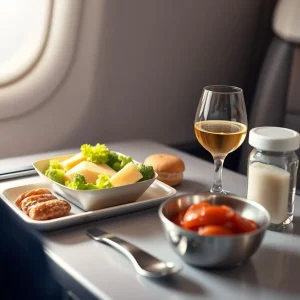
Furthermore, culinary experiences are undergoing a transformation. Gourmet dining options and personalized meal selections help cater to diverse tastes. Surveys show that 61% of travelers are willing to pay extra for quality meals. By elevating food offerings, airlines are not just feeding passengers, but also providing an unforgettable experience.
In summary, innovation is fueling a new era of premium travel. Every detail matters, from seating to cuisine. As these developments continue, expectations will rise, pushing airlines to strive for excellence. Evolution in this arena is not merely a trend; it’s a necessity for success.
Redesigning Cabin Layouts for Enhanced Space
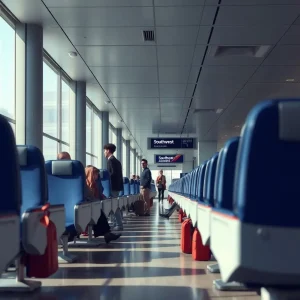
Reimagining cabin layouts is essential for optimizing passenger comfort. Airlines are increasingly focused on maximizing the available area within aircraft. This can lead to more efficient use of space, improving overall travel experience. With growing competition, airlines are investing in innovative designs to captivate travelers. A few extra inches can make a significant difference.
Recent studies show that 60% of passengers prioritize legroom when choosing flights. Therefore, creating a cabin configuration that promotes comfort is crucial. Innovations like staggered seating arrangements can provide more personal space. Some carriers have even experimented with modular designs that adapt to different travel needs.
In a market where 75% of frequent flyers express dissatisfaction with current layouts, change is not just welcome; it’s necessary. By incorporating cutting-edge designs, airlines can differentiate themselves while catering to passenger expectations. Enhanced storage solutions are also gaining traction, allowing travelers to stow personal belongings without cramping their surroundings.
As configurations evolve, so do passenger demands. Airlines are now focused on delivering flexible seating that accommodates a range of body types. This transformation is not just aesthetic; it has practical applications as well. Addressing comfort concerns directly impacts customer loyalty and satisfaction.
With technology rapidly advancing, future layouts may integrate smart features that optimize the use of space. These enhancements could lead to a more tailored experience, catering to individual preferences. Data-driven insights into passenger behaviors will further shape these evolving designs.
Smart Seating Features Revolutionizing Comfort Levels
Modern seating solutions are transforming travel experiences, enhancing passenger satisfaction. Comfort is now a key focus for airlines, prompting innovative design changes. Enhanced ergonomics, personalized adjustments, and advanced technology are becoming the norm. Travelers seek more than just a seat; they desire a personalized sanctuary.
Recent surveys indicate that over 70% of frequent flyers prioritize comfort when choosing airlines. Innovations like adjustable lumbar support and memory foam cushioning are on the rise. Interactive seating options allow users to customize their space according to personal preferences. These advancements not only improve relaxation but also promote overall well-being during journeys.
High-tech features, such as built-in massage systems and temperature control, are gaining traction. These elements work together to create a more enjoyable flying experience. As airlines invest in these state-of-the-art solutions, the seating environment becomes increasingly inviting.
Moreover, the integration of smart technology offers unique benefits. Passengers can now control their seating via smartphone apps, allowing for seamless adjustments. This level of customization ensures that everyone finds their perfect position. With analytics helping airlines understand passenger preferences, the future holds exciting potential.
As a result, airline companies that embrace these smart enhancements not only cater to customer demands but also set themselves apart in a competitive market. Enhanced comfort leads to increased loyalty, with studies showing that passengers are willing to pay more for superior experiences. In an industry where differentiation is crucial, these innovations are paving the way for remarkable travel journeys.








7 responses
Bro, I can’t wait to see what new cool stuff business class is gonna have in 2025! Like, I hope they have these sick VR headsets or something, so you can feel like you’re flying first class even if you’re in coach!
Hey, I wonder if airlines will start offering more flexible booking options in business class, like being able to change your flight last minute without huge fees. That would be a game changer for business travelers!
Wouldn’t it be awesome if business class seats were adjustable to your preferred level of firmness or softness? I feel like that would make the flying experience so much more comfortable!
Yo, do you think that airlines will start offering more entertainment options in business class, like streaming services or VR experiences? That would definitely make long flights more bearable!
Yo, I heard they’re gonna start offering personalized meal plans in business class based on your dietary restrictions and preferences. That’s gonna be so clutch for people with food allergies!
What do you think about the idea of having business class lounges on the actual planes? Like, having a mini bar and snacks available right at your seat. That would be so convenient!
Hey y’all, as a travel agent, I’m stoked to see how the industry is gonna change business class travel in the next few years. Can’t wait to see what new amenities and services they’ll come up with!