

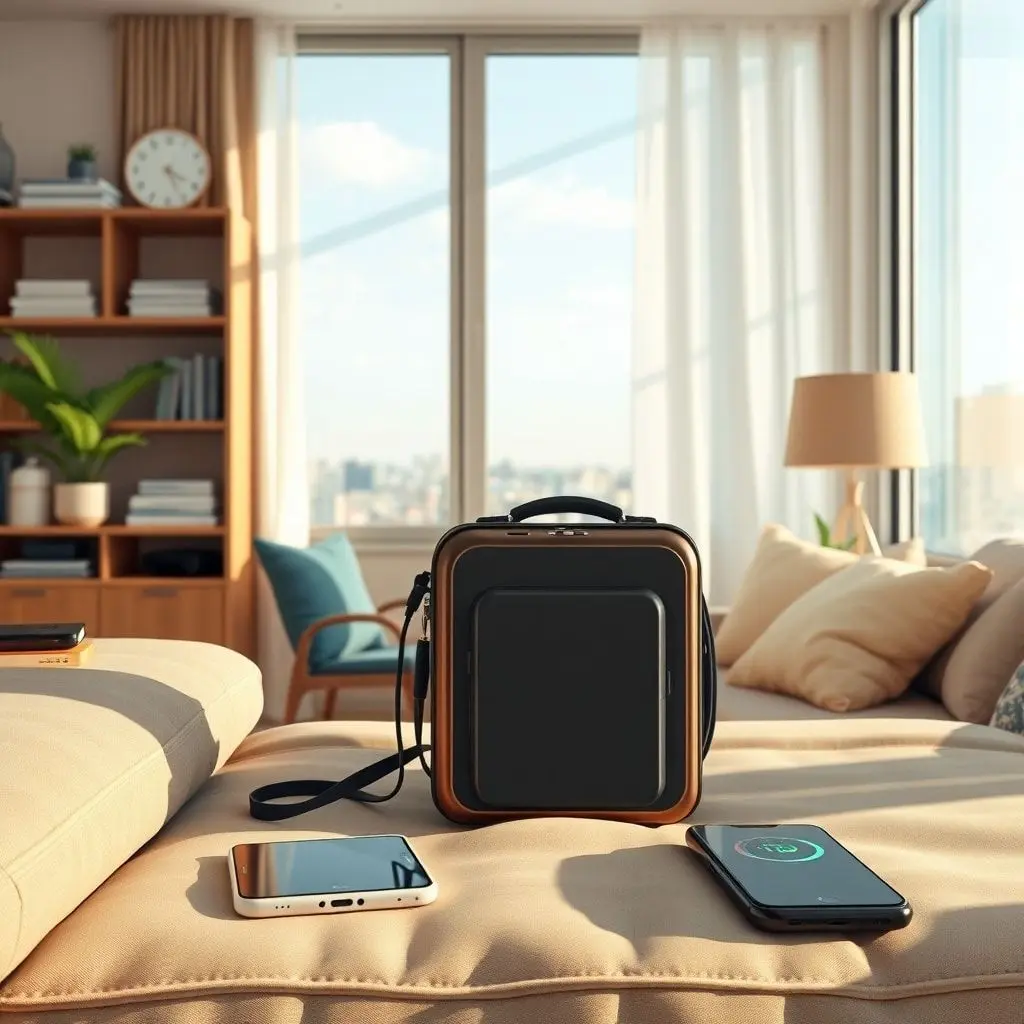
Traveling has always been an adventure, but in today’s digital age, staying connected is vital. With long hours spent in the air, ensuring your devices remain functional is a priority for many. Whether for work or leisure, the reliance on technology has become a norm. As more passengers carry multiple gadgets, the question of power availability arises. No one wants to find themselves stranded mid-flight with a dead phone or tablet.
The reality is that most modern aircraft have specific regulations regarding energy sources. Compliance with these restrictions is crucial for a smooth journey. According to recent surveys, approximately 70% of travelers express concern about their device battery levels while flying. Furthermore, some airlines have adopted policies that vary significantly in terms of what is permissible on board. Understanding these nuances can greatly enhance your travel experience.
Moreover, advances in charging technology have transformed the way we power our devices while traveling. The latest innovations offer more efficient ways to recharge gadgets quickly. It’s essential to distinguish between various types of power solutions available for use in-flight. This knowledge not only prepares you for potential issues but also ensures that you can travel without the stress of low battery anxiety.
Ultimately, being informed about usable power options during air travel could make all the difference. From portable solutions to in-flight amenities, navigating these choices does require some awareness. After all, nobody enjoys being cut off from communication when it matters most.
Understanding Airline Policies for Battery Packs and Chargers
When traveling, it’s crucial to be aware of various regulations surrounding portable power sources. Different airlines have specific guidelines regarding the transportation of energy storage devices. These rules often reflect safety concerns and aim to prevent incidents during flights. As travelers, we must navigate these policies effectively to avoid any disruptions.
For instance, most airlines restrict the capacity of lithium-ion units that can be carried onboard. Generally speaking, devices with a capacity exceeding 100 watt-hours might face restrictions or require special permissions. Furthermore, many carriers mandate that such items be packed in carry-on luggage instead of checked bags to enhance safety measures.
In 2024, approximately 15% of reported incidents related to fires on board involved malfunctioning energy units. This statistic underscores the importance of adhering to airline regulations. Consequently, understanding these policies can significantly enhance your travel experience and ensure compliance while keeping everyone safe.
Additionally, it’s essential to check with specific airlines prior to your journey, as policies may vary significantly. Some may allow larger power banks under certain conditions, while others maintain a strict limit. Remember to consider international travel as well; regulations can differ from one country to another. Always be informed before you pack.
In summary, staying updated on airline regulations for portable energy devices is vital for safe and hassle-free travel.
Key Regulations from Major Airlines
When it comes to flying, various airlines have specific rules regarding portable power sources. These regulations can significantly affect travelers with electronic devices. Understanding what is permitted will help ensure a smoother journey. Many companies prioritize passenger safety and aim to minimize risks associated with lithium-ion technology.
Most airlines have set limits on the capacity of power sources allowed in carry-on luggage. Commonly, the threshold is 100 watt-hours (Wh). However, some airlines might allow devices over this limit with prior approval. The size of the device and its battery type also play crucial roles.
- American Airlines: Limits to 160 Wh for personal items.
- Delta Airlines: Strictly prohibits batteries over 300 Wh in cargo.
- United Airlines: Allows power sources up to 100 Wh without prior notice.
- Southwest Airlines: Recommends keeping batteries below 160 Wh for ease.
In addition to watt-hour limits, many airlines advise on proper packaging. Batteries should be insulated to prevent short-circuiting. Many recommend using original packaging or tape over terminals. Regulations often vary based on the flight’s destination, which means being aware of local laws is important.
It is also essential to understand that if you’re traveling internationally, other countries may have different restrictions. For instance, some destinations have strict rules regarding lithium batteries in checked luggage. The International Air Transport Association (IATA) regularly updates its guidelines to reflect best practices. In 2024, over 1.5 million passengers faced delays due to battery-related issues, highlighting the need for awareness.
Ultimately, staying informed can save travelers from hassles and potential fines. Always check the airline’s website before packing portable power sources. Knowing the specifics can make a significant difference in travel experience.
Restrictions on Lithium-Ion Battery Sizes
The regulation surrounding the dimensions of certain power sources is crucial for safety. Many travelers are unaware of the limitations imposed on devices. Understanding these restrictions can prevent complications during airport security checks. It’s essential to grasp this topic to ensure smooth travel experiences.
Generally, the size of rechargeable energy cells is regulated by both airlines and regulatory bodies. For instance, many airlines restrict individual units to a capacity of 100 watt-hours (Wh) or less. Devices exceeding this size often require special permission or are not permitted at all. Additionally, each airline may have its own specific rules that differ slightly from industry standards.
According to the International Air Transport Association (IATA), over 90% of global airlines adhere to similar guidelines regarding power capacity. It’s worth noting that a common battery found in laptops typically holds between 30 to 60 watt-hours. However, larger devices, like some high-performance laptops and drones, can surpass the 100 Wh threshold.
Travelers must familiarize themselves with the policies set by their carriers. Certain exceptions exist, particularly for devices like mobile phones and laptops, which are generally allowed in reasonable quantities. In cases where power sources are larger than allowed, securing prior approval from the airline becomes essential. Staying informed about these technical specifications prevents unnecessary delays and enhances overall travel convenience.
Moreover, understanding the consequences of neglecting these rules is vital. Fines, confiscation of equipment, or even boarding denials can occur. Ensuring compliance not only promotes passenger safety but also protects valuable electronics. Always double-check the allowed limits before packing to avoid surprises at the airport.
Guidelines for International Travel with Batteries
When venturing abroad, it’s crucial to understand the regulations surrounding portable power sources. Many travelers are unaware that different countries have varying rules. Ignorance can lead to confiscation or even fines. Moreover, airlines may have specific restrictions. Awareness of these regulations ensures a smoother journey.
- Check the airline’s policy on energy sources before your trip.
- Always pack portable devices in your carry-on luggage.
- Understand the watt-hour (Wh) limits enforced by airlines.
- Be aware that some airports may have additional security checks.
- Take extra precautions when traveling with higher-capacity units.
For instance, many airlines allow lithium-ion products with a capacity of up to 100 Wh without special permission, while devices exceeding this limit often require prior approval from the airline company, and some may even be prohibited outright, creating potential hurdles for those who neglect to familiarize themselves with these important details.
- Label your equipment properly to avoid confusion at security.
- Consider carrying a charging case for safety.
- Avoid using damaged or faulty devices when traveling.
Additionally, always carry spare energy cells in their original packaging or with insulating tape over terminals to prevent short-circuiting, as this is a common requirement across various airports globally, thereby minimizing risks associated with mishandling during transit.
Whether you’re heading for a short trip or an extended stay, knowing these guidelines can save you time and trouble. Each country has its nuances, so diligence pays off. Stay informed to enjoy uninterrupted adventures.
Choosing the Right Battery Packs for Air Travel
Finding the suitable power sources for your journey can be challenging. With the rise in personal devices, travelers often face challenges with power availability. Selecting the correct option is essential for a hassle-free experience. A little preparation goes a long way.
When selecting a power source for travel, consider capacity and weight. Opt for lightweight models that offer high capacity. According to recent statistics, almost 80% of travelers carry at least one electronic device. Therefore, ensuring you have enough power is crucial.
Safety is paramount. Many airlines have strict regulations regarding the transport of certain products. Always check the airline’s policy on lithium-ion products. This will help avoid potential conflicts at security checkpoints. Moreover, some airlines may impose restrictions on the watt-hour rating, so familiarize yourself with these guidelines.
Compatibility is another significant factor. Choose products that work seamlessly with your devices. Investing in universal models can save you time and frustration while traveling. A reliable power source can keep your devices charged throughout your flight.
In conclusion, prioritizing capacity, safety, and compatibility will enhance your travel experience. Thoughtful selection enables you to stay connected and enjoy your time in the air. With the right approach, being powered up during your flight can be effortless.
Factors to Consider When Selecting Battery Packs
When choosing an energy storage solution, several critical aspects come into play. The right choice can enhance your travel experience significantly. Weight and size are paramount; lighter options are usually favored. Additionally, capacity must align with your requirements. Travelers often overlook the importance of compatibility.
To ensure your device functions optimally, consider the voltage and wattage ratings. For instance, a power bank with at least 20,000 mAh capacity could effectively charge smartphones multiple times. Furthermore, safety features should never be compromised. Look for certifications like UL or CE, which indicate adherence to safety standards.
Portability is essential, especially for frequent flyers. Many travelers prefer slim and lightweight models that fit easily in carry-ons. However, balancing portability with energy capacity is key. A compact unit may lack the power needed for longer journeys, whereas larger ones can be cumbersome.
Charging speed also plays a significant role. Quick charge technology can dramatically reduce waiting time. Consider the number of ports available; more ports mean you can charge multiple devices simultaneously, a feature many modern nomads appreciate.
Finally, budget considerations should guide your selection process. Evaluating the long-term value against upfront costs is wise. It’s possible to find reputable products at various price points, but sacrificing quality for savings may lead to disappointment.
Top Brands Offering Reliable Battery Solutions
In today’s world, the demand for dependable power sources has skyrocketed. With travelers seeking convenient solutions, manufacturers are stepping up. Various companies provide innovative options. Ensuring safety and efficiency is of utmost importance. The right choice can make all the difference during your journey.
Research shows that about 70% of travelers now carry portable energy sources. This trend highlights the growing reliance on these products. A strong brand reputation can often indicate quality and reliability. Some names stand out in this crowded market due to their commitment to excellence.
| Brand Name | Key Features | Average Price |
|---|---|---|
| Anker | Fast charging, compact design, high capacity | $25 – $100 |
| RAVPower | USB-C support, multiple ports, durable materials | $30 – $120 |
| Goal Zero | Solar charging options, rugged construction, versatile use | $50 – $250 |
| Zendure | Power delivery, high efficiency, stylish design | $40 – $150 |
Quality matters when considering portable energy solutions. Each of these brands has earned its place through innovation and reliability. Choosing wisely will enhance your travel experience significantly. Take the time to explore available options and find what suits you best.











16 responses
As an adventure junkie, I’ve gotta say – having a reliable battery pack is crucial when you’re out exploring remote locations. Can’t risk running out of juice when you’re in the middle of nowhere.
So, like, are there gonna be any new regulations on battery packs and chargers for air travel in 2025? I gotta stay ahead of the game, you know?
Yo, as someone who’s always on the move, battery packs and chargers are a total lifesaver when you’re traveling by air. Gotta keep all your gadgets juiced up, am I right?
Wait, so you’re telling me that some airlines might even start providing charging stations on planes in the future? That would be a total game-changer for long-haul flights!
Yo, just a friendly reminder – always make sure your battery pack is charged up before heading to the airport. Ain’t nobody got time for a dead phone when you’re trying to catch a flight.
Anyone know if there are gonna be any cool new tech features in battery packs and chargers for air travel by 2025? I’m all about that upgrade life.
Do y’all think it’s worth investing in a high-capacity battery pack for air travel, even if it’s a bit pricier? I don’t wanna be stuck without power when I’m on the go.
Hey y’all, just a heads up for my fellow wanderers – make sure you check the airline policies on battery packs. Some of ’em have strict rules, and the last thing you want is to have your gear confiscated. Trust me, it’s a major bummer.
Hey, quick question – are there gonna be any eco-friendly options for battery packs and chargers in 2025? Trying to reduce my carbon footprint while I’m globetrotting, you know?
So, like, what are some tips for picking the best battery pack for air travel? I wanna make sure I’m getting the most bang for my buck, you feel me?
That sounds perfect! I’ll have to look into getting one for myself. Thanks for the tip!
Definitely! It’s better to be safe than sorry when it comes to traveling with tech gear. Plus, you don’t want to be left without a way to charge your devices when you’re on the road.
For sure, I always pack a couple of different chargers just in case. You never know when you’ll need to top up your phone or camera battery while you’re out exploring a new city.
Speaking of which, do you guys have any recommendations for portable battery packs that are allowed on flights? I’m in the market for a new one.
So, do you guys know what the deal is with battery packs and chargers in 2025? I’ve heard rumors that airlines are getting stricter about what types are allowed on board.
No problem! I’m always happy to share my travel gear recommendations. It’s all about making the traveling experience as smooth and stress-free as possible.