

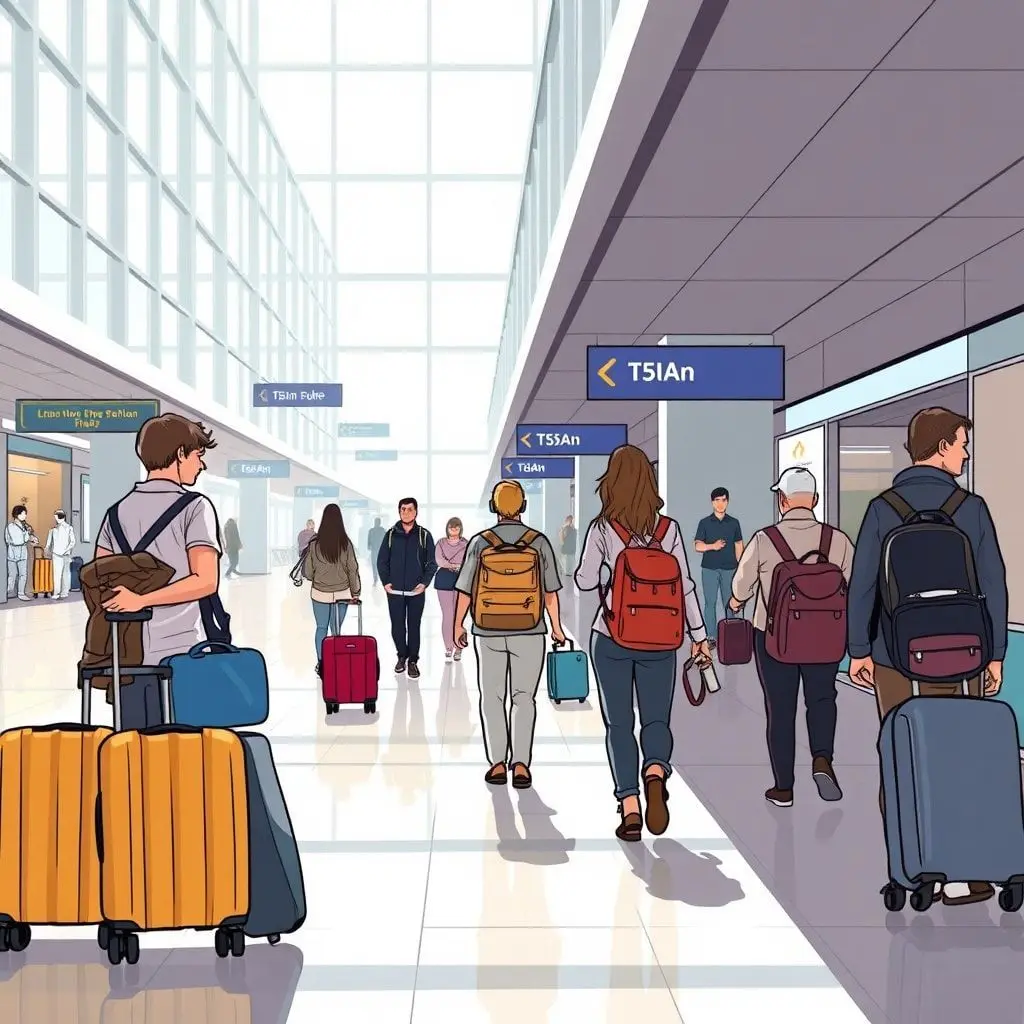
Traveling can be exhilarating yet daunting. With numerous rules to follow, preparation is key. Imagine standing in line, bags in hand, hoping everything is packed correctly. Each traveler faces the challenge of ensuring their belongings comply with security protocols. The stakes are high, especially with airlines reporting that nearly 23% of travelers experience issues with their luggage.
Understanding what can and cannot be brought on board is crucial. Restrictions vary significantly, often leading to confusion. Some items that appear innocuous might actually require special consideration. To avoid delays and unexpected hassles, it’s vital to familiarize yourself with specific guidelines.
Proper packing not only simplifies the security process but also enhances your overall journey. Did you know that approximately 5.6 million passengers pass through security checkpoints each day in the United States alone? However, many are unprepared for the scrutiny their bags may undergo. By arming yourself with knowledge, you can easily sidestep common pitfalls and streamline your travel experience.
Moreover, adhering to these guidelines not only saves time but reduces stress. A well-prepared traveler is not just punctual; they are also less likely to face penalties or have items confiscated. With the right information at your fingertips, you’ll be equipped to glide through checkpoints with confidence and ease.
Understanding TSA Carry-On Rules for Air Travel
Air travel can be a thrilling experience, yet it comes with its own set of challenges. Among these, knowing what items you can bring on board is crucial. Navigating the complexities of what is allowed can save you from unnecessary delays and headaches. Being informed helps you travel light and efficiently. Most importantly, clarity on these rules enhances your overall journey.
Every year, millions of passengers face confusion regarding personal items and luggage limits. In recent studies, nearly 40% of travelers reported issues with boarding due to misunderstanding the guidelines. The size and weight restrictions vary by airline, leading to constant adjustments and surprises at the gate. Additionally, certain products are prohibited altogether. For instance, sharp objects, flammable items, and most liquids over specific volumes cannot be taken on board.
The guidelines, while designed for safety, can sometimes feel overwhelming. Each airline may impose unique limits, so it’s wise to check both the general and specific policies. Furthermore, understanding the exceptions–like medical supplies or baby items–can make your packing strategy more effective. Remember, preparation is key. You’ll feel more at ease if you familiarize yourself with what’s permissible before you arrive at the airport.
Consider how you pack. Utilizing effective organization will not only expedite your time in security lines but help ensure that you have easy.access to essentials during the flight. In fact, studies show that travelers who plan their carry-on contents save an average of 30 minutes at checkpoints. It’s a simple strategy, but it makes a world of difference. Combating the stress of air travel starts with being well-informed and prepared.
The Importance of Knowing Carry-On Limitations
Understanding the constraints regarding personal items on board is crucial for a hassle-free journey. Many passengers overlook the significance of adhering to the permissible guidelines. This oversight can lead to delays and frustrations at the airport. Being aware of size and weight restrictions ensures smoother transitions through security and boarding.
Each airline has its own set of specifications, and these can vary significantly. For instance, a traveler may find that one carrier allows a larger bag than another. This variability can make packing more complex if you are unaware of the specific rules. In fact, statistics indicate that approximately 30% of travelers report encountering issues related to baggage policies.
- Familiarize yourself with your airline’s requirements.
- Measure your bag dimensions before heading to the airport.
- Consider using packing cubes to maximize space.
- Know what items are prohibited or restricted in your luggage.
In addition, understanding these limitations can save you time; waiting in line only to find your belongings exceed the allowed measurements can be frustrating and time-consuming. It’s essential to prepare adequately, ensuring both compliance and convenience.
Not only can this enhance your travel experience, but it also contributes to overall safety measures enforced within the aviation sector. By following the established guidelines, you help maintain security protocols and assist staff in managing the boarding process efficiently.
Size and Weight Restrictions for Carry-Ons
Understanding the limitations regarding dimensions and mass of personal items is crucial for smooth boarding. Each airline has its own specifications, and non-compliance can lead to inconvenience. Knowing these limits can save both time and frustration. Travelers should take careful note of these restrictions, as they can vary significantly between carriers.
Typically, the allowable measurements for a personal item are approximately 18 x 14 x 8 inches. However, some airlines permit a slightly larger size or may have different criteria based on the type of aircraft. The weight restrictions are equally important, as many airlines impose a maximum limit that can range from 15 to 50 pounds, depending on the specific policy.
In fact, over 30% of travelers encounter issues related to size and weight restrictions each year, leading to unexpected fees or the need to check luggage. It is advisable to weigh your bag at home to prevent surprises at the airport. Travel smart by adhering to your airline’s guidelines. Doing so enhances your overall experience and reduces stress. Always verify the latest requirements directly from the airline’s website prior to your journey.
Common Mistakes Travelers Make with Carry-Ons
When preparing for a journey, many individuals overlook essential details regarding their luggage. Planning can often take a back seat to excitement or stress. However, certain missteps can lead to unnecessary delays and complications. Understanding what to avoid is crucial for a smooth passage through security checkpoints. Awareness of frequent errors can transform the travel experience into a hassle-free adventure.
One prevalent mistake includes overpacking, which not only leads to extra weight but also increased anxiety when going through screening. Many people forget to check the weight limits imposed by airlines, risking expensive baggage fees. Additionally, some may assume that all personal items are allowed without restrictions, which often results in confusion at the screening area.
Moreover, failing to properly organize items can slow down the process significantly. For instance, having liquids improperly stored could lead to an extensive search of your bag. In fact, statistics show that nearly 30% of passengers face issues related to liquid containers during screening. People often forget that electronics, such as laptops and tablets, must be removed and placed in separate bins.
Ultimately, being mindful of these common pitfalls can save time and enhance your overall travel experience. From understanding size limitations to organizing your belongings thoughtfully, attention to detail makes a difference. Implementing these adjustments can ensure a smoother passage through checkpoints and diminish the stress associated with travel. Embrace a well-planned approach, and you will find the journey more enjoyable.
Packing Smart: Strategies for Compliant Travel
Efficient packing is key to a smooth journey. It minimizes stress and ensures all essentials are at hand. Rather than rummaging through bags at security, consider organization as a priority. Adopting strategic methods can simplify the process significantly.
Start by understanding the limitations on items allowed in bags. Many travelers often overlook specific guidelines, which can lead to delays. Take note of the most commonly restricted items:
- Liquids exceeding the allowable volume.
- Sharp objects, such as knives or scissors.
- Any sporting equipment, like baseball bats or golf clubs.
Keeping restrictions in mind can enhance your packing tactics. One effective approach is to utilize packing cubes, which not only save space but also keep items organized. Another tactic involves placing frequently used items at the top of your bag. This way, you can quickly access them when needed.
Moreover, remember that approximately 25% of all travelers encounter issues due to improper packing. This statistic highlights the importance of preparation. Consider creating a checklist to ensure everything is compliant. Include personal items, electronics, and necessary documents.
- Prioritize essential items.
- Organize documents for easy access.
- Double-check for forbidden objects.
The more systematic your packing, the less hassle you’ll face at checkpoints. In addition, maintaining a positive attitude throughout the journey contributes to an enjoyable experience. Travel is meant to be liberating, not cumbersome.
Essential Items to Include in Your Carry-On
When preparing for a journey, it’s paramount to consider what you pack. A well-thought-out selection can enhance your experience significantly. Specific items ensure comfort and convenience during travel. Balancing personal needs with practical essentials is vital. After all, you want to be ready for anything while on the move.
First and foremost, don’t forget your identification documents. They are crucial for boarding your flight. Alongside these, a boarding pass is another key item. Ensure they are easily accessible for a smooth process.
Next, consider your electronic devices and their chargers. Laptops, tablets, and smartphones are central to maintaining connectivity. According to recent figures, over 80% of travelers rely on their phones for navigation and communication. Keep them charged and handy.
Moreover, packing a small toiletries kit can make a big difference. Include items like hand sanitizer, toothpaste, and facial tissue. Remember, liquids need to be under 3.4 ounces. Consider this when organizing your supplies.
Furthermore, a light jacket or sweater may be your best friend on chilly flights. Cabin temperatures can vary widely, and being prepared ensures comfort throughout the journey. Additionally, snacks are a great way to keep your energy up. Many people prefer healthy options like nuts or dried fruits.
Don’t overlook the importance of a good book or entertainment subscription on your device. Engaging content can make long hours feel shorter. Also, a travel pillow can enhance your comfort during layovers or long flights.
In summary, a well-packed bag reflects thoughtfulness and preparedness. By prioritizing essential items, you pave the way for a more enjoyable and seamless experience while traveling.
Prohibited Items: What Not to Pack in Carry-Ons
When preparing for air travel, understanding what items are not allowed in your luggage is crucial. Certain objects can pose risks, either to passengers or to the aircraft itself. This knowledge helps ensure a smoother experience at security checkpoints. Packing carefully is key to avoiding delays and complications. It’s important to stay informed about these prohibitions.
According to recent statistics, over 6 million passengers are screened daily, with thousands of prohibited items discovered each year. This indicates a widespread lack of awareness regarding allowed and disallowed items. Understanding these restrictions can save time and frustration.
| Category | Examples |
|---|---|
| Sharp Objects | Knives, scissors, or any blade longer than 4 inches |
| Explosive Materials | Fireworks, flares, or any explosive substances |
| Flammable Items | Gasoline, lighter fluid, or any incendiary products |
| Chemicals | Bleach, sprays, or items with toxic properties |
| Self-Defense Tools | Batons, pepper spray, or other weapons |
Keeping these restrictions in mind can prevent unnecessary stress during your journey. The rules are in place to ensure everyone’s safety. Items that are commonly overlooked can lead to significant delays, and sometimes even confiscation. Always check the latest guidelines before packing, as regulations can change frequently.







45 responses
One tip I always follow is to pack my liquids in a clear, quart-sized bag to make it super easy for TSA to check ’em. Saves me a lot of time and hassle.
I heard that you can bring a water bottle through TSA as long as it’s empty. Can anyone confirm if that’s true?
Quick tip – always have your boarding pass and ID ready to go when approaching the security checkpoint. Makes the process a whole lot faster.
I know a lot of people hate the TSA process, but honestly, I’d rather go through all the checks and restrictions than risk something happening on my flight. Safety first, right?
Yo, I’m all about traveling light and breezy, so I always make sure to nail down those TSA carry-on rules. Can’t be dealing with any unnecessary hold-ups at security, you feel me?
I always feel like such a pro when I breeze through security with no issues. Makes me feel like I’ve got this whole travel thing down to a science.
So, do you guys think it’s worth investing in TSA PreCheck or Global Entry to breeze through security without all the hassle?
You know what’s annoying? Having to take off your shoes, belt, and jewelry at security. But hey, gotta do what you gotta do to get through smoothly.
Hey guys, quick question – are you allowed to bring solid foods in your carry-on bag? I always like to pack some snacks for the plane ride.
Traveling can be stressful, but knowing the TSA carry-on rules like the back of your hand can really ease some of that anxiety. It’s all about being prepared.
Hey guys, what do you think is the most important TSA rule to remember when packing your carry-on? I’d say the 3-1-1 rule is pretty high up there on the list.
Gotta make sure those laptops and tablets are easily accessible when going through security. Ain’t nobody got time for fumbling around in their bag, holding up the line.
I always see people struggling at TSA because they didn’t take off their belts or empty their pockets. Don’t be that person, y’all!
Can someone remind me if you can bring your pocket knife in your carry-on or if it has to be checked?
I make sure to have my travel-sized toiletries ready to go in a clear bag. It makes getting through security a breeze.
Yo, I swear TSA always got me stressin’. Can never remember if I can bring my oversized lotion or not. Anyone else feel me on that one?
Sometimes I wish TSA had a uniform policy at every airport. It can be frustrating when rules differ depending on where you’re flying from.
When it comes to TSA, I always err on the side of caution. It’s better to be safe than sorry when it comes to what you can bring in your carry-on.
I make sure to pack all my electronics on top of my carry-on so it’s easy to take them out at security. Makes the process so much faster!
As a travel agent, I always tell my clients to make sure they have their liquids in a clear bag. Saves so much time going through security!
Traveling can be stressful enough without having to worry about TSA regulations. But knowing the rules ahead of time can definitely help ease the anxiety.
TSA rules can be confusing sometimes, but it’s all about being prepared and knowing what to expect.
When it comes to TSA, it’s all about being prepared. Know the rules, pack smart, and you’ll breeze through security in no time.
Pro tip – invest in a good travel toiletry bag that fits the TSA regulations. It’ll save you so much hassle at security.
I always triple check my carry-on to make sure I’m not accidentally bringing anything that’s not allowed. TSA can be so strict sometimes.
Hey y’all, quick question – can you bring your laptop charger in your carry-on or does it have to go in your checked bag?
I always check the TSA website before I fly to make sure I’m up to date on the rules. It’s saved me a lot of time and hassle at security.
Does anyone else always feel like they’re forgetting something when they’re going through TSA? I hate that feeling!
Can someone confirm if you can bring a sealed bottle of water in your carry-on or if that’s a no-go?
Hey guys, quick question – can you bring your nail clippers in your carry-on or do those have to be checked?
TSA can be a pain, but as long as you know the rules and plan ahead, you’ll be just fine.
Can someone clarify if you can bring an umbrella in your carry-on or if that has to be checked?
I always wear slip-on shoes to the airport to make getting through security a little easier. No one wants to be fumbling with laces when there’s a line behind you.
I’ve definitely had to throw away some expensive toiletries at security because I forgot about the 4 oz rule. Learn from my mistakes, people!
Sometimes I forget to take out my big bottle of hand sanitizer and TSA gives me the side eye. Gotta remember those 4 oz limits!
Can anyone remind me if you can bring a razor in your carry-on or if it has to be in your checked bag?
Have any of you had trouble with TSA because you accidentally packed something you weren’t supposed to?
I’ve seen people hold up the line at TSA because they forgot to take out their laptops. Don’t be that person, y’all!
Knowing the rules for carry-on items is key to a stress-free travel experience. Just do your homework before you head to the airport.
Question for everyone – what’s your go-to tip for making the TSA screening process go smoothly?
Yo, TSA agents can be so strict sometimes. I swear they have no chill when it comes to enforcing those rules.
Question for all you seasoned travelers – how do you make sure you’re not bringing any prohibited items in your carry-on?
I always pack a spare clear bag in case mine breaks while going through security. It’s a lifesaver!
I hate having to take off my shoes at security, but I guess it’s better than getting stuck behind someone who brings a whole water bottle in their bag.
I’ve had TSA confiscate some pretty ridiculous things from me over the years. Learn from my mistakes and always double-check your carry-on before you head to the airport.