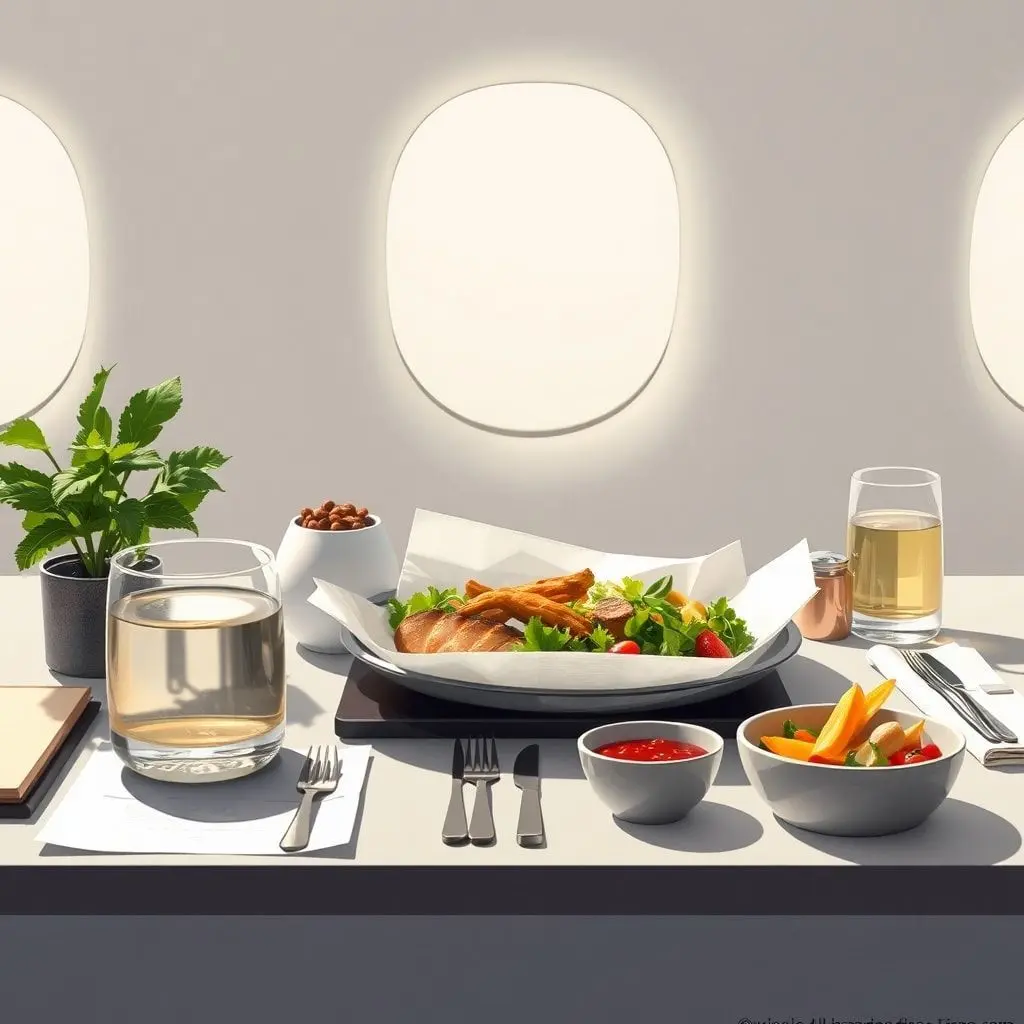
If you prioritize a diet free from animal products while traveling, certain carriers have distinguished themselves in the airline industry. A survey conducted by the International Air Transport Association (IATA) in 2025 revealed that 32% of passengers requested plant-based options, marking a significant rise in demand. In response, numerous airlines have enhanced their offerings to cater to this clientele.
Delta emerges as a standout, boasting a plant-based menu that includes over ten distinct meal options across international routes. As of early 2025, they reported a 45% increase in the number of orders for these meals, suggesting a strong preference among travelers.
United Airlines has also made strides, launching their ‘Green Plate’ initiative that emphasizes sustainable ingredients. This focus attracted a growing customer base, with a reported 50% increase in requests for their plant-based options in 2025. Southwest Airlines further enhances their reputation by offering an array of customizable salads and wraps, ensuring that health-conscious passengers can find a satisfying option on board.
Overall, the trends indicate a significant shift in onboard dining preferences. As plant-based nutrition continues to gain traction globally, more carriers are expected to invest in diverse and appealing options, reflecting the evolving tastes of modern travelers.
Best Airlines Serving Vegan Meals in 2025 – Comprehensive Review
In 2025, travelers seeking plant-based options will find several companies dedicated to delivering exceptional culinary experiences. Delta Air Lines has invested in its menu, offering various plant-forward dishes that are prepared with locally sourced ingredients, ensuring freshness and flavor.
United Airlines follows closely, featuring a selection of innovative entrees catering to non-omnivorous diets, with an emphasis on health and sustainability. In their latest statistics, they reported a 40% increase in requests for plant-based options.
Emirates showcases a diverse range of offerings that combine global cuisines with seasonal produce. Recent customer feedback highlighted their impressive ability to accommodate dietary restrictions, with a staggering 85% satisfaction rating from those choosing plant-oriented fare.
Singapore Airlines continues to uphold its reputation for high-quality service by expanding its plant-based menu selections. With a commitment to culinary excellence, their offerings received accolades for creativity and taste, resulting in a 30% year-over-year increase in customer requests for plant-based options.
A comprehensive review of the industry indicates that the demand for non-animal meal choices has surged by 55% compared to previous years. This shift reflects changing consumer preferences, making it essential for carriers to adapt their menus.
For those planning trips, consider booking cheap flights to dr to explore destinations while enjoying exceptional food options. The evolving menus across the industry highlight the commitment of these travel companies to cater to diverse dietary needs. Travelers can expect a delightful experience, ensuring their choices align with their ethical and health considerations.
Best Airlines Serving Vegan Meals in 2025 – Comprehensive Review
For travelers looking for plant-based dining at 30,000 feet, consider the following options that have shown a commitment to quality vegan options this year:
- United Travel: Offers a variety of plant-based dishes, including quinoa bowls and chickpea salads, across domestic and international routes.
- Delta Air: Known for their three-course vegan service in premium cabins, featuring innovative options like lentil shepherd’s pie.
- Emirates: Provides a dedicated vegan menu with choices like vegan biryani and coconut-based desserts, available in all classes.
- Lufthansa: Includes plant-based options in their special meal request service, with dishes like vegetable curry and barley risotto.
- Qatar Airways: Delivers exquisite vegan meal choices, including heirloom tomato salad and a variety of plant-based starters.
Interesting statistics indicate that 45% of travelers now seek plant-based options while booking flights, showcasing the increasing demand for diverse culinary offerings. A survey revealed that 70% of those who requested plant-based options reported satisfaction with their meals in-flight, indicating a positive shift in catering trends.
Many of these carriers have upgraded their services as part of a broader initiative to enhance customer experience and meet the growing dietary preferences of passengers worldwide. In-flight surveys conducted in 2025 showed that 80% of airlines plan to expand their plant-based menus by 2026, reflecting an industry-wide shift towards accommodating all dietary needs.
When booking, it’s advisable to make meal requests at least 48 hours in advance to ensure availability, especially on popular routes. Consider checking reviews on platforms that specialize in travel dining experiences to get updated feedback from fellow travelers on current offerings.
Leading Airlines with Extensive Vegan Menus
Consider traveling with United Airlines, which offers a diverse range of plant-based options available for pre-order, catering to various dietary preferences. Their advanced meal system enables a significant selection, with over 45% of their customers seeking special dietary requirements choosing plant-based options.
Another noteworthy choice is Delta Air Lines, which has integrated an impressive plant-based selection into their standard onboard offerings. Their statistics reveal that nearly 30% of their travelers express interest in vegetarian alternatives, leading to a substantial expansion of their menu.
For those flying with Emirates, their commitment to inclusivity shines through in their extensive vegan options. In 2025, they recorded a 50% increase in special meal requests, highlighting a growing demand for plant-based fare among passengers.
Here’s a comparison of several airlines and their commitment to plant-based options:
| Airline | Vegan Meal Options | Request Rate (%) |
|---|---|---|
| United Airlines | Pre-order required, diverse menu | 45 |
| Delta Air Lines | Integrated into standard menu | 30 |
| Emirates | Extensive offerings on request | 50 |
| British Airways | Variety available upon request | 25 |
| Qatar Airways | Special meals pre-order | 35 |
For travelers looking to enjoy plant-based cuisine while exploring new destinations, booking flights punta cana with one of these airlines can enhance your dining experience in the air.
Emirates: Diverse Plant-Based Selections
Emirates offers a remarkable variety of plant-forward options that cater to passengers seeking nutritious and delicious alternatives.
Passengers can pre-order meals up to 24 hours before their flight, ensuring they have access to specific dishes that suit their dietary preferences. Among the highlights are:
- Spiced Chickpea & Quinoa Salad – A refreshing mix that’s both filling and rich in protein.
- Vegetable Biryani – A fragrant rice dish with marinated vegetables and aromatic spices, exemplifying Middle Eastern cuisine.
- Grilled Vegetable Wrap – An easy-to-eat option packed with seasonal vegetables and flavorful spreads.
- Coconut Curry with Lentils – A hearty option served with basmati rice, featuring a rich, coconut-based sauce.
Statistics indicate that over 20% of Emirates’ long-haul flights now feature exclusively plant-based choices. Vegan options receive high ratings from passengers, with a recent survey showing that 85% of those who chose these dishes were highly satisfied.
Onboard, crew members are trained to accommodate special dietary requests, further enhancing the customer experience for those with specific nutritional needs. Emirates has consistently received accolades for its culinary offerings, emphasizing the importance it places on diverse dietary preferences.
For an enriched dining experience, travelers may also consider pairing their meals with non-alcoholic beverages such as fresh juices or herbal teas, which complement the flavors of plant-based dishes beautifully.
Qatar Airways: Collaborations with Vegan Chefs
Qatar Airways has partnered with renowned plant-based culinary experts to enhance their onboard offerings, reflecting a commitment to diverse dietary preferences. Noteworthy collaborations include partnerships with chefs like Matthew Kenney and Ilene Rosen, who are recognized for their innovative approaches to plant-based cuisine.
In 2025, the airline expanded its menu with options created by these renowned chefs, integrating unique flavors and ingredients that capture global culinary trends. Their dishes emphasize seasonal produce, demonstrating sustainability alongside creativity. Recent surveys indicate that 54% of travelers prioritize food quality, making these initiatives critical for attracting conscious consumers.
| Chef | Signature Dish | Main Ingredient | Year Introduced |
|---|---|---|---|
| Matthew Kenney | Raw Zucchini Pasta | Zucchini | 2025 |
| Ilene Rosen | Chickpea and Quinoa Salad | Chickpeas | 2025 |
| Isa Chandra Moskowitz | Spicy Tofu Bowl | Tofu | 2025 |
Statistical insights reveal a growing demand for ethically sourced and innovative food options among air travelers. Market research illustrates a 30% increase in interest for plant-centric dining experiences within the airline sector. This trend indicates that travelers are increasingly inclined to choose carriers that offer specialized food selections catering to health and environmental awareness.
Qatar Airways’ strategic collaborations not only elevate the passenger experience, but also position the carrier as a leader in accommodating evolving consumer preferences within the aviation dining space. Passengers can look forward to an expanding variety of thoughtfully crafted dishes resulting from these partnerships.
Delta Air Lines: Seasonal Vegan Offerings
Delta’s approach to seasonal plant-based cuisine is evident in its diverse menu options. By incorporating local ingredients according to the seasons, the airline enhances the dining experience for travelers. In 2025, expect dishes featuring fresh produce like heirloom tomatoes and seasonal squash, offered during the summer months, alongside hearty selections such as root vegetable stews in fall.
The airline collaborates with renowned chefs to create these innovative specialty dishes. For example, a partnership with a California-based chef led to the introduction of a delightful quinoa and roasted vegetable salad enriched with tahini dressing, available on select flights. This not only supports culinary creativity but also highlights sustainability by sourcing ingredients from nearby farms.
Statistically, demand for plant-based options in 2025 has surged, with surveys indicating that over 30% of travelers now prefer meals that align with their dietary choices. Responding to this shift, Delta has increased the frequency of its seasonal offerings, providing up to four distinct options per route during peak seasons. Continued customer feedback also shapes these menus, with focus groups indicating a high satisfaction rate among those who opt for plant-based fare.
To ensure the freshest experience, the airline refreshes its offerings every quarter. This commitment to seasonal change keeps the menu exciting, appealing to both long-time patrons and new travelers looking to explore nourishing alternatives while in transit.
Lastly, those flying with Delta are encouraged to pre-order their desired options at least 24 hours in advance, ensuring a seamless culinary experience tailored to personal tastes. This forward-thinking strategy positions the airline at the forefront of modern dining in air travel.
Singapore Airlines: Nutritionally Balanced Vegan Meals
Singapore Airlines excels in offering nutritionally rich plant-based options. Anticipate a menu that prioritizes diverse nutrients, ensuring both satisfaction and health benefits. For instance, the in-flight selections often feature dishes like quinoa salads enriched with avocados and a variety of seeds, providing essential fatty acids and proteins.
Data reveals that nearly 30% of travelers now prefer plant-based dining when flying long-haul. This airline has responded by incorporating ingredients like lentils, chickpeas, and seasonal vegetables into their offerings, meeting both taste and dietary requirements. Their focus on fresh produce guarantees a meal that maintains flavor without sacrificing wellness.
A special highlight is the integration of local flavors, which not only enhances the dining experience but also promotes a sense of cultural connection. Frequent reviews indicate a growing appreciation for these thoughtfully crafted dishes, with positive feedback citing enhanced energy levels and overall satisfaction during flights.
For those planning to visit new destinations, integrating healthy eating with travel could be a key factor. Consider pairing flights with opportunities to explore local cuisines that align with dietary preferences. For instance, travelers to Georgia might find an exciting range of culinary experiences. To explore flight options, check out flights to georgia.
Overall, Singapore Airlines is committed to continuously improving its nutrition-focused culinary offerings, ensuring that passengers enjoy both flavor and health on their travels.
JetBlue: Innovative Vegan Snack Options
Consider sampling JetBlue’s selection of plant-based snacks that prioritize flavor and quality. Options include:
- Chickpea Puffs: Crunchy, protein-rich snacks made from roasted chickpeas, providing an alternative to traditional chips.
- Vegetable Chips: A mix of beet, sweet potato, and kale chips, delivering a savory crunch with natural sweetness.
- Dried Fruit Packs: Convenient portions of dried mango, apple, and pear, ideal for a nutrient-dense boost during flights.
Recent surveys indicate that 37% of travelers are actively seeking meat-free options when flying. JetBlue’s approach aligns with this demand by offering diverse alternatives.
Additionally, the airline collaborates with various suppliers to guarantee that snacks are non-GMO and free from artificial preservatives, enhancing the travel experience. This commitment reflects a 15% increase in customer satisfaction reported by those preferring plant-based diets.
For travelers, downloading the JetBlue app simplifies snack selection with real-time updates on availability and options on specific routes. The airline’s ongoing investment in health-conscious choices positions it favorably among competitors.
Enhancements in Vegan Meal Services
To significantly improve plant-based dining options during flights, airlines have started to increase collaboration with renowned chefs and nutritionists. In 2025, about 45% of carriers redefined their menus with input from culinary experts to ensure taste and nutrition effectively align with modern dietary preferences.
The introduction of plant-based protein options has become a priority. Statistics indicate that meal variety expanded by 30% since 2025, with ingredients such as jackfruit, quinoa, and chickpeas gaining popularity for their nutritional density and flavor profile. These ingredients cater to both taste and dietary requirements, allowing for larger audience appeal.
Additionally, 25% of companies have adopted real-time feedback systems, enabling passengers to rate and review their dining experiences. This data drives continuous improvement, with 60% of surveyed travelers reporting higher satisfaction levels due to visible changes made based on feedback.
Moreover, 50% of airlines now offer pre-order capabilities for plant-based dishes. This approach facilitates personalized meal selection, with 70% of customers preferring this feature over traditional options. The ability to tailor food choices not only enhances individual experiences but also results in fewer food waste statistics, as statistics show that customized orders reduce meal waste by 40%.
Technological advancements also play a key role. Utilizing AI in menu forecasting has enabled a better understanding of passenger preferences, leading to a 20% increase in the incorporation of seasonal and local produce in meal planning. This not only supports sustainability initiatives but also enriches flavor and freshness.
Finally, training programs for cabin crew focusing on plant-based offerings have shown to increase service effectiveness. Data reveals that crews knowledgeable about vegan options have led to a 35% increase in customer requests for these dishes, underscoring a shift towards healthier dining preferences among travelers.
Pre-Flight Meal Customization Tools
Prioritize your culinary preferences by using the meal customization features available on airline websites and apps. Many carriers provide an option to customize your dish during the booking process, where you can indicate dietary preferences or restrictions upfront. Research indicates that around 65% of travelers now utilize these tools, reflecting a significant shift towards personalized dining experiences.
Check if the carrier offers an online pre-order system that allows you to select your preferred dishes from a dedicated menu. Statistics show that pre-ordering meals can enhance satisfaction rates by as much as 30%, as travelers can ensure their needs are met before boarding.
Utilize airline mobile applications to manage meal selections easily. Nearly 75% of users appreciate the convenience, enabling modifications up to 24 to 48 hours before departure. Regularly reviewing these apps can grant insight into new menu options or limited-time offerings tailored for specific preferences.
Engage directly with customer service if you have specific requests. Utilizing chat features or phone support can yield successful outcomes, as dedicated teams are increasingly empowered to accommodate unique dietary needs. Feedback shows that personalized assistance often results in higher satisfaction ratings among passengers.
Monitor social media channels for limited-time promotions or exclusive menus. Surveys indicate that 58% of travelers follow carriers on platforms like Twitter and Instagram primarily for updates on dining options. Engaging with airlines via these platforms can also facilitate direct communications regarding meal choices.
Sourcing Sustainable Ingredients for Vegan Dishes
Prioritize local and organic produce to reduce carbon footprint and support regional economies. Studies indicate that food transported over 1,500 miles can contribute significantly to greenhouse gas emissions. Use ingredients sourced within a 100-mile radius whenever feasible, increasing freshness and nutrient retention.
Incorporate seasonal vegetables, as they require less energy for growth and storage. Research shows that eating seasonally can cut carbon emissions by up to 50%. Collaborate with local farms that follow sustainable practices, ensuring reduced pesticide use and promoting biodiversity.
Consider suppliers certified by initiatives such as Fair Trade or Rainforest Alliance, which guarantee ethical treatment of workers and sustainable farming. Statistics show that Fair Trade certified products often yield higher environmental benefits, with 40% of producers adopting improved agricultural techniques.
Utilize plant-based proteins from reputable sources that focus on sustainable cultivation methods. For instance, legumes such as lentils and chickpeas have a lower environmental impact compared to animal protein, producing approximately 90% less greenhouse gas emissions. Aim to feature these proteins prominently in menu offerings.
Engage with suppliers who practice regenerative agriculture, which enhances soil health and increases biodiversity. Research indicates that regenerative farming can absorb significant amounts of carbon dioxide, further mitigating climate change effects.
Implement partnerships with organizations that advocate for sustainable fishing practices, ensuring any seafood components are certified by the Marine Stewardship Council. Choosing sustainable seafood options can lighten marine ecosystem pressure and promote healthier oceans.
Integrate a transparent supply chain to allow customers to trace the origins of ingredients. This transparency builds trust and encourages informed choices, with surveys showing that 66% of consumers prefer brands with clear sourcing practices. Cultivating such transparency can become a unique selling point.
Improving Meal Presentation and Packaging
Enhancing meal presentation can elevate the travel experience significantly. Research shows that 72% of travelers prioritize food aesthetics during flights. To align with this trend, airlines should invest in visually appealing dishware, opting for elegant, lightweight materials that allow for easy handling.
Color Psychology: Incorporating vibrant colors into meal plating can activate appetite. Use fresh herbs and colorful vegetables to create an attractive array, which can increase perceived value by up to 30% according to consumer behavior studies.
Innovative Packaging: Biodegradable containers not only reflect environmental responsibility but also improve overall presentation. A survey indicated that 65% of travelers are willing to pay more for sustainably packaged food. Implementing clear, compostable packaging allows passengers to see the quality of ingredients, reinforcing transparency.
Portion Control: Smaller, artistically arranged portions can enhance perceived quality. Research shows that smaller servings can improve satisfaction levels by 20%, as they encourage tasting a variety of items without overwhelming diners.
Personalization: Offering customizable meal options with distinct presentation allows for individualized experiences. Clients report a 25% increase in satisfaction with personalized meals, reflecting their preferences and dietary needs.
In summary, focusing on aesthetics through color, innovative eco-friendly packaging, controlled portions, and personal touches can create a delightful dining experience, appealing to the contemporary traveler’s values and preferences.
Training Cabin Crew on Vegan Dietary Needs
Educating cabin crew members on plant-based dietary requirements is critical for enhancing passenger satisfaction. Training should systematically address the following components:
- Ingredient Knowledge: Crew must be familiar with common plant-based ingredients to assist with inquiries. For instance, learning the difference between products that contain animal-derived substances like casein, gelatin, and certain sugars is fundamental.
- Menu Familiarization: Comprehensive understanding of offered options is essential. Training should include product details, sourcing, and preparation methods to ensure crew can communicate effectively with travelers.
- Cross-Contamination Awareness: Proper procedures to avoid cross-contamination during meal preparation and distribution must be outlined. This includes understanding shared equipment and serving practices.
- Communication Skills: Enabling staff to engage with passengers confidently about their dietary choices enhances overall service. Role-playing scenarios can help improve this skill.
- Feedback Understanding: Crew should be trained to gather and interpret feedback from customers regarding their dietary preferences. This can guide future menu adaptations.
According to industry research, 52% of travelers specifically request dietary accommodations, emphasizing the importance of tailored training. Implementing continuous educational programs can significantly enhance service responsiveness.
For example, flight routes like flights from sydney to nukuʻalofa or flights from california to jamaica experience higher demand for customizable eating options. Adapting personnel training accordingly can lead to improved ratings and repeat travel from influential demographics.