Understanding Flight Cancellations at Toronto Airports
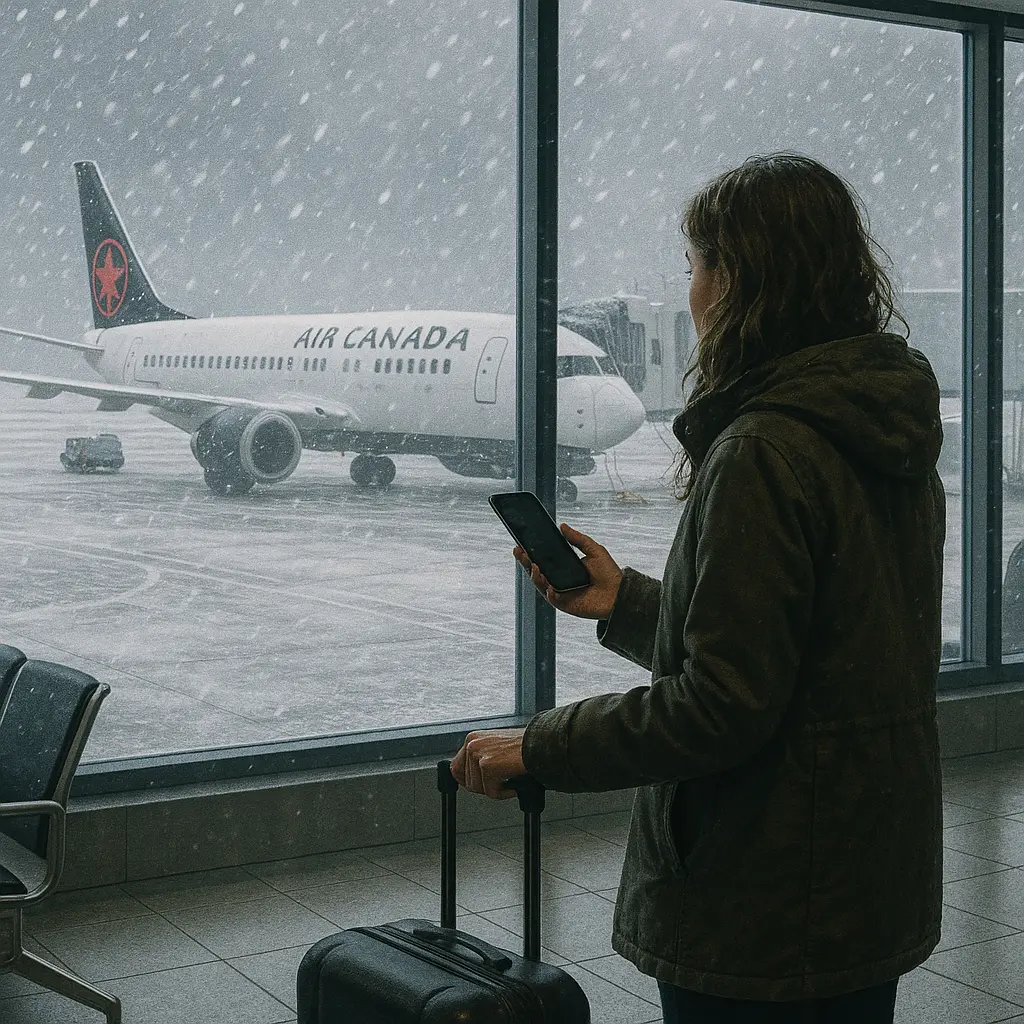
Recently, a severe snowstorm caused major disruptions at Toronto’s Pearson International Airport and Billy Bishop Airport. Over half of all flights were cancelled, which is a significant event for travelers. If you are planning to travel in or out of Toronto, it is crucial to be aware of such weather-related disruptions.
How Weather Impacts Travel Planning
Weather can have a big impact on travel plans. When storms occur, airports often cancel flights to ensure safety for passengers and crew. For Toronto, the recent snowstorm led to about 65% of departing flights and 64% of arriving flights being cancelled. This means that many travelers had to change their plans unexpectedly.
What Travelers Should Know
- Always check your flight status before heading to the airport.
- Be prepared for possible delays or cancellations during severe weather.
- Consider alternate travel dates or routes if you are affected by cancellations.
Types of Travelers Affected by Flight Disruptions
Different types of travelers may face unique challenges during flight cancellations. Here are some examples:
- Business Travelers: Missing a flight can mean missing important meetings. It’s wise for business travelers to plan for extra travel time and have flexible schedules.
- Vacationers: For those traveling for leisure, cancellations can disrupt holiday plans. Consider travel insurance to protect against unexpected changes.
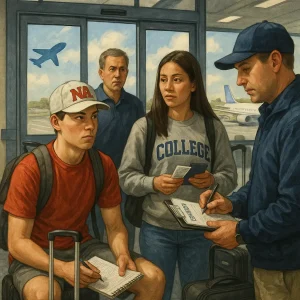
- Families: Traveling with children can be more complicated during cancellations. Have backup plans and snacks ready to keep them comfortable.
Planning Scenarios During Severe Weather
When facing severe weather and potential flight cancellations, consider the following scenarios:
- If your flight is cancelled, check for the next available flight options.
- Inquire about your airline’s policy on changing flights without fees.
- Consider alternate airports nearby if flights are grounded.
Booking and Scheduling Considerations
When booking flights during the winter months, here are some key points to think about:
- Book flights with flexible cancellation policies.
- Choose morning flights, which are less likely to be affected by weather.
- Stay informed about weather forecasts leading up to your travel date.
What to Expect After a Weather Disruption
After a storm, airports and airlines work hard to get back on schedule. Here’s what you can realistically expect:
- Flight schedules may take time to return to normal.
- Airlines may prioritize rebooking affected passengers first.
- Be patient and stay updated through your airline’s communication channels.
“I never thought a snowstorm could ruin my travel plans. Now I always check my flight status before I leave home.”
“Traveling with kids during a snowstorm is tough. I wish I had a backup plan.”
Analyzing the Impact of Weather on Travel Demand
Severe weather events like snowstorms affect travel demand significantly. During such events, travelers may choose to postpone their trips or look for alternate routes. This can lead to fluctuations in flight availability and prices. Understanding these patterns can help travelers make better decisions in the future. Here are some practical implications to consider:
- Travelers should be aware that demand for flights may increase after a storm as people reschedule their travel.
- Airlines may raise prices for flights that are in higher demand post-cancellation.
- Planning ahead can save money and reduce stress during peak travel times.
In summary, staying informed and flexible is key to navigating travel during winter weather disruptions. Always check flight statuses, understand your options, and prepare for unexpected changes.