MONTEGO BAY, Jamaica (USA TODAY) — Honeymooners Tiera Coleman and Laquon Triplett have had two flights home to Milwaukee canceled as Hurricane Melissa, the first-ever Category 5 cyclone to strike Jamaica, continues to devastate the island.
“Loud Bangs on the Ceiling”: Honeymooners Ride Out the Storm
Making landfall on October 28, Hurricane Melissa brought catastrophic winds up to 185 mph, flash flooding, and severe storm surge, according to the U.S. National Hurricane Center.
The storm — the strongest tropical cyclone in the world this year — has already caused several deaths and injuries. Many residents and tourists, including Coleman and Triplett, are sheltering in place as the hurricane weakens slightly and moves toward Cuba.
As of Monday, the couple said they are waiting out the storm in their room at a resort roughly 40 minutes from Montego Bay. The property is running on backup generators with limited food supplies available.
“There have been loud bangs on the ceiling, and our doors are shaking,” Coleman told USA TODAY.
“Most of the palm trees are down, and some parts of the resort property are damaged.”
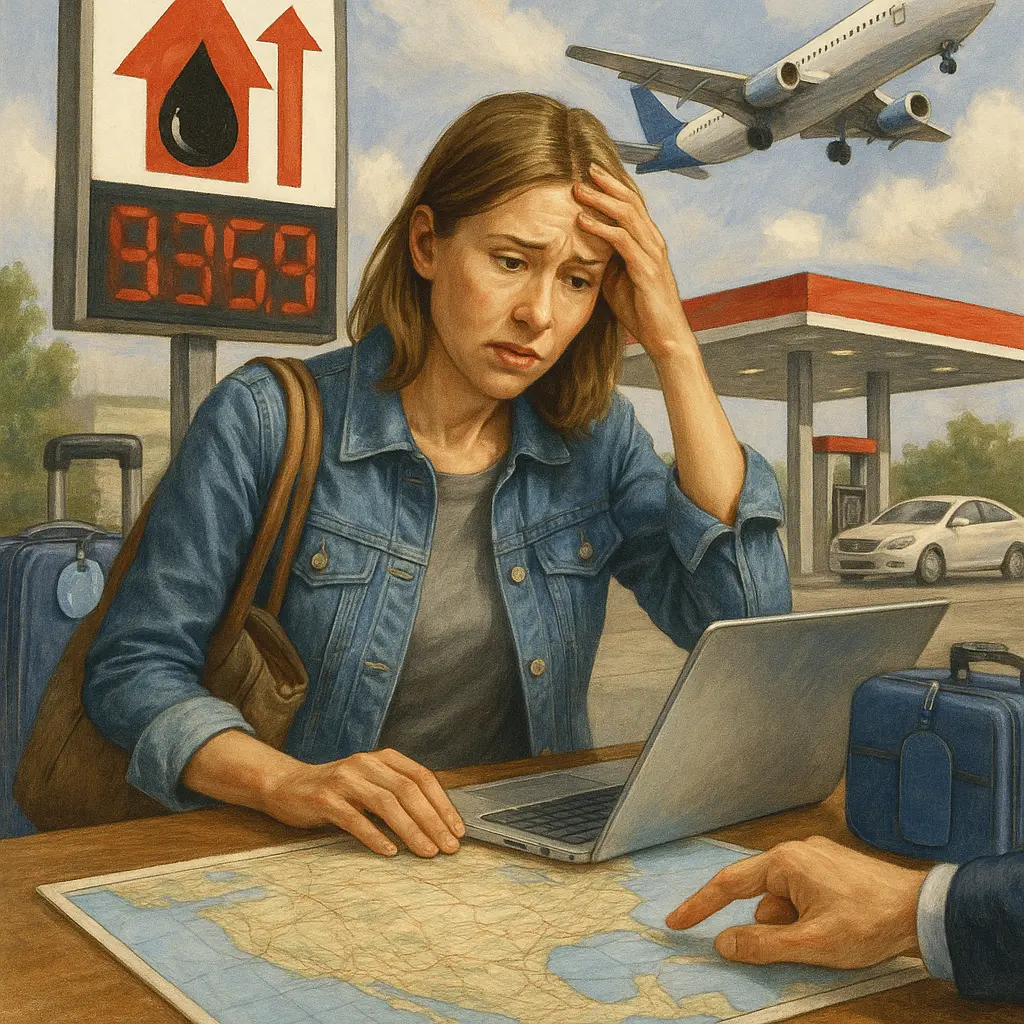
Two Flights Canceled — and Growing Financial Strain
Coleman and Triplett said they first heard about the tropical storm on Saturday and tried to move their Monday flight to an earlier departure. But all flights filled up too quickly.
Now, they’re hoping to fly out on October 31 if conditions improve and roads reopen.
“We’ve had to pay for extra days at the resort out of pocket,” Coleman said. “It’s added a lot of financial stress to the situation.”
Their story mirrors that of many travelers currently stranded in Jamaica, a country beloved for its beaches and resorts but now facing widespread flooding and damage.
Jamaica’s Preparedness: “Your Safety Is a Top Priority”
Despite the destruction, experts say Jamaica’s government and hospitality industry are experienced in hurricane preparedness and response.
“Fortunately, the Government of Jamaica, the tourism industry, and our travel partners are experienced in hurricane preparedness and response,” the country’s official tourism website stated.
“Our teams are very organized and in continual communication. You can be assured that your safety and comfort is a top priority.”
The Jamaican government issued an official hurricane warning on October 24, several days before landfall.
Mike Ballard, director of intelligence at Global Guardian, an international security firm, said most modern hotels in the Caribbean are designed to withstand hurricanes to a certain extent.
“A lot of these hotels and resorts, especially modern ones, are built to withstand hurricanes,” Ballard explained.
“I don’t know how many can handle 185 mph winds, but windows and structural elements are usually rated for these zones.”
How Resorts Are Handling the Crisis
Many hotels are equipped with generators and stockpiles of food, fuel, and plywood to protect vulnerable sections. Staff are trained to communicate safety procedures and guide guests during severe weather.
There are also 881 official shelters across Jamaica, mainly for residents in low-lying or coastal areas.
In one viral TikTok video, another honeymooning couple at the Excellence Oyster Bay Resort said they were advised to pack emergency bags with essentials in case evacuation to a shelter became necessary.
“Global Guardian has a handful of clients in Jamaica right now,” Ballard said. “They’re fine for now.”
The Real Challenge: Getting Home
While most tourists are safe during the hurricane itself, Ballard noted the real struggle comes after the storm.
“Most folks don’t have a real issue during the hurricane — it’s really the aftermath when things are chaotic,” he said.
“The airport may be shut down for a while, depending on the need for humanitarian or emergency relief.”
Several major airlines, including American Airlines, have issued travel alerts for airports in the hurricane’s path, offering extra evacuation flights, capped airfares, and larger aircraft before shutdowns.
Ballard urged travelers to follow official guidance from resort staff and local authorities.
“Listen to the folks who live there — they’ve been through this before,” he said.
“They’ll know the best way to hunker down and stay safe.”