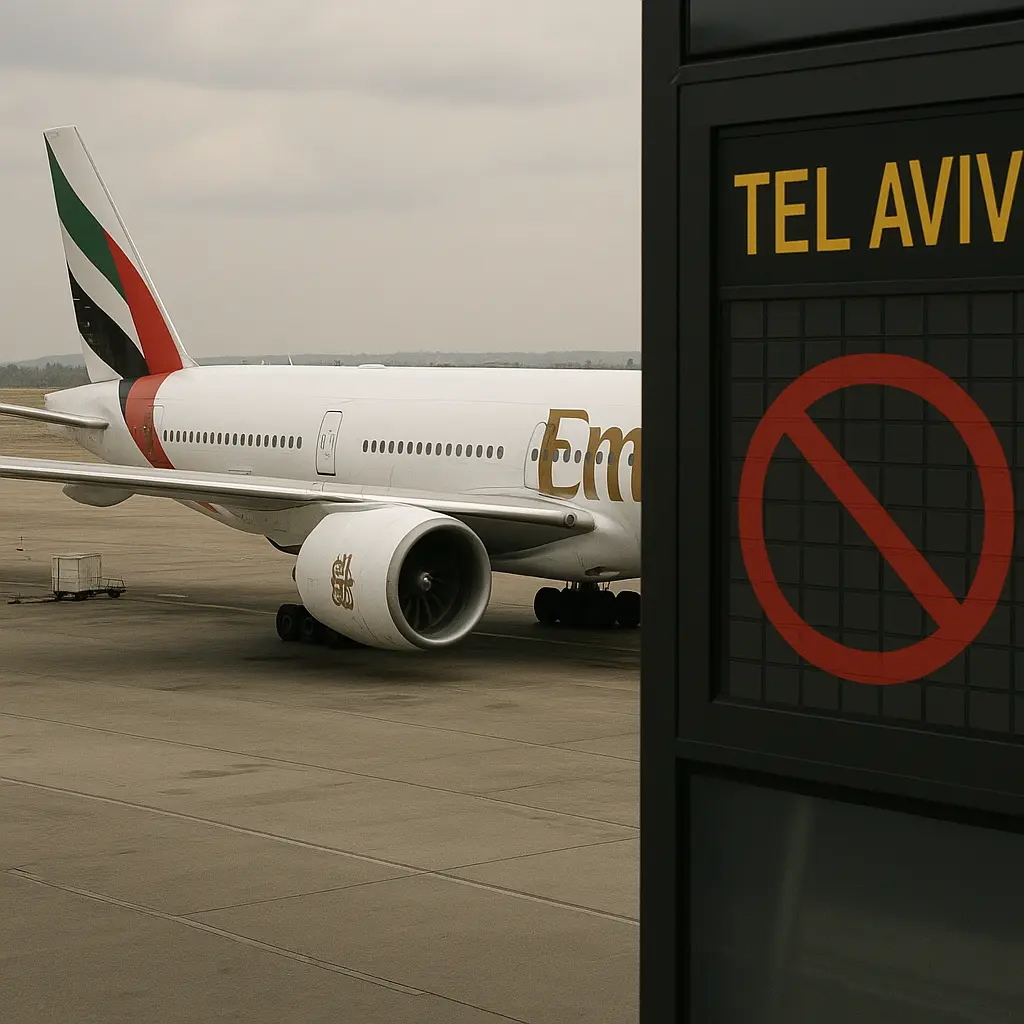
Understanding the Termination of Emirates Flights to Tel Aviv: What Travelers Need to Know
Emirates Airlines has stopped all flights to Tel Aviv, Israel. This decision is important for travelers because it affects travel options between the UAE and Israel. Knowing what this means can help you plan your trips better.
Context of Emirates’ Decision and Its Travel Impact
Emirates started flying to Tel Aviv in June 2022, following the Abraham Accords. This agreement improved relations between Israel and the UAE. The flights were popular, increasing from one to three daily flights due to strong demand. However, after safety concerns arose from conflicts in the region, Emirates suspended these flights. Ultimately, they decided to end this service completely.
How the Change Affects Different Types of Travelers
- Business travelers may find fewer direct options to reach important meetings in Tel Aviv.
- Leisure travelers looking to visit Israel might need to consider other airlines or routes.
- Travelers planning trips to Dubai from Israel will need to adjust their plans.
Travel Planning Scenarios After Emirates’ Withdrawal
With Emirates no longer flying to Tel Aviv, you might face some planning challenges. Here are a few scenarios to think about:
- If you had a flight with Emirates, contact your booking agent for alternatives or refunds.
- Consider flying with other airlines, like flydubai or Etihad, which still have services to Tel Aviv.
- Look into connecting flights through other hubs if direct routes are limited.
Things to Consider When Booking
When booking your travel, keep these factors in mind:
- Check for the latest flight availability with alternative airlines.
- Plan for possible delays or cancellations due to ongoing regional tensions.
- Be aware of changing prices as demand shifts for available routes.
Expectations for Future Travel Between the UAE and Israel
Travelers should brace for a different landscape in air travel between the UAE and Israel. With Emirates gone, here is what you can expect:
- Fewer direct flight options may lead to longer travel times.
- Increased reliance on airlines like flydubai and Etihad for trips to Tel Aviv.
- Potential price increases as demand for alternative flights rises.
“I never thought I’d need to find a new way to get to Tel Aviv. It’s frustrating, but I guess I have to adjust.”
Analyzing the Impact on Travel Demand and Availability
The complete withdrawal of Emirates from Tel Aviv is a signal of changing travel dynamics in the region. Here are some practical implications for travelers:
- Travel demand may shift to airlines that are still operating in the area.
- Travelers should be prepared for fluctuating flight availability and prices.
- The overall experience of traveling to Israel may be less convenient without Emirates’ global connections.
“I used to love flying Emirates. Now I have to rethink my trip to Israel. It’s a hassle, but I hope to find a way.”
In conclusion, the end of Emirates flights to Tel Aviv has significant implications for travelers. It’s essential to stay informed about available options and plan your trips accordingly. By considering these factors, you can navigate the changing travel landscape between the UAE and Israel more effectively.