

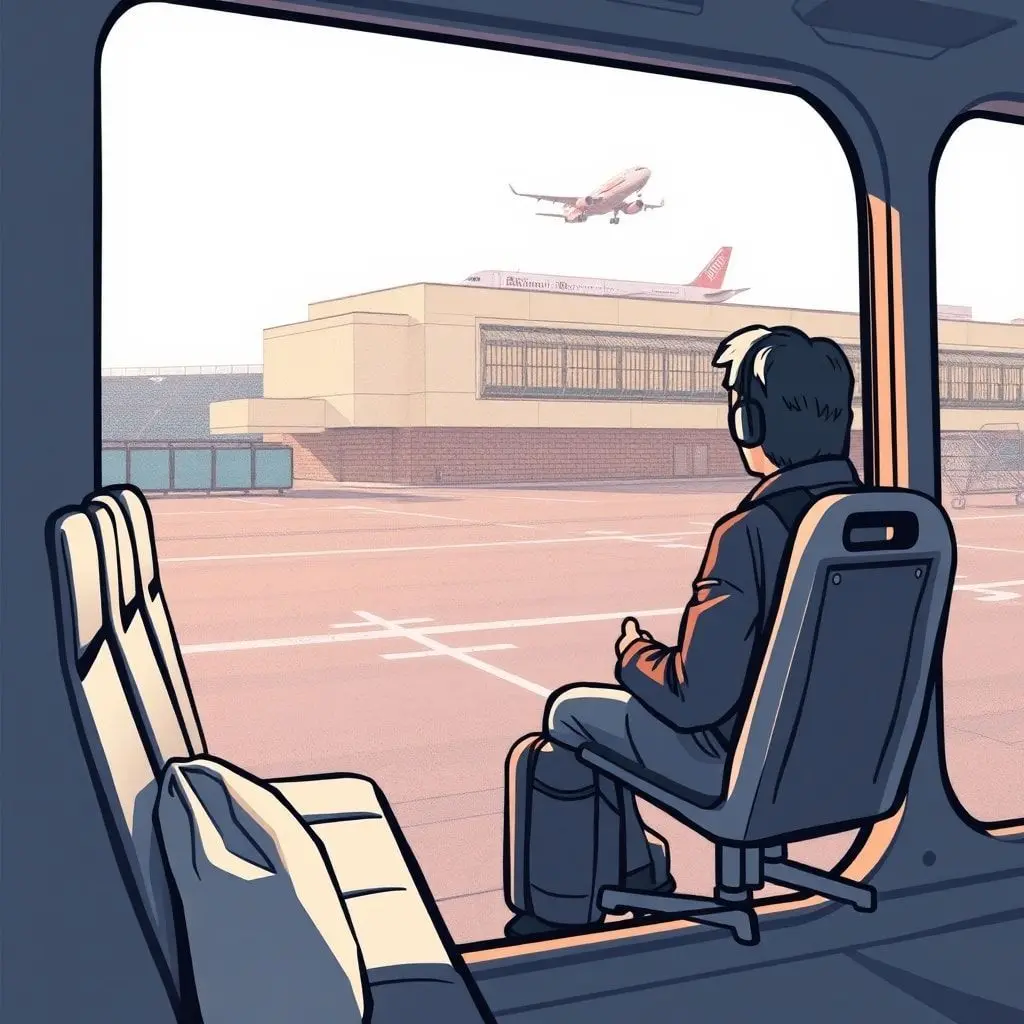
Traveling can be an exhilarating experience, offering the promise of new adventures and unforgettable moments. However, disruptions can occur, and when they do, the impact can be significant. It’s crucial to stay informed and equipped with strategies to deal with unexpected changes. A proactive mindset can make all the difference. Whether due to weather, operational issues, or other unforeseen circumstances, being prepared is essential.
Statistics show that over 20% of air travel experiences delays or cancellations annually, highlighting the importance of awareness and understanding of this issue. Many travelers find themselves unprepared and overwhelmed during such events. This feeling can lead to confusion and frustration, but it doesn’t have to end that way. With the right approach, individuals can navigate through these challenges with greater ease.
Having a solid plan can help alleviate stress and facilitate smoother experiences. Knowing what to do next, who to contact, and how to keep your travel plans on track is vital. Additionally, understanding your rights and available resources can empower you in these situations. This guide aims to provide a comprehensive overview of effective strategies, ensuring that one is ready to face travel disruptions head-on.
From understanding compensation policies to managing bookings, every detail counts. Each step taken during disruption can significantly impact the overall travel experience. The goal is to minimize frustration and maximize efficiency when faced with unexpected changes, turning a potentially negative situation into a manageable one.
Understanding the Causes of Flight Cancellations
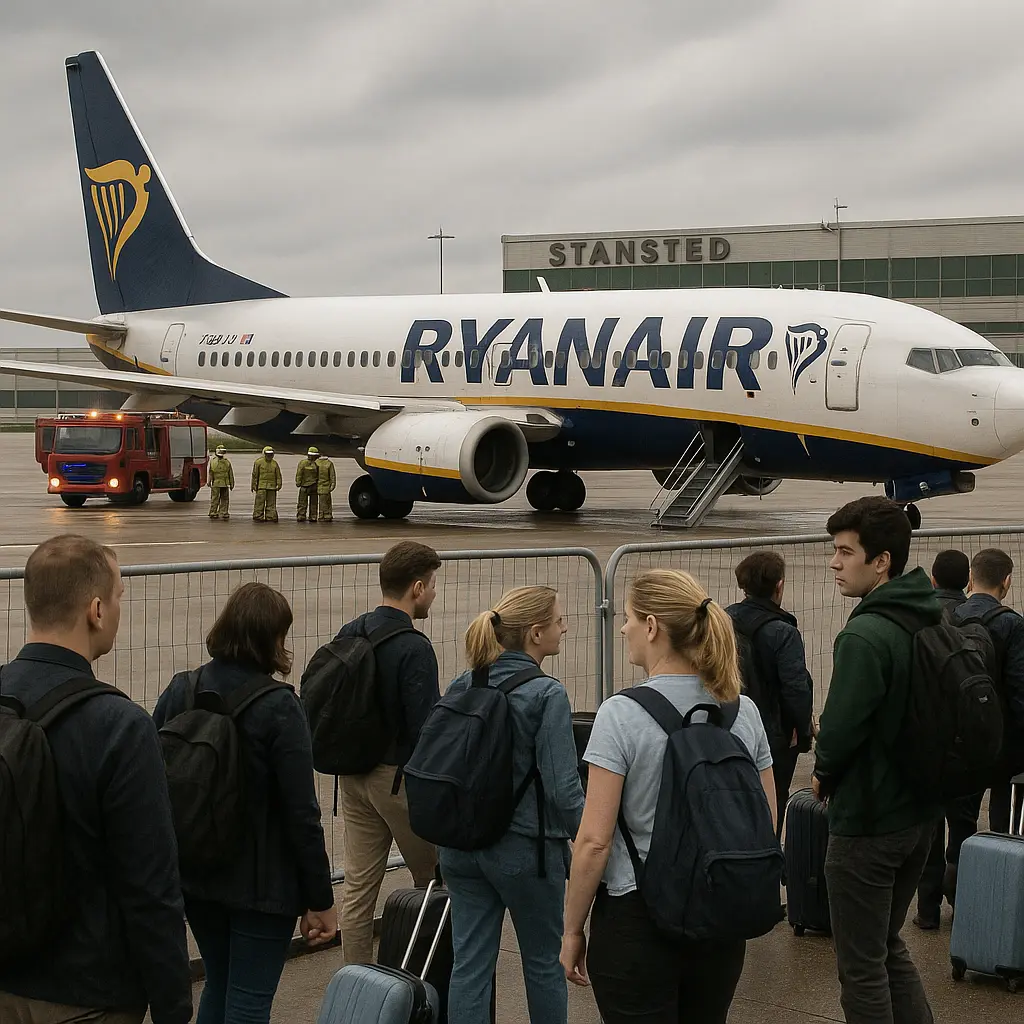
Flight cancellations can be a frustrating experience for travelers. Various factors contribute to these disruptions, often leaving passengers scrambling for alternatives. Understanding the reasons behind cancellations can empower individuals to plan better and mitigate the impact of such events. Weather issues, technical difficulties, and operational challenges are some of the leading causes. Each of these factors can severely affect an airline’s ability to stick to its schedule.
Inclement weather accounts for approximately 30% of all cancellations. This includes not only heavy rain or snow but also strong winds and fog. Such conditions can make it unsafe for aircraft to take off or land. Additionally, when one flight is delayed, it can create a domino effect, leading to further cancellations.
Technical malfunctions also play a significant role in flight interruptions. Airlines prioritize safety above all; thus, any mechanical issue prompts immediate action. In fact, around 20% of cancellations are attributed to these kinds of problems. Routine maintenance ensures aircraft are functioning optimally, but sometimes unexpected repairs may arise.
Moreover, operational challenges, including staffing shortages and air traffic control restrictions, contribute to the issue. Airlines often face difficulties in crew management, especially during peak travel seasons. Approximately 15% of cancellations occur due to these operational inadequacies. When a flight is unexpectedly grounded, it affects not just that particular flight but the entire network, leading to widespread disruptions.
Understanding these underlying causes can aid travelers in making informed decisions. Awareness of weather patterns, maintenance schedules, and airline performance can be beneficial. Being proactive and flexible with travel plans is crucial during unpredictable times. With a little forethought, navigating the complexities of air travel becomes less daunting.
Common Reasons Behind Cancellations
Understanding the various factors that lead to flight interruptions can be vital for travelers. These disruptions can stem from a multitude of causes, each having its own impact on travel plans. Weather conditions often play a significant role in determining whether an aircraft can take off or land safely. Additionally, operational issues within the airline can create further complications. Other factors, such as air traffic control directives or security concerns, may also lead to unexpected cancellations.
Weather is one of the most frequent culprits; severe storms, fog, or heavy snowfall can hinder visibility and safety. Operational challenges also arise, including technical failures of the aircraft or staffing shortages that can prevent a plane from being adequately manned. Air traffic control restrictions occasionally necessitate the cancellation of flights to manage congestion efficiently in busy airports. Security issues, consistent with heightened vigilance, can also lead to sudden changes in schedule, impacting a flight’s operation.
According to industry data, nearly 2% of all scheduled flights are canceled due to weather-related factors alone. Additionally, problems within the airline’s operations account for another significant portion of cancellations. Understanding these common issues helps travelers better prepare for potential disruptions. When a cancellation occurs, knowing the reasons can ease some frustration and allow for more informed decisions regarding rebooking or alternative travel plans.
Impact of Weather on Air Travel
Weather conditions play a crucial role in the world of aviation. They can influence flight schedules, cause delays, and even lead to cancellations. Understanding how different climatic factors affect air travel is essential for both passengers and industry professionals. Severe weather can disrupt operations and create uncertainty for travelers.
Here are some key weather elements that impact air travel:
- Fog
- Thunderstorms
- Heavy rain
- Snow and ice
- Strong winds
Each of these factors poses unique challenges to airlines, air traffic control, and passengers alike. For instance, fog can dramatically reduce visibility, resulting in altered takeoff and landing procedures, which may lead to significant delays. Thunderstorms can create dangerous flying conditions, making it necessary for pilots to reroute flights or wait before taking off. During winter months, snow and icy conditions can necessitate extensive de-icing procedures, adding more time to pre-flight routines.
According to statistics, approximately 70% of flight delays are attributed to weather-related issues. This highlights how vital it is for travelers to stay informed about forecasted conditions before heading to the airport. Airlines rely on advanced meteorological data to make real-time decisions about flight operations. While most passengers think of weather delays as an inconvenience, they are often critical for ensuring safety in the skies.
Role of Airline Operational Issues
Airline operational challenges greatly influence travel experiences. When disruptions occur, passengers often face a cascade of complications. Delays, cancellations, and rerouting can stem from a variety of root causes. Understanding these underlying issues is essential in mitigating the fallout from such incidents.
Common operational issues include:
- Staff shortages due to unexpected illnesses
- Technical malfunctions of aircraft
- Weather-related complications
- Air traffic control restrictions
- Operational mismanagement
In fact, studies show that roughly 30% of flight cancellations are directly tied to these operational difficulties, highlighting their significant impact on airline schedules and customer satisfaction. Moreover, the ripple effects from a single disrupted flight can lead to a chain reaction affecting numerous routes and passengers across various airlines.
Airlines often strive to minimize these issues through better scheduling and maintenance practices. However, when crises arise, the response can determine the level of passenger frustration. Quick and effective communication about delays or cancellations is crucial. It can turn a potentially negative experience into a more manageable situation.
Ultimately, awareness of these operational factors can empower travelers. Understanding the root causes offers a clearer view of what may lie ahead. Knowledge in this area equips passengers to react more calmly and adaptively when faced with disruptions.
Essential Steps to Take After a Cancellation
Experiencing a flight cancellation can disrupt travel plans significantly. The immediate response is crucial for minimizing stress and ensuring a smooth resolution. Knowing how to act can make a difference in such situations. First and foremost, stay calm, as this will help in making rational decisions. Timing is everything; prompt actions often yield better outcomes.
Begin by checking with the airline using their app or website. Many cancellations are due to unforeseen circumstances, but airlines frequently offer flexible alternatives. Sometimes, waiting in line at the airport is not the most efficient choice. On average, more than 20% of flights see delays or cancellations, so understanding your options is essential.
Contact the airline’s customer service department. A polite yet assertive approach can go a long way. They may provide rebooking options or even compensation based on airline policies.
Consider exploring alternative transportation methods. Trains or buses could swiftly bridge the distance, especially for short-haul flights. Stay updated with travel news, as weather conditions or technical issues might affect other travel routes.
Lastly, document everything. Keep records of communications, receipts, and travel itineraries. This information is invaluable when seeking reimbursement or additional assistance from the airline.
How to Contact Your Airline Effectively
Reaching out to an airline can sometimes feel overwhelming. Clear communication is essential in resolving issues swiftly. Engaging with customer service requires strategy and preparation. It’s important to know when and how to make contact. Understanding the nuances can make a world of difference.
First, determine the method of communication. Options include phone calls, emails, and social media. Each channel has its pros and cons. Phone calls often provide immediate feedback. However, email can be effective for detailed inquiries.
When calling, be ready with all necessary information. Flight numbers, booking references, and personal details streamline the process. According to industry statistics, customers who are prepared can reduce their wait time by up to 50%. Ensure you are patient; hold times may vary widely.
Utilizing social media can be an effective approach as well. Many airlines respond to inquiries on platforms like Twitter and Facebook. Keep your messages concise and polite, highlighting key facts to capture attention. In fact, reports show that social media responses are often quicker than traditional methods.
Remember, persistence is key. If the first attempt doesn’t yield results, don’t hesitate to reach out again. Document any conversations for future reference. Having a record of previous communications can prove invaluable, especially when escalating the issue.
By carefully strategizing communication efforts, travelers can enhance their chances of a favorable outcome. Whether through a phone call or a tweet, being informed and proactive is crucial. Don’t underestimate the power of effective dialogue in overcoming challenges.
Exploring Rebooking Options and Policies
When travel plans are thrown into disarray, understanding rebooking choices becomes crucial. Airlines have different approaches to handling disruptions. Knowing what to expect can save time and stress. Every airline has its own set of guidelines, and these policies often vary greatly.
Statistics indicate that over 20% of flights experience delays or cancellations annually, making it essential to familiarize oneself with rebooking practices. Many airlines offer flexible options, allowing passengers to move their itinerary without excessive fees. Additionally, some carriers provide compensation or travel vouchers, depending on the situation’s circumstances.
It’s vital to act quickly. Contacting the airline directly can yield quicker results compared to waiting in line at the airport. Online tools can also streamline the rebooking process, allowing passengers to choose new flights from the comfort of home. Furthermore, understanding whether your fare class allows changes can prevent unexpected costs.
Ultimately, being aware of rebooking policies not only eases frustration but also ensures smoother travel experiences in the long run. Investigate the terms and conditions associated with your ticket before travel, so you are prepared for any eventuality.
Understanding Your Rights as a Passenger
In the world of air travel, passengers often feel uncertain about what they are entitled to in various situations. Knowing one’s rights can significantly ease the stress of disruptions. This knowledge empowers travelers to take informed actions. Passengers must understand the protections available to them when facing unexpected flight issues.
For instance, when a flight is canceled or significantly delayed, various regulations may come into play. Regulations vary by region and airline, and it’s crucial to be informed. In the European Union, passengers are covered by strict compensation regulations. In the United States, however, the rules are less stringent, and compensation can be more limited.
Familiarizing oneself with these specifics can make a considerable difference. Travelers should always check their airline’s policy. Knowing the standard practices can help in negotiations with airline staff. Moreover, airlines are obligated to provide assistance under certain conditions.
Here’s a table summarizing key passenger rights based on different scenarios:
| Situation | EU Regulations | US Regulations |
|---|---|---|
| Flight Cancellation | Compensation up to €600, re-routing options | No mandatory compensation, options vary by airline |
| Flight Delay (over 3 hours) | Compensation up to €600, right to care | No mandatory compensation, but airlines may offer vouchers |
| Denied Boarding | Compensation and re-routing, assistance provided | Compensation varies, airlines must offer rebooking |
| Baggage Delay | Right to reimbursement for essentials | Reimbursement policies vary by airline |
Every passenger should take the time to understand these rights. Knowledge can lead to better outcomes during travel interruptions. It’s vital to remain calm and proactive when facing travel disruptions. Being aware of entitlements helps in advocating for oneself effectively.
Strategies for Future Flight Planning
Planning air travel requires foresight and adaptability. Recognizing potential disruptions can help travelers make informed choices. Keeping abreast of trends in the aviation industry is essential. A proactive approach can significantly mitigate the impact of unforeseen events.
Research shows that nearly 30% of flights experience delays or cancellations each year. Understanding peak travel seasons can enable better scheduling. Booking during off-peak times may reduce the likelihood of changes. Flexibility in itineraries often leads to smoother travel experiences.
Choose airlines known for their reliability. Review reviews and statistics on on-time performance. Established carriers tend to have more robust contingency plans in place. This can prove advantageous should unexpected circumstances arise.
Using tools like flight trackers or mobile apps can provide real-time updates. Many platforms offer alerts for status changes, which can be invaluable. Equip yourself with a backup plan; having alternatives ready can alleviate stress. This is especially important in regions prone to severe weather disruptions, where nearly 50% of delays occur.
Lastly, purchasing travel insurance offers additional peace of mind. This might cover unexpected cancellations or delays. With careful planning and strategic choices, travelers can significantly enhance their experiences while reducing potential pitfalls.










5 responses
Flight cancellations suck, but having a game plan can definitely ease the stress. Can’t wait to dive into this guide.
So excited to learn some new strategies for dealing with flight cancellations – they always throw a wrench in my travel plans.
Flight cancellations are the worst, man. But having a plan in place can definitely make it easier to deal with. Your flight has been cancelled. Hoping this guide can help me navigate those situations better.
Yo, I’ve had my fair share of flight cancellations – they’re always a pain in the butt! So glad I stumbled upon this guide, gonna need all the tips I can get.
Flight cancellations can really throw a wrench in your travel plans, but having a plan in place can definitely help ease the stress. Excited to check out this guide.