Understanding Recent Airline Incidents and Their Impact on Travel Planning
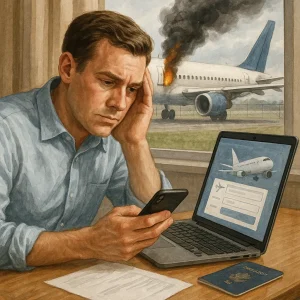
Travelers should be aware of recent incidents involving airlines that can affect flight experiences. A recent event where passengers aboard an Air Canada flight heard screams from the cargo hold raised concerns about safety and communication during travel. Such occurrences remind us of the importance of being prepared and informed when flying.
Context of Airline Safety and Passenger Experience
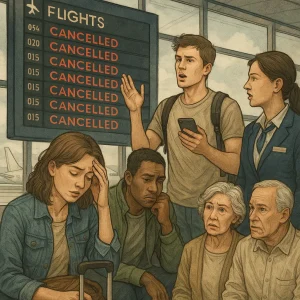
Airlines operate under strict safety regulations, but incidents can still occur. For example, in the Air Canada incident, a ground crew member accidentally became trapped in the cargo hold. This situation led to the cancellation of the flight and caused distress among passengers. Travelers need to understand that while rare, these situations highlight the need for effective communication and safety protocols in air travel.
Impact on Different Types of Travelers
Travelers may respond differently to incidents like this based on their travel experience and comfort levels. Here’s how various types of travelers might be affected:
- Frequent Flyers: They may be more accustomed to unexpected events and know how to handle changes.
- First-Time Flyers: They might feel anxious or fearful after hearing about such incidents, affecting their travel confidence.
- Families with Children: Parents may worry more about the safety and well-being of their kids in light of unexpected events.
Planning Scenarios for Travelers
Travelers may face several scenarios when planning their trips, especially in light of recent incidents:
- Flight Cancellations: Be prepared for potential cancellations and delays due to safety concerns.
- Alternative Transportation: Have a backup plan, such as alternative flights or ground transportation options.
- Increased Awareness: Stay informed about airline policies and safety measures to feel more secure when traveling.
Key Considerations When Booking Flights
When booking flights, it’s essential to consider how incidents can influence your travel experience:
- Research Airlines: Look into the safety records and customer service ratings of airlines.
- Flexible Booking Options: Choose airlines that offer flexible booking options to manage unexpected changes.
- Travel Insurance: Consider purchasing travel insurance to cover potential cancellations or disruptions.
What to Expect in the Future
Travelers should realistically expect that while most flights operate smoothly, incidents can happen. Airlines are continually working to improve safety measures, but it’s wise to stay vigilant and informed. Here are some expectations:
- Increased Communication: Airlines may enhance communication protocols to keep passengers informed during unexpected events.
- Focus on Passenger Safety: Safety remains a top priority, with continuous improvements in training and technology.
- Travel Demand Trends: Despite incidents, travel demand is likely to continue, with many eager to explore and reconnect.
“I always check the airline’s safety record before booking. It gives me peace of mind.”
“After hearing about the Air Canada incident, I’ll be more cautious and ready for anything on my next flight.”
Analytical Insights on Travel Demand and Airline Operations
As incidents like the Air Canada event highlight, traveler safety and communication are paramount. These events can influence travel demand and booking habits:
- Safety Concerns: Incidents can lead to increased scrutiny of airline safety practices, impacting consumer confidence.
- Demand for Transparency: Passengers may prefer airlines that provide clear communication regarding safety measures and incident responses.
- Shift in Travel Preferences: Some travelers may opt for airlines with stronger safety records, even if it means higher prices or longer travel times.
Travelers should stay informed and proactive in their planning to ensure a safe and pleasant travel experience.