Understanding the Recent Plane Collision at Chicago O’Hare and Its Impact on Travel
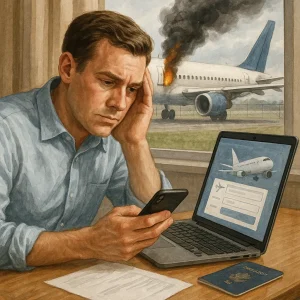
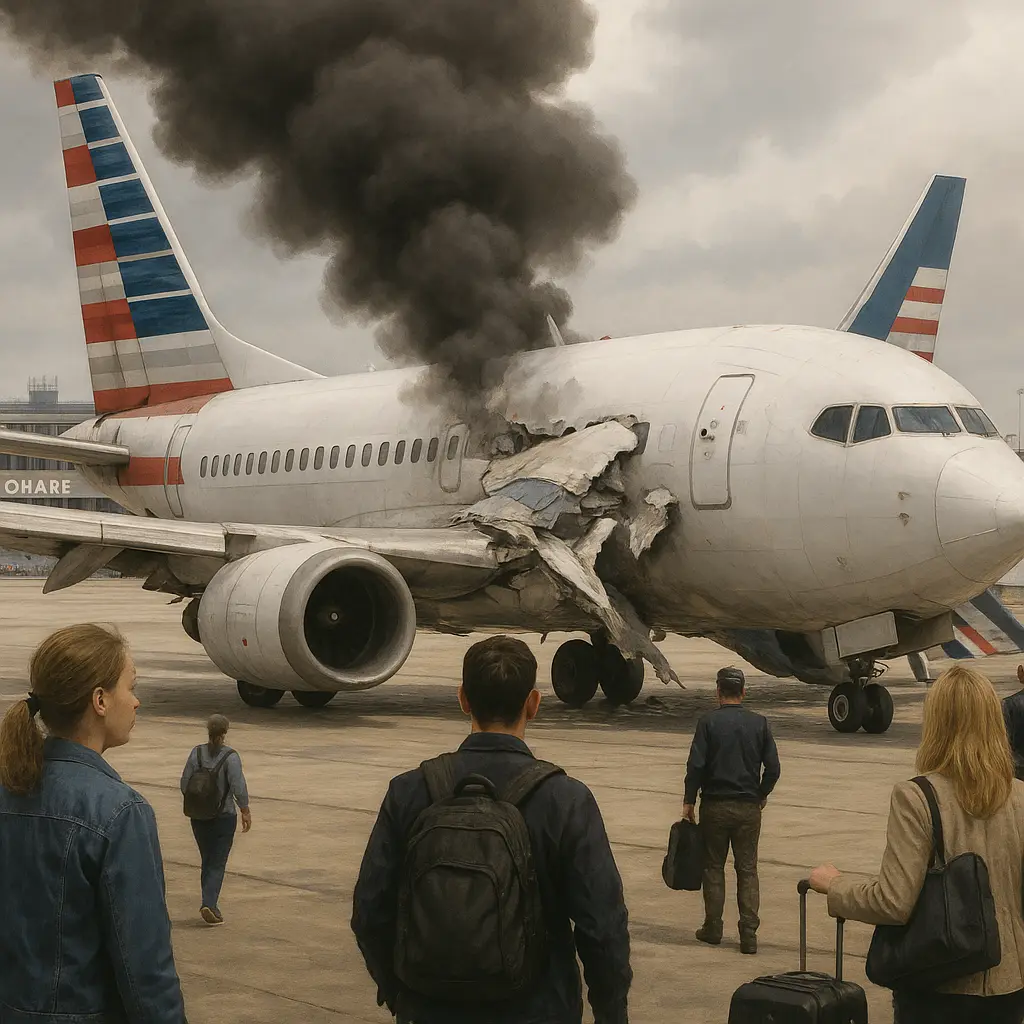
Recently, two Boeing airplanes collided at Chicago O’Hare International Airport. An All Nippon Airways flight was taxiing for takeoff when it struck a Delta Airlines flight. Thankfully, no injuries were reported. However, this incident highlights important factors travelers should consider when planning their trips, especially at busy airports.
The Context of Aviation Safety and Travel Planning
This collision happened in an area not under air traffic control. This means that while the incident was serious, it didn’t involve the air traffic control system directly managing the planes. Incidents like this can affect travelers’ perceptions of safety and may lead them to think more carefully about their travel planning.
Air travel has many moving parts, and safety is always a top priority for airlines. Whenever an incident occurs, like this collision, it is investigated thoroughly. Travelers should stay informed about such incidents as they can influence flight schedules and overall travel experiences.
Who Is Affected by This Incident?
The impact of this collision is felt by different types of travelers:
- Business Travelers: Those flying for work may face delays or changes in their plans as airlines assess safety and operations at affected airports.
- Vacationers: Tourists could experience confusion or interruptions in their travel itinerary, especially if they are flying in or out of Chicago O’Hare.
- Frequent Flyers: Regular travelers may have heightened concerns about safety and reliability at an airport known for its busy traffic.
Planning Scenarios for Travelers
Travelers should consider various scenarios when planning their trips, especially in light of recent events:
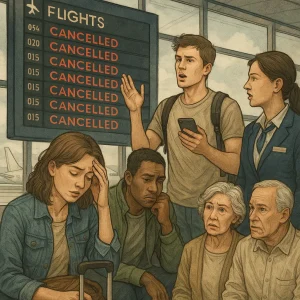
- Flights may be delayed or canceled due to safety inspections and investigations.
- Travelers should be prepared for longer wait times at security and boarding gates.
- Staying updated on airline communications can help travelers make quick decisions if their flights are affected.
Being flexible with travel plans can help in these situations, as disruptions are sometimes unavoidable.
What to Consider When Booking Flights
When booking flights, consider the following:
- Check the flight status regularly, especially during bad weather or after an incident.
- Look for travel insurance options that cover delays or cancellations.
- Have a backup plan, such as alternative flights or routes, in case of changes.
Travelers should always prepare for unexpected events that may impact their journey.
Expectations for Future Travel
In the coming weeks, travelers can expect the following:
- Increased scrutiny of safety protocols at busy airports like Chicago O’Hare.
- Possible delays or cancellations as airlines and regulators ensure safety measures are in place.
- Airlines may enhance communication with passengers regarding flight statuses and safety updates.
“I always check the latest news about my flight before I head to the airport. It helps me stay calm and prepared.”
“After hearing about the collision, I felt a little worried about flying. But I trust that airlines will keep us safe.”
Analyzing the Implications for Travel Demand and Experience
This incident at Chicago O’Hare may lead to changes in travel demand and experiences for passengers. Here are some practical implications:
- Travelers may choose to avoid peak travel times or busy airports to reduce the risk of delays.
- Increased demand for travel insurance as passengers seek protection against unforeseen disruptions.
- Travelers may become more cautious and seek airlines with strong safety records.
Understanding these factors can help travelers better prepare for their journeys and make informed decisions about their travel plans.