Understanding Air Travel Disruptions in the Middle East
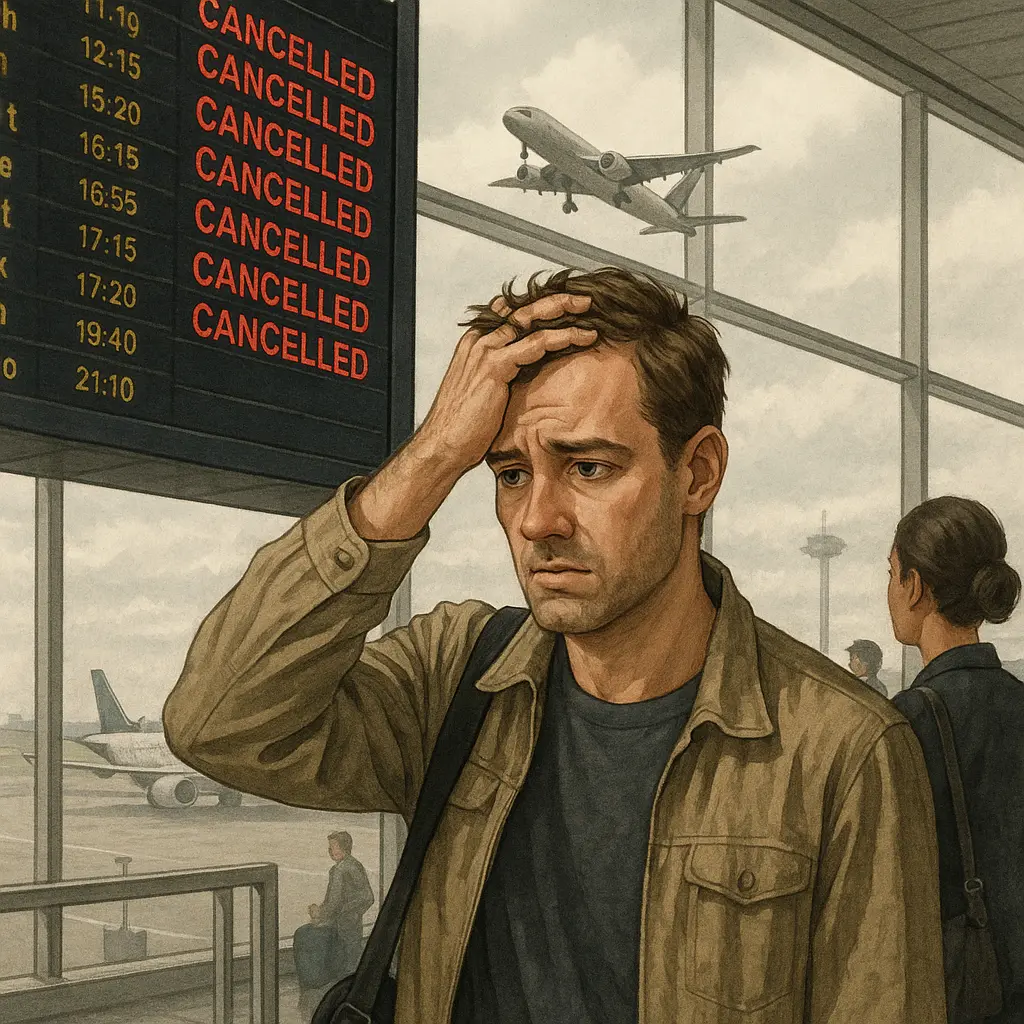
Recent events in the Middle East have led to major disruptions in air travel across key hubs. Airports in Dubai, Abu Dhabi, Doha, and parts of Cyprus are experiencing flight cancellations and ground stops. This situation affects travelers who need to plan their trips carefully and consider the ongoing situation.
Context of the Current Air Travel Situation
The ongoing regional conflict has caused a near-total shutdown of flights in the affected areas. Airlines are canceling flights and many airports are temporarily closed. For travelers, this means that planning any trips to or through these locations requires close attention to updates.
Why Travelers Should Care
Travelers planning trips to the Middle East should be aware of these disruptions. The situation can change quickly, affecting flight availability and schedules. It’s important to stay informed about travel advisories and flight statuses.
Impacts on Different Types of Travelers
This disruption affects various types of travelers, including business travelers, tourists, and expatriates. Each group may face different challenges, such as canceled flights, rescheduled plans, or even the need for emergency travel arrangements.
Business Travelers
- May need to adjust meeting schedules due to flight cancellations.
- Should check with their companies about flexible travel policies.
Tourists
- Should consider changing travel plans or destinations to avoid affected areas.
- Must be prepared for longer wait times at airports due to cancellations.
Expatriates
- Could face difficulties returning to their home countries.
- May need to explore alternative transportation options.
Planning Scenarios for Travelers
Travelers may need to consider several scenarios while planning their trips. Here are some common situations and tips for dealing with them:
- If your flight is canceled, contact your airline for rebooking options.
- Consider alternative routes or nearby airports that may still be operating.
- Stay updated on the latest travel advisories from your government.
Booking and Scheduling Considerations
When booking flights or scheduling travel plans, it is essential to keep a few factors in mind:
- Check the flexibility of your tickets before purchasing.
- Be aware of potential extra costs if you need to change plans last minute.
- Monitor airline announcements regularly for updates on flight statuses.
Realistic Expectations for Travelers
Travelers should prepare for delays and possible cancellations in the coming days. Airlines may take time to resume normal operations once the situation stabilizes. Here’s what to realistically expect:
- Expect ongoing flight cancellations and delays.
- Be ready for potential travel restrictions based on safety assessments.
- Stay calm and patient as changes unfold.
“I never thought planning a trip could be so stressful. I just want to get to my destination safely.”
“I hope my flight doesn’t get canceled. I need to be in Dubai for work next week.”
Implications for Travel Demand and Experience
The current disruptions in the Middle East are likely to impact travel demand significantly. As travelers become more cautious, airlines may see a decline in bookings for the affected areas. This could lead to lower prices in the short term but also increased wait times and tighter availability as travelers rush to rebook their plans.
Travelers should remain adaptable and informed during this time. Staying updated on the situation will help in making the best travel decisions, ensuring a smoother experience despite the current challenges.