Understanding Air Travel Safety: The Air Canada Incident
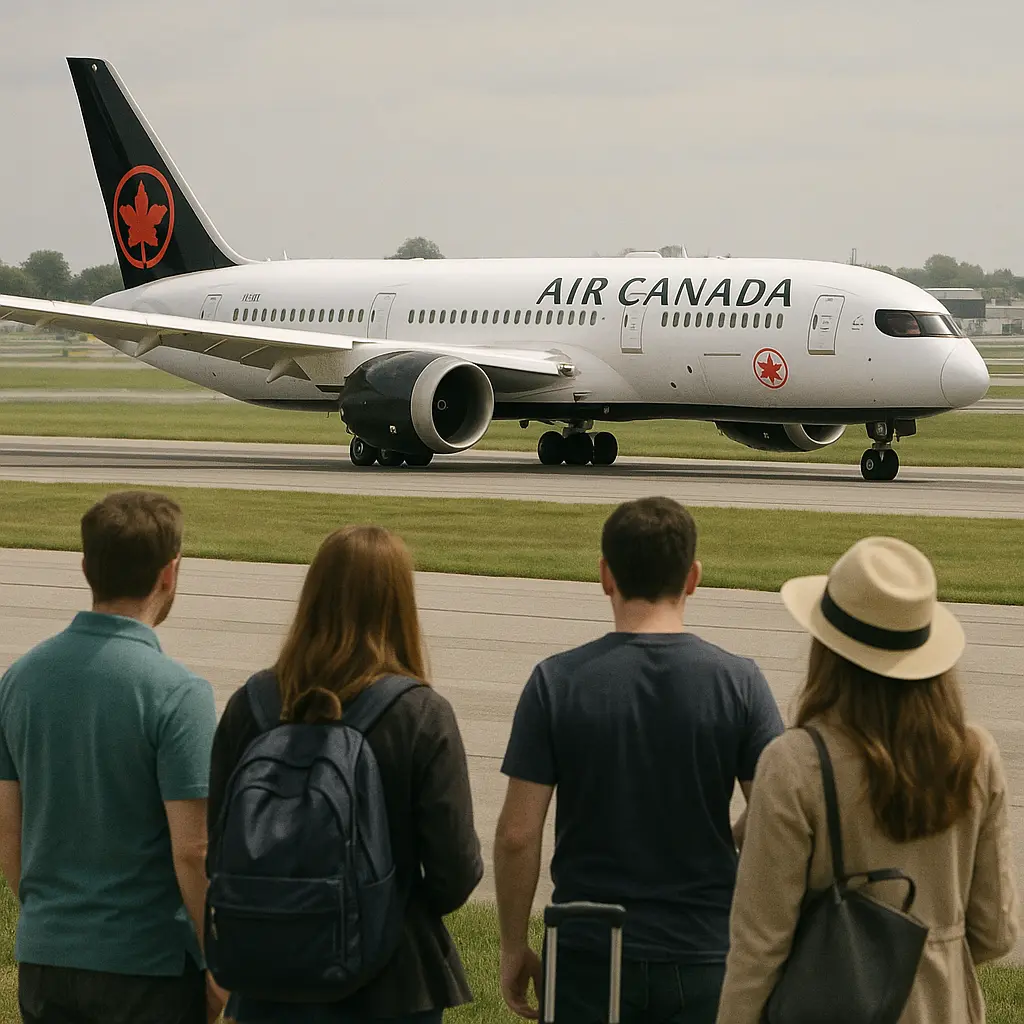
Recently, an alarming incident occurred on an Air Canada flight that raises important questions about air travel safety. As the aircraft was taxiing toward takeoff, passengers heard chilling screams coming from beneath the cabin. A ground crew member had inadvertently become trapped in the cargo hold. While this situation was resolved without injury, it highlights the importance of safety protocols in air travel.
How Air Travel Incidents Affect Travel Planning
Events like the Air Canada incident can impact travel planning in several ways. While most flights operate safely, isolated incidents can create anxiety among travelers. Understanding how airlines handle such situations can help travelers make informed decisions.
Safety Protocols and Their Importance
Airlines are required to have strict safety protocols to prevent accidents. These include regular safety drills, crew training, and procedures to ensure all ground staff are accounted for before takeoff. When planning your travel, consider the safety record of the airline you choose.
Traveler Response to Safety Concerns
Incidents can lead to increased scrutiny of airline safety practices. Travelers may want to be more cautious and check for recent safety reports or news related to their airline. Awareness of these issues can help travelers feel more secure.
Types of Travelers and Their Concerns
Different types of travelers may react differently to safety incidents. Understanding this can help you relate to fellow passengers and prepare for potential reactions.
- Business Travelers: They might prioritize reliability and safety, often leading them to prefer airlines with strong safety records.
- Leisure Travelers: They may experience heightened anxiety after hearing about incidents, impacting their overall travel enjoyment.
- Frequent Flyers: They might feel more comfortable, having confidence in the safety measures usually in place.
Planning Scenarios Travelers May Face
Travelers may encounter various scenarios when it comes to air travel safety. Here are a few to consider:
- Flight Delays: Following an incident, flights may be delayed as safety checks are conducted. Plan for additional time at the airport.
- Flight Cancellations: In some cases, airlines may cancel flights for safety reasons, leading to unexpected changes in travel plans.
- Increased Security Measures: Following an incident, be prepared for enhanced security checks at airports.
What to Consider When Booking Flights
When booking flights, consider several key factors to ensure a smooth travel experience:
- Airline Safety Record: Research the safety ratings and incident history of the airline.
- Flexibility in Travel Plans: Choose fare types that allow for changes or cancellations, especially if safety concerns arise.
- Travel Insurance: Consider purchasing travel insurance that covers flight cancellations due to safety incidents.
Expectations for Future Travel
Travelers can expect airlines to continue improving safety measures. Incidents often lead to reviews and updates in safety protocols. While rare, such events remind us of the importance of vigilance in travel safety.
“Flying can be stressful, especially after hearing about incidents. It’s vital to stay informed and prepared.”
“I always check the safety record of my airline. It gives me peace of mind when I travel.”
Analyzing the Impact on Travel Demand and Experience
The reaction to safety incidents can influence travel demand. Travelers might delay trips or choose alternative forms of transportation after hearing about alarming events. Awareness of safety protocols and a positive safety culture within an airline can lead to confidence in air travel, encouraging more people to fly. As airlines adapt to these challenges, passengers can expect a focus on enhancing the overall travel experience.