

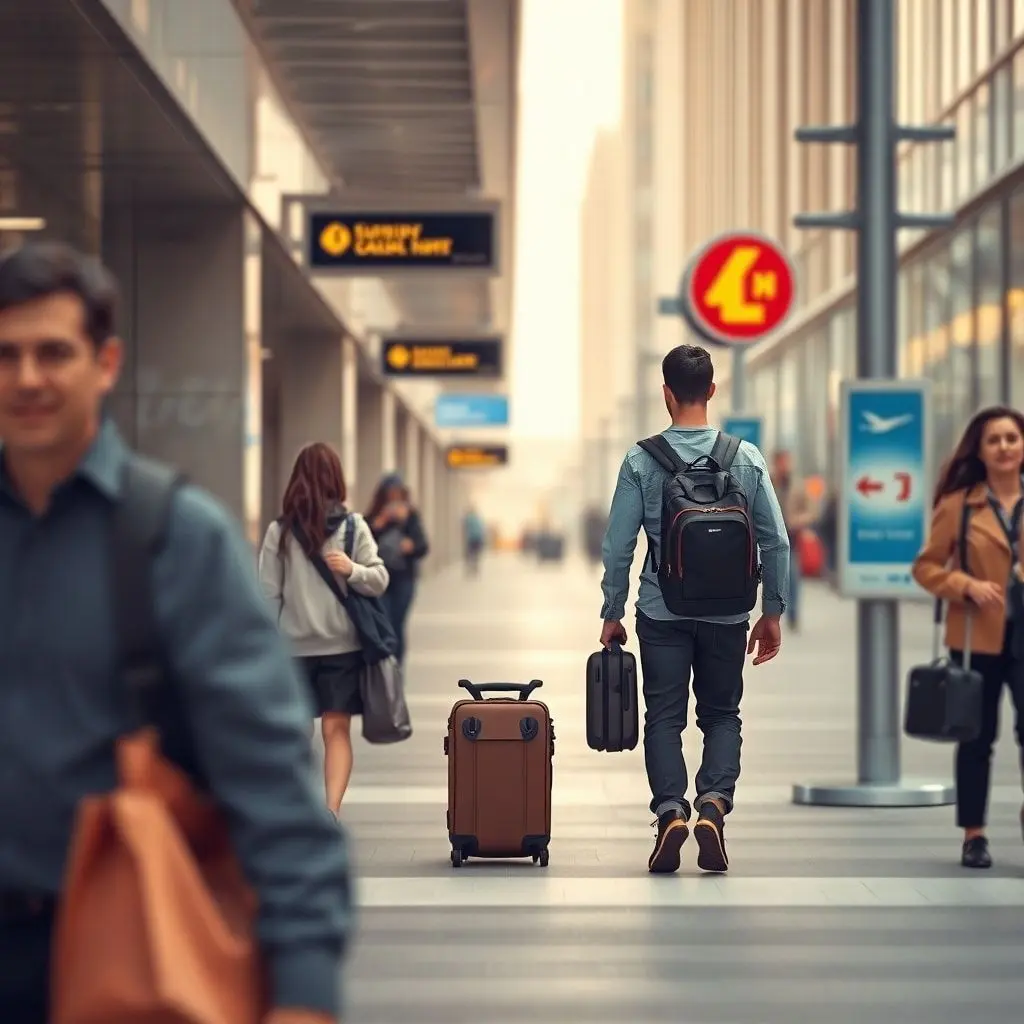
Navigating the bustling world of air travel can often feel overwhelming. Determining the right time for pre-flight preparations plays a crucial role in ensuring a smooth journey. Passengers frequently grapple with questions about when to leave home, how long to wait in lines, and what factors might affect those decisions. Amidst this chaos, clarity is essential.
Statistics reveal that approximately 10% of passengers miss their flights annually due to timing issues. With check-in processes, security screenings, and potential delays, managing time efficiently becomes imperative. The shifting landscape of travel regulations and airport operations adds another layer of complexity.
Insights from seasoned travelers and professionals in the aviation industry shed light on best practices. From peak travel times to unique airport layouts, understanding the nuances can save significant stress. It’s not merely about reaching the gate on time; it’s about arriving with peace of mind. After all, avoiding the last-minute rush enhances the overall travel experience.
Gathering anecdotes and recommendations from frequent flyers can provide invaluable context. Each perspective offers a glimpse into the varying experiences passengers face. Whether flying domestically or internationally, being well-prepared ensures that unexpected hurdles become manageable rather than daunting.
Understanding the Importance of Arriving Early
Time management in travel is essential. Missing a flight can lead to unnecessary stress. With proper planning, travelers can avoid last-minute rushes. Balancing convenience and security is key.
According to industry studies, over 30% of missed flights occur due to late arrivals at terminals. A few extra minutes can provide a buffer against unexpected delays. This includes everything from long security lines to unforeseen traffic jams.
Preparation is not just about getting to the gate on time. Arriving well in advance allows for a smoother transition through check-in and baggage claim. Furthermore, it offers more opportunities to resolve any issues that may arise, such as ticketing errors or changes in flight schedules.
With today’s heightened security measures and check-in protocols, allocating sufficient time is more important than ever. Travelers should consider all variables in their journey. Planning for delays can ultimately save time and enhance the overall travel experience.
In summary, a proactive approach in planning travel routines greatly minimizes stress and ensures a pleasant journey. Embracing an early arrival mindset fosters a sense of control over travel logistics.
Statistics on Airport Arrival Times and Delays
Understanding arrival patterns and delays can significantly impact travel experiences. Many passengers often underestimate the time needed for various airport procedures. Recent studies indicate that a considerable number of individuals arrive later than recommended. This can lead to unnecessary stress and missed flights. Data reflects trends that are crucial for strategic planning.
According to the Transportation Security Administration, over 80% of travelers suggest arriving at least two hours prior to domestic flights. This recommendation is based on average processing times and security checks. Conversely, international flights typically necessitate a three-hour window. These time frames take into account potential delays.
| Time Frame | Passenger Recommendation | Average Delay Incidents |
|---|---|---|
| Domestic Flights | 2 hours | 15% during peak seasons |
| International Flights | 3 hours | 20% during holiday periods |
| Security Screening | 30 to 90 minutes | 25% of travelers experience delays |
Research indicates that nearly half of all travelers have faced issues related to timing. In fact, reports show that arriving just 15 minutes late can drastically reduce the chance of making a flight. On average, delays at security checkpoints can extend travel times by an additional thirty minutes. It’s essential to consider these elements to enhance overall travel satisfaction.
Why Early Arrival Can Save You Stress
Planning in advance can make a significant difference in your travel experience. Arriving ahead of time allows for a more relaxed approach to navigating through various airport processes. Lines at check-in can be unpredictable. Security checks are often crowded. Missing your flight can lead to a cascade of complications.
Statistics show that travelers who arrive two hours before their flight report 30% less stress than those who arrive just an hour prior. It’s not just about the time itself; it’s about the peace of mind that accompanies it. Rushing through the terminal, worrying about boarding times, and dealing with unexpected delays can overshadow the excitement of your journey. Instead, a leisurely stroll through the terminal can be refreshing.
- Allows for unexpected delays.
- Gives time for a meal or coffee.
- Reduces anxiety related to check-in and security.
- Makes it easier to handle luggage or travel documents.
Furthermore, many airports now offer amenities to make the wait enjoyable, ranging from shopping to dining options. Embracing this additional time can transform your travel experience from a hectic race against the clock to a more enjoyable and manageable process. By prioritizing punctuality, travelers can embrace the journey ahead with a more serene mindset.
Common Mistakes Travelers Make with Timing
Travelers often miscalculate the significance of timing when planning their journeys. Rushing can lead to stress and disorganization, while excessive waiting may waste valuable time. It’s essential to strike a balance between arrival and boarding times. Many make similar blunders, which can disrupt their travel experience significantly.
- Underestimating security check durations.
- Ignoring peak travel hours.
- Delaying check-in processes.
- Not accounting for unforeseen delays.
For instance, security lines can vary greatly depending on the time of day; statistics indicate that travelers who neglect this can face waits exceeding 30 minutes during rush hours versus just 10 minutes during quieter periods.
- Failing to check flight status regularly.
- Not planning for boarding gate changes.
- Overlooking customs and immigration procedures.
In addition, arriving too late for check-in can result in missed flights, with many airlines enforcing strict cut-off times that do not allow for any leniency, leaving travelers frustrated and stranded.
Expert Recommendations for Arrival Times
When planning a journey through air travel, timing holds significant importance. Many factors influence the ideal timeframe for reaching your terminal. These include the day of the week, seasonal travel patterns, and the specific airport’s infrastructure. Understanding this can lead to a smoother experience.
In general, it is advisable to allocate sufficient time for check-in, security screening, and potential delays. For domestic flights, arriving two hours beforehand is commonly recommended. However, for international departures, three hours is often suggested. This guideline helps accommodate unexpected situations.
Statistics indicate that nearly 30% of travelers encounter delays during the check-in process, highlighting the necessity for proactive planning. Additionally, some airports experience significant passenger volume, especially during peak hours. Such busy periods can lead to longer lines at security checks, making it crucial to arrive well in advance to avoid missed flights.
Travel consultants emphasize the need for flexibility. Although guidelines serve as a foundation, personal circumstances may vary. Frequent flyers often advise to monitor flight updates and airport conditions before heading out. Prior research into the specific terminals can also enhance the journey. Ultimately, being well-prepared ensures a far more enjoyable travel experience.
General Guidelines for Domestic Flights
Various factors influence the timing for getting to a terminal. Understanding these can significantly enhance travel experiences. While it may seem straightforward, there are nuances involved. Each journey demands careful planning and consideration. Delays can be costly–both in terms of stress and finances.
Typically, arriving 1.5 to 2 hours prior to departure is advisable. This timeframe allows for check-in, security screening, and any unexpected hiccups. Busy travel periods can especially extend waiting times. For instance, during holidays or peak seasons, the rush at checkpoints may increase significantly. Recent statistics indicate that over 30% of travelers miss flights due to poor timing.
Additionally, certain airlines offer different recommendations. Some may suggest even earlier arrival times, especially for larger airports. The size and operations of an airport can greatly impact how long it takes to navigate. Local knowledge can prove invaluable in these scenarios.
Online check-in options simplify the process. Many travelers now opt to bypass traditional check-in entirely. However, luggage drop-off still requires attention, particularly during peak hours. Keep in mind that checking in baggage may take a few extra minutes.
As a rule of thumb, factor in personal preferences for comfort and relaxation. A little extra time spent in the terminal can lead to a more pleasant experience, including shopping or grabbing a bite to eat. Stressing over time constraints can ruin what should be an enjoyable start to your trip. Always plan for contingencies; a smooth start often results in a memorable journey.
Special Considerations for International Travel
Traveling internationally introduces unique challenges and requirements. Time seems to stretch differently when crossing borders. Additional documentation, varying regulations, and customs inspections can complicate every step of the journey. Familiarity with these aspects is crucial for a smooth experience. Preparation not only eases travel stress but also ensures compliance with all necessary protocols.
Many travelers underestimate the time needed for international flights. Passport control and security checks often take longer than expected. On average, these procedures can add at least 30 to 60 minutes to your pre-flight routine. Moreover, if you need to check bags or process visas, even more time may be necessary. Understanding local regulations can significantly affect your overall travel timeline; for example, some countries require travelers to show proof of onward travel and sufficient funds.
Additionally, keep an eye on seasonal travel trends. Airports tend to experience heavier traffic during holidays and peak seasons. According to industry data, travelers can face delays of up to 45% during these busy periods. Therefore, staying informed about travel advisories, potential delays, and entry requirements will enhance preparedness. Combining local knowledge with available resources can transform a daunting process into a manageable one.
Finally, always remember the importance of flexibility during international journeys. Unexpected delays and changes often arise, disrupting even the most carefully laid plans. Adjusting your schedule accordingly can ease frustration and enhance overall travel enjoyment. Prioritizing time management is essential, but so is the ability to adapt to new circumstances as they unfold.








7 responses
I usually try to check in online and have my boarding pass on my phone to save time at the airport. It’s all about efficiency, people!
So, what’s everyone’s go-to airport snack? I always go for a bag of chips and a bottle of water to keep me fueled up for the flight.
Honestly, I’ve had some close calls with missing my flight because I underestimated how long it would take to get through security. Now I always make sure to give myself plenty of extra time.
I’m more of a last-minute kind of person, I usually just roll up to the airport like 30 minutes before my flight. Never missed one yet! But hey, to each their own, right?
Quick question – do you guys prefer to arrive at the airport super early and have time to kill, or do you like to arrive right on time and make a mad dash for your gate?
I’ve heard horror stories of people missing their flights because they cut it too close with their arrival time. No thank you, I’ll stick to showing up early.
I remember one time I got to the airport like 3 hours before my flight and ended up just sitting around bored out of my mind. It’s a balancing act, for sure!