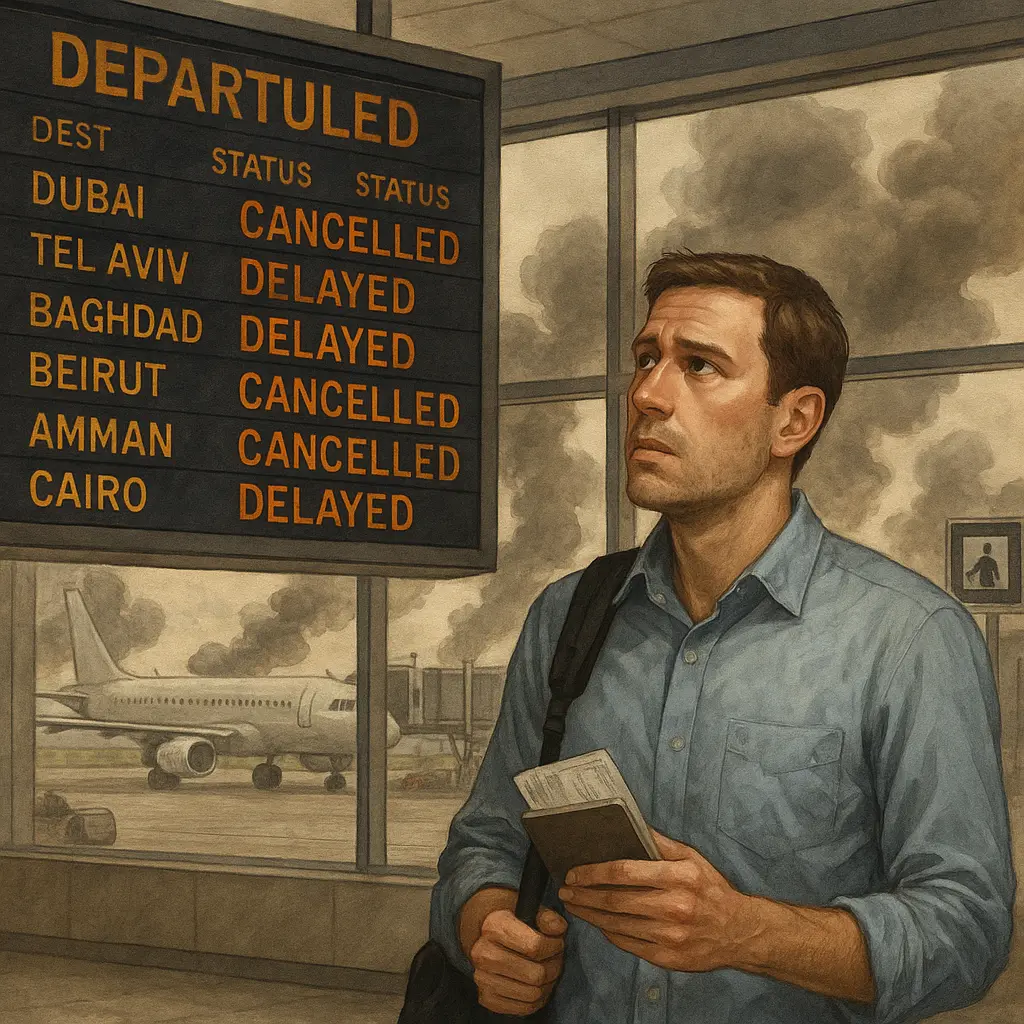
Understanding the Ongoing Aviation Chaos in the Middle East
The conflict with Iran has led to significant disruptions in air travel across the Middle East. This situation affects many travelers who need to navigate their plans carefully. With airspace closures and limited flights, it’s crucial for travelers to stay informed about how this impacts their plans.
The Impact of Airspace Closures on Travel Planning
Current Travel Restrictions
Several countries near Iran have closed their airspace, making it difficult for flights to operate normally. The U.S. State Department is advising citizens to leave the region as soon as possible, while other governments, including Canada and Australia, are echoing similar warnings. This means that travelers need to have flexible plans and remain updated on the situation.
Travel Options Available
- Check for available commercial flights from the UAE, as some are still operating.
- Consider alternate routes that might bypass closed airspaces, such as flying north over the Caucasus or south via Egypt.
- Stay connected with airlines for the latest flight updates and rebooking options.
Who Is Affected by the Travel Disruptions?
Different types of travelers are impacted by the ongoing chaos. Tourists, business travelers, and expatriates may all face unique challenges.
Tourists and Short-Term Visitors
Tourists might find themselves stranded or facing canceled flights. It’s essential to check travel advisories and consider alternative means of transportation or accommodations.
Business Travelers
For business travelers, the sudden changes can affect meetings and conferences. Flexibility in scheduling is crucial.
Expatriates and Long-Term Residents
Expatriates may want to leave the region but find flight availability limited. They should explore options such as repatriation flights or land routes.
Planning Ahead: What to Consider When Booking
Flexible Travel Plans
Travelers should prioritize flexibility when booking flights. Airlines like Emirates and Etihad are allowing changes to dates without extra fees for impacted travelers. Always confirm policies with the airline before finalizing plans.
Emergency Travel Resources
- Enroll in the Smart Traveler Enrollment Program (STEP) for U.S. citizens to receive updates and assistance.
- Keep contact information handy for embassies or consulates in case of emergencies.
- Monitor government advisories for any changes in travel restrictions or safety alerts.
What to Expect in the Coming Days
The situation remains fluid, and travelers can expect continued disruptions. While some flights are resuming, availability is limited, and prices may increase due to high demand.
“I just want to get home, but every flight is booked. It’s frustrating.”
“I never thought my vacation would turn into a scramble to find a way out.”
Analyzing the Travel Demand and Experience
Travel demand is likely to spike as travelers try to leave the region quickly. This surge in demand may lead to higher prices and limited availability. Flights may experience increased times and fuel usage as airlines navigate around closed airspaces, affecting the overall travel experience.
- Expect longer wait times and possible flight cancellations.
- Be prepared for higher costs as airlines adjust to the situation.
- Consider alternative transportation methods, such as land or sea routes, if air travel becomes too complicated.
Staying informed and flexible will be essential for all travelers during this challenging time. Monitor updates regularly and consult with airlines to navigate the chaos effectively.