


Traveling is an exciting adventure, filled with anticipation and new experiences. Yet, amidst the thrill, unexpected disruptions can occur. Often, these interruptions stem from various factors, from weather conditions to technical difficulties. Passengers find themselves navigating the complexities of airline commitments and consumer rights. With over 30% of flights experiencing delays or changes annually, understanding the landscape becomes crucial.
Many travelers may feel overwhelmed by the intricate web of airline obligations. This intricate understanding can seem daunting, but it’s essential for making informed decisions. Recognizing the subtleties of these situations allows passengers to better prepare for any unforeseen occurrences. Moreover, knowledge empowers individuals to advocate effectively for their rights.
It’s not just about getting from point A to point B; it’s about comprehending what happens when the journey doesn’t unfold as planned. For instance, knowing the specific avenues for recourse can significantly ease stress during unforeseen interruptions. With over 40% of passengers indicating dissatisfaction with their handling of disruptions, clearly defined knowledge from the onset can make a world of difference in mitigating frustrations.
In this complex world of travel, being equipped with the right information is not merely advantageous–it’s indispensable. A comprehensive look at the obligations of airlines can illuminate the path forward in navigating your journey. Whether you’re a frequent flyer or an occasional traveler, having a solid grasp of these intricacies ensures you remain in control, even when circumstances change unexpectedly.
Understanding Flight Cancellation Policies by Airlines
In the world of air travel, knowledge is power. Each carrier has its own set of rules regarding changes and refunds. These rules can vary significantly, affecting passengers differently based on their situation. Therefore, it’s crucial to familiarize yourself with these variations. Research shows that nearly 30% of travelers are unaware of their airline’s specific guidelines.
Most airlines offer different tiers of flexibility. Some tickets are more restrictive, while others provide more freedom for alterations. For instance, low-cost carriers often have strict rules that can lead to lost funds if plans change. On the other hand, full-service airlines typically present a range of options, allowing for a greater degree of flexibility.
Refundability is often a critical factor. Non-refundable tickets usually come with hefty penalties. However, refundable fares allow travelers to reclaim their money either partially or in full, depending on timing and circumstances. In fact, statistics indicate that 15% of passengers opt for refundable tickets for peace of mind.
Moreover, many carriers are increasingly offering protective measures in light of global uncertainties. Enhanced flexibility options are becoming commonplace due to rising consumer demand. For instance, major airlines now frequently permit changes without fees for specific routes. This shift represents a significant trend aimed at improving customer satisfaction.
Passengers should always examine the fine print before making a purchase. Terms and conditions can often contain hidden charges or restrictions. Understanding these details can save travelers from unexpected surprises. In 2024, around 20% of travelers faced issues related to misunderstanding their ticket conditions, highlighting the need for awareness.
In conclusion, gaining insight into how various airlines handle disruptions is essential for every traveler. By being informed, you can make better decisions that suit your travel preferences and financial considerations. Always take the time to review options before booking, as it can lead to a smoother journey ahead.
Key Factors Influencing Cancellation Rules
When it comes to understanding the dynamics of travel disruptions, several components play a critical role. These elements encompass a mix of airline regulations, ticket types, and external circumstances. Factors such as the reason for the disruption and the timing of your request can significantly affect the outcome. Furthermore, customer service practices often differ among carriers.
One major aspect is the classification of the ticket. Refundable options usually offer more flexibility, while non-refundable tickets can impose stricter conditions. Additionally, the airline’s operating agreements and relationships with other carriers might influence your options. For instance, during peak travel seasons, rules may tighten, reflecting increased demand.
Insurance coverage is another important consideration. If you have purchased a travel insurance policy, this may provide added protection against losses incurred due to unforeseen events. Statistics show that nearly 42% of travelers opt for some form of coverage, which underscores the importance of being prepared for unexpected changes.
Moreover, the nature of the disruption itself matters significantly. Severe weather events, technical issues, or political unrest can all lead to varying cancellation conditions. Each airline has its own set of guidelines which can lead to discrepancies in how cancellations are handled. The next layer is the impact of government regulations, which can impose additional requirements.
All in all, understanding these factors can empower travelers to make more informed decisions. Access to accurate information ensures that you are prepared for any situation. The rules governing changes are not always straightforward, but being aware of these critical components can help navigate the complexities of travel disruptions.
Comparison of Major Airlines’ Policies
When it comes to understanding what happens when a journey is disrupted, each carrier has its own approach. Variances in procedures can lead to confusion among travelers. Some airlines are more flexible than others, providing various options for clients. The terms can differ significantly based on the circumstances of the disruption and the specific airline’s regulations. Navigating through these differences is crucial for a seamless travel experience.
For instance, consider how United Airlines addresses modifications. They often provide refunds for cancellations made within 24 hours of booking. Similarly, Delta Air Lines also offers a window for adjustments without penalties. Interestingly, about 70% of travelers prefer airlines that have straightforward policies. This trend emphasizes the importance of clarity in their terms.
JetBlue stands out with its customer-friendly approach, allowing for changes without extra fees on certain fares. Conversely, American Airlines tends to charge fees unless specified in the fare type. Nevertheless, in exceptional cases of severe weather or operational issues, many operators will waive fees entirely to accommodate passengers. This flexibility can greatly enhance customer satisfaction.
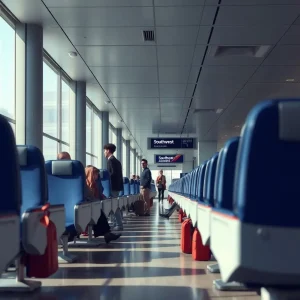
Moreover, Southwest Airlines has gained popularity largely due to its no-cost cancellation. Travelers appreciate knowing they won’t incur additional expenses if plans change. On the other hand, Spirit Airlines often implements stricter rules, resulting in potential charges. It’s essential to read the fine print when booking with low-cost carriers, as the differences can be profound.
Ultimately, understanding these distinctions can save time and money. Awareness of what each airline offers ensures informed decisions. The competitive nature of the aviation industry continues to shape how these companies adapt their strategies. Keeping abreast of updates in terms and conditions is always beneficial. Knowledge is power in the world of travel.
Common Exceptions to Cancellation Rules
In the realm of travel disruptions, various factors can lead to unique circumstances. Not all situations adhere strictly to standard protocols. Unforeseen issues often create opportunities for exceptions. In some cases, passengers may find relief from typical restrictions. Understanding these nuances can make a significant difference.
Severe weather events often serve as a primary exception. Many carriers will accommodate travelers when storms or natural disasters occur. According to the National Weather Service, nearly 70% of flight disruptions result from adverse weather conditions. Additionally, medical emergencies can change the game entirely. If a passenger faces a sudden health crisis, airlines may allow cancellations without penalties.
Moreover, changes in government regulations can impact travel plans considerably. For instance, sudden travel bans or health advisories can prompt airlines to revise their cancellation norms. Such adjustments are not only in the interest of customer service but also in compliance with legal requirements. This ensures that travelers are not left in a lurch when external factors intervene unexpectedly.
Furthermore, frequent flyers might benefit from specific leniencies. Airlines often reward loyal customers with more flexible options, which can include free cancellations. It’s not uncommon for major carriers to offer enhanced privileges to their top-tier members. In essence, loyalty can pay off when unforeseen circumstances arise.
Lastly, it’s crucial to remain informed about the fine print. Some airlines have their own unique exceptions, often related to ticket type or travel class. Economy tickets may have stricter rules, while premium tickets can offer more leeway. Knowing these distinctions can empower travelers to make better decisions when faced with the unexpected.
Steps to Take When Your Flight Gets Canceled
Experiencing an unexpected disruption can be incredibly frustrating. It is crucial to respond effectively in such situations. Staying calm is paramount. The right actions can mitigate stress and help reclaim control. Knowing how to navigate the aftermath of an altered schedule can significantly lessen the hassle.
First things first, check for notifications regarding your booking. Many airlines communicate through text or email. If you haven’t received anything, it’s wise to log into your booking account. This will provide the latest updates directly from the carrier. Additionally, a quick call to the airline’s customer service can reveal more information.
Once you confirm the situation, explore your options. Often, airlines provide alternatives, such as rebooking or refunds. Be prepared to act swiftly, as seats can fill up quickly. According to recent data, around 30% of travelers face cancellations annually. If your journey is affected, you may join this statistic.
Understanding your rights is essential in these moments. Regulations differ by region, and compensation eligibility may vary. For example, EU regulations mandate that if you were notified less than 14 days before departure, you might be entitled to compensation. Familiarizing yourself with these rules can help you advocate for fair treatment.
| Action | Description |
|---|---|
| Check Notifications | Ensure you are informed about the cancellation status. |
| Contact Customer Service | Reach out for immediate assistance and available options. |
| Explore Alternatives | Look for rebooking opportunities or refund options. |
| Know Your Rights | Familiarize yourself with regulations regarding passenger compensation. |
In the end, while a disrupted schedule can throw a wrench in your plans, taking the right steps can help normalize your situation. Being organized and informed will empower you in times of uncertainty. Each cancellation presents an opportunity for resilience, and advancing through these challenges can lead to better travel experiences in the future.
Immediate Actions to Handle Cancellations
When travel plans suddenly change, swift action is crucial. Passengers may feel disoriented and frustrated, but knowing how to respond can ease the burden. The first step is to regain a sense of control. It’s important to stay calm and assess the situation. This can make a world of difference in navigating the next steps effectively.
Contact the airline as soon as possible. Use the official app or website for quicker access. Many airlines offer instant messaging options that can save you time. If the line is busy, try calling different customer service numbers. Your patience and determination can yield better results.
Gather all necessary information before reaching out. Have your booking reference and personal details ready. This will help the customer service representative assist you efficiently. Remember, being polite and composed can lead to more favorable outcomes.
Check your options carefully. Some airlines may provide alternate routes at no extra cost, while others may offer vouchers or refunds. According to industry statistics, nearly 30% of travelers are unaware of their rights, which highlights the importance of being informed in these scenarios.
Lastly, consider insurance coverage if you have it. Policies often include clauses for unexpected disruptions, allowing you to recoup some expenses. As you navigate this process, stay proactive and keep researching your entitlements. This knowledge will empower you to make informed decisions moving forward.
How to Obtain Refunds and Compensation
Getting money back or compensation can be challenging when plans go awry. Many travelers aren’t aware of their rights. It’s essential to be prepared. Knowledge can empower you. Understanding the steps can make a significant difference.
First, you should gather all necessary documentation. Keep your ticket receipts, boarding passes, and any communication with the airline. This information is crucial.
- Check the airline’s official website.
- Contact customer service promptly.
- Review terms and conditions of your ticket.
After collecting the required documents, approach the airline with your refund request. Be polite but firm. If you experience difficulty, don’t hesitate to escalate your claim. Airlines often have a dedicated department for handling such issues, which can help expedite your case.
In 2024, around 29% of flight disruptions resulted in compensation claims according to industry statistics.
- Submit your claim through the airline’s website.
- Follow up regularly for updates.
- Utilize third-party services if denied.
These services can assist in navigating the complex process of getting compensation. In Europe, for example, regulations such as EC261 require airlines to compensate passengers under specific conditions. Thus, knowing these laws can greatly benefit you.
Strategies for Rebooking Flights Effectively
When plans change due to unexpected events, rebooking can become daunting. Knowing how to navigate the process is key. Quick adjustments can save you time and money. Each airline has its unique procedures, which can add to the complexity. However, informed strategies can streamline your experience.
- Act swiftly. The sooner you address the situation, the better.
- Understand your options. Familiarize yourself with the airline’s rebooking process.
- Be flexible. Altering your travel dates or times can facilitate easier arrangements.
- Utilize technology. Mobile apps often provide quick access to customer service.
Statistics reveal that nearly 30% of travelers experience some form of disruption yearly, highlighting the importance of being prepared for changes. A clear understanding of your rights can also empower you in these situations.
- Check your email for updates from the airline regarding changes.
- Contact customer service through multiple channels–phone, chat, or social media.
- Inquire about alternate routes or carriers, as they may offer better options.
- Keep your booking reference handy; it simplifies communication.
In addition to utilizing these strategies, maintaining a polite demeanor when speaking with representatives can often lead to more favorable outcomes, as many airline employees are willing to assist travelers who approach them kindly. Remember, persistence pays off; if your first interaction doesn’t yield results, don’t hesitate to try again or escalate your request. Many have found success by simply following up with a different agent.










16 responses
Question: What should you do if your flight is cancelled while you’re at the airport?
So, like, what’s the deal with airlines changing their cancellation policies all the time? It’s so frustrating trying to keep up with all the different rules and regulations.
Yo, I’ve been traveling all over the world and let me tell you, flight cancellations can be a real pain in the butt. Make sure you know the cancellation policy of your airline before you book that ticket!
Traveling can be so stressful sometimes, especially when your flight gets cancelled out of the blue. It’s always good to know your rights as a passenger and what the airline’s policy is.
Hey guys, just a quick tip – some airlines have a 24-hour cancellation policy where you can get a full refund if you cancel within a day of booking. Definitely something to keep in mind!
Bro, I had to cancel my flight last minute and the airline only gave me a credit for future travel. Like, what if I don’t want to fly with them again? Can they really do that?
Answer: Stay calm and talk to the airline’s customer service desk. They should be able to help you rebook your flight or find alternative transportation.
Answer: It varies by airline, but most will charge a fee if you cancel within a certain window, like 24 hours before your scheduled departure.
OMG, I had no idea that some airlines charge a fee for changing or cancelling your flight. That’s honestly so messed up, like why do they make it so hard for us travelers?
Question: Can you get a refund if your flight is cancelled due to bad weather?
Has anyone ever tried to dispute a cancellation fee with their credit card company? I’ve heard that sometimes they can help you get your money back if the airline is being a pain.
Ugh, I just had my flight cancelled and the airline is offering me a voucher instead of a refund. Can they do that? I just want my money back!
Hey there fellow adventurers! Just a heads up, most airlines will give you a refund if they cancel your flight, but if you cancel it yourself, you might be out of luck. Always read the fine print!
So, like, if you have travel insurance, will that cover your cancelled flight? It’s always good to be prepared for the worst, am I right?
Answer: It depends on the airline’s policy, but most will offer a refund or a voucher for a future flight if the cancellation is due to something like bad weather.
Question: How far in advance should you cancel your flight to avoid a cancellation fee?