Understanding Emergency Landings and Their Impact on Travel Planning
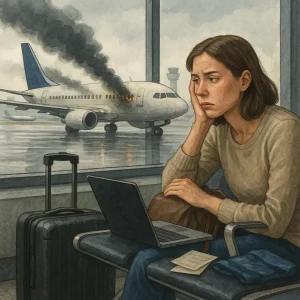
Recently, a Swiss International Air Lines flight had to make an emergency landing due to smoke in the cabin and cockpit. This incident emphasizes the importance of safety and preparedness while traveling. Travelers should understand how such events can affect their plans, decisions, and overall travel experience.
What Happened and How It Relates to Travel
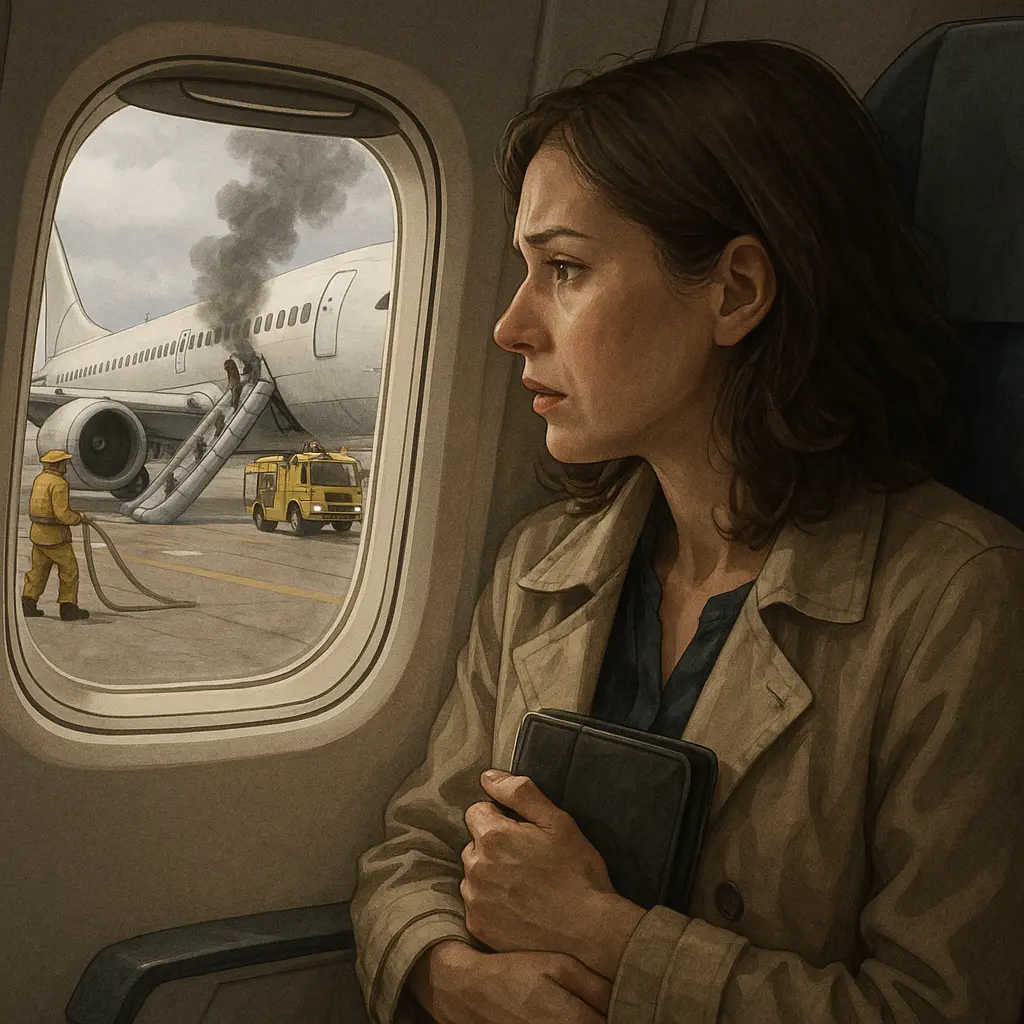
The flight LX1885 was traveling from Bucharest, Romania to Zurich. Mid-flight, the crew noticed engine issues and smoke, leading to an emergency landing in Graz, Austria. Fortunately, all passengers and crew were evacuated safely. However, this situation raises concerns for travelers regarding flight safety and reliability.
Travelers should be aware that incidents like these, while rare, can occur. Understanding the protocols airlines follow during emergencies can help you remain calm and prepared if you ever face a similar situation.
Types of Travelers Affected by Flight Emergencies
Emergency landings can impact various types of travelers differently:
- Business Travelers: They may face delays in reaching important meetings or events.
- Families: Traveling with children can add stress during emergencies, making it crucial to keep kids informed and calm.
- Frequent Flyers: For those used to flying, unexpected events can be unsettling, affecting their confidence in air travel.
Planning for Emergency Scenarios While Traveling
When planning your travel, consider potential emergency scenarios. Here are some tips to keep in mind:
- Check the airline’s safety record and emergency procedures before booking your flight.
- Have a travel plan that includes alternative routes or airlines in case of cancellations or emergencies.
- Stay informed about your flight status, especially on the day of travel.
By having a plan, you can reduce anxiety and improve your travel experience, even in unexpected situations.
What to Consider When Booking Flights
When scheduling your trip, consider these factors:
- Flight times: Red-eye flights may be more prone to fatigue-related issues among crew.
- Airline reputation: Look for airlines known for their good safety records and customer service.
- Travel insurance: Consider purchasing insurance that covers trip delays or cancellations due to emergencies.
These considerations can help you make more informed travel decisions.
Setting Realistic Expectations for Future Travel
Travelers should be realistic about their expectations. While emergencies are uncommon, they can happen. Here’s what to keep in mind:
- Most flights operate smoothly with trained crews who handle emergencies effectively.
- Airlines are required to follow strict protocols to ensure passenger safety.
- Staying calm and informed will enhance your travel experience, even during disruptions.
“I never thought I would experience an emergency landing. Now I know to be prepared and stay calm.”
Analyzing the Implications of Flight Emergencies on Travel Demand
Flight emergencies, although rare, can influence travel demand. When incidents like the Swiss International Air Lines emergency landing occur, some travelers may hesitate to fly, affecting airline bookings and availability. This can lead to:
- Increased demand for alternative transportation methods, like trains or buses.
- Changes in flight prices due to fluctuating demand.
- Airlines enhancing safety measures to reassure passengers.
Travelers should remain vigilant and adaptable, understanding that the travel landscape can shift based on these events. Keeping informed helps ensure a smoother travel experience.