

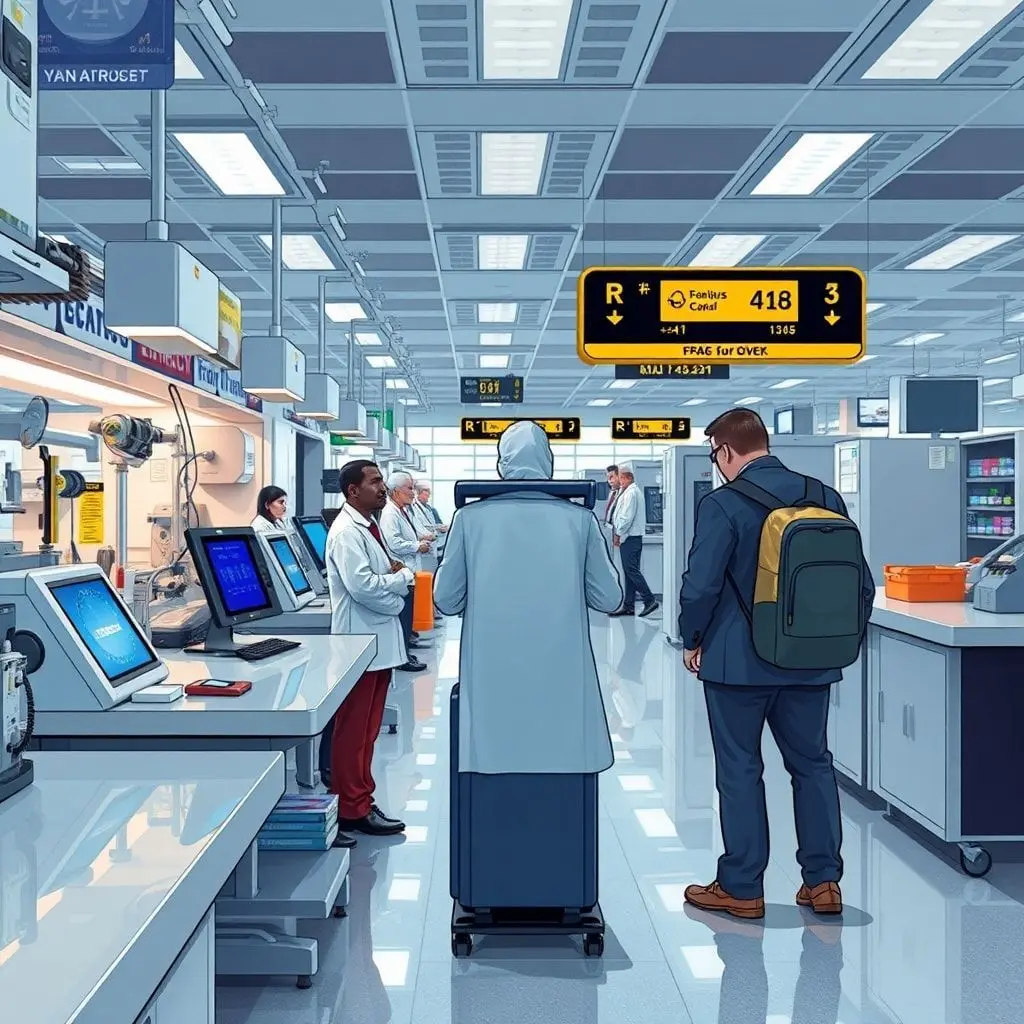
Modern travel has undergone significant evolution, and expectations keep rising. Passengers are no longer satisfied with merely waiting in crowded terminals. Efficient and enjoyable experiences have become a priority. As international travel numbers soar, innovative approaches take center stage. Every moment spent in transit can now be optimized.
Recent studies reveal that nearly 30% of all air travelers experience delays during connections. This impactful statistic highlights the need for improvement in operational efficiency. Solutions abound, from mobile applications guiding travelers through facilities to virtual reality lounges offering immersive experiences. With these advancements, the mundane task of waiting has become an opportunity for exploration.
Enhanced connectivity and information accessibility play crucial roles in shaping this transformation. Communication tools ensure that passengers receive real-time updates about flight statuses and potential gate changes. Customization options now allow travelers to tailor their waiting times, choosing from options like local cuisine tastings or relaxation zones. These enhancements are not just conveniences; they aim to redefine the entire journey experience.
As a result, passengers feel empowered. They engage with surroundings, making the most of their time. With the integration of smart solutions, transit hubs are shifting from mere transition points to vibrant ecosystems, where every visit can be memorable and enjoyable. Innovations promise to make journeys smoother while significantly minimizing the frustrations associated with previous travel experiences.
Innovative Technologies Reducing Airport Wait Times
Advancements in various fields are reshaping experiences in transit hubs. Passengers today benefit from solutions that streamline processes and enhance convenience. Enhanced efficiencies are a priority, aiming to minimize the inconveniences that often accompany travel. As innovations emerge, they promise to make journeying smoother and more enjoyable.
Self-service kiosks have gained popularity in recent years. These devices allow travelers to check in without long lines. Some reports indicate that these kiosks can reduce waiting periods by up to 30%. With the integration of biometrics, such as facial recognition, the boarding process can be expedited significantly.
Mobile applications are now essential companions for many voyagers. They provide real-time updates on flight statuses and gate changes. A survey revealed that approximately 67% of travelers prefer using their smartphones for various travel-related tasks. As a result, unnecessary delays and miscommunications are minimized considerably.
Automated baggage handling systems represent another leap forward. These advanced setups ensure bags are processed swiftly and accurately. With fewer manual interventions, the likelihood of lost luggage decreases. Studies show that implementing automation can lead to a reduction in baggage claim time by nearly 50%.
Contactless payments have revolutionized retail experiences within terminals. Travelers can make purchases quickly and securely, eliminating slow transaction times at checkout lines. Recent statistics suggest that nearly 75% of passengers favor contactless options to enhance their convenience while waiting.
Unified platforms combining multiple services into one interface further enhance user experiences. Such systems allow booking, navigation, and information access all in one place. This integration not only saves time but also eliminates the frustration of juggling multiple apps and websites, resulting in a seamless journey through the terminal.
Artificial Intelligence Enhancing Passenger Flow Management
Innovative advancements in artificial intelligence are reshaping the way passengers navigate their journeys. These smart systems analyze real-time data to streamline movement within terminals. As a result, travelers experience reduced congestion and improved efficiency. By harnessing powerful algorithms, airports can predict passenger arrivals with remarkable accuracy.
According to recent studies, effective passenger flow management can enhance the overall travel experience by 30%. Queue times shrink, and stress levels diminish, creating a more pleasant environment. AI-driven solutions identify bottlenecks before they escalate into major issues. Furthermore, they empower airport staff with insights to make informed decisions.
Efforts to optimize traffic not only benefit travelers but also contribute to operational excellence. Real-time analytics can flag irregular patterns, allowing for immediate adjustments to resource allocation. With artificial intelligence as a cornerstone, airports are transforming into more responsive entities, improving overall service performance. Such dynamic approaches help facilities handle fluctuating passenger volumes during peak periods efficiently.
As an illustration, a major international airport in 2024 reported a 25% reduction in average wait times after implementing AI technologies. This improvement reflects a broader trend where data-driven strategies redefine how facilities engage with passengers. Focused on enhancing experiences, airports are embracing the potential of artificial intelligence in flow management.
Smart Automation Streamlining Check-In Procedures
Automation is reshaping check-in experiences for travelers worldwide. This shift ensures smoother operations and enhances passenger satisfaction. Passengers increasingly prefer quick and efficient solutions. Innovations are making traditional processes faster and more convenient. As a result, time spent in queues has significantly reduced.
According to recent studies, over 70% of travelers value seamless check-in.
Incorporating automated systems into check-in processes leads to numerous advantages:
- Self-service kiosks allow travelers to check in without long lines.
- Mobile applications offer check-in options at travelers’ fingertips.
- Facial recognition speeds up identity verification procedures dramatically.
- Real-time updates keep passengers informed about their flight status.
When combined, these features result in minimizing the time spent waiting, enhancing the overall journey. Airports that have adopted these automated systems report a decrease in check-in duration by up to 30%, which undoubtedly improves passenger flow and satisfaction.
As a noteworthy example, airlines utilizing advanced automation have seen a rise in positive feedback from customers. Many passengers appreciate the flexibility that self-service options provide. Furthermore, as more airports adopt such innovations, an increased demand for these services is anticipated. Adapting to these new technologies is not just beneficial; it’s becoming essential for meeting modern traveler expectations.
Biometric Systems Improving Security Screening Efficiency
Efficiency in security screening has become a pressing concern for travelers and authorities alike. Traditional methods often lead to long queues and frustrations. Advanced identification systems are changing this landscape. They promise to enhance both safety and convenience. With the introduction of biometric solutions, waiting periods are significantly reduced.
Recent studies indicate that airports implementing biometric measures reported a 30% decrease in processing times. This brings smoother experiences for passengers while maintaining robust security protocols. Recognizing facial features, fingerprints, or iris patterns eliminates the need for physical documents. Such advancements streamline the flow of people through checkpoints.
Furthermore, the application of these systems relies on sophisticated algorithms that analyze data rapidly. Speed and accuracy are vital in high-traffic areas where every second matters. The integration of biometric technology not only expedites procedures but also decreases the potential for human error. Many travelers feel a greater sense of security knowing that their identity is verified through reliable methods.
According to industry experts, by 2025, around 50% of airports are expected to adopt some form of biometric screening. This shift not only enhances traveler satisfaction but also supports staff efficiency. As biometric systems evolve, so too do the opportunities for improving overall performance during security checks. Investing in these solutions represents a proactive approach to modernizing processes and addressing concerns in travel safety.
Impact of Mobile Applications on Travel Experience
Mobile applications have revolutionized the way people journey. Travelers now have instant access to essential information. Booking, check-ins, and real-time updates are just a tap away. This convenience enhances comfort and minimizes stress, which many experience at transportation hubs.
Statistics reveal that approximately 80% of travelers rely on smartphones during their trips. They use apps for various purposes, including navigation, booking accommodations, and tracking flights. Increased connectivity has made it easier for individuals to stay organized. Timely access to information can lead to better decision-making throughout the journey.
In recent years, various studies have shown that users of travel apps report higher satisfaction levels. A survey by Phocuswright found that 71% of respondents believe applications improve their travel experience significantly. With this in mind, it’s crucial to consider how these platforms influence traveling habits.
| Feature | User Benefit |
|---|---|
| Real-time flight updates | Immediate awareness of schedule changes and gate information |
| Mobile boarding passes | Streamlined check-in process, reducing physical contact |
| Location-based services | Tailored recommendations for dining and shopping nearby |
| Integrated payment options | Convenient transactions without needing cash or cards |
Moreover, mobile applications create a more personalized experience by analyzing user preferences. This capability allows for recommendations that suit individual tastes. Consequently, travelers can explore new opportunities and discover hidden gems during their trips.
As the digital landscape evolves, it is evident that mobile applications will continue shaping travel experiences. Users can expect even more advanced features in the coming years. Enhanced personalization and seamless integration with numerous services will further enrich the journey.
Real-Time Notifications for Flight Updates and Gate Changes
Instant communication plays a vital role in modern travel experiences. Passengers crave timely information to navigate their journeys smoothly. Notifications allowing travelers to stay informed about their flights enhance peace of mind. With evolving methods of communication, waiting becomes less frustrating.
Real-time alerts can transform a tedious experience into a streamlined one. Imagine receiving updates directly to your smartphone, keeping you in the loop. Notifications cover various aspects, including:
- Flight delays
- Gate changes
- Cancellation notices
- Boarding reminders
According to recent studies, about 70% of travelers prefer receiving updates via mobile applications. This statistic highlights a growing trend among airline passengers who desire immediate information at their fingertips.
Airlines and airports are leveraging innovative applications to meet these demands. Users can avail themselves of personalized settings for alerts, helping to manage their schedules effectively. When flights are delayed, travelers get notified instantly, allowing them to adjust their plans. Meanwhile, gate changes can be communicated without the need for loudspeakers, minimizing confusion and ensuring that travelers don’t miss important updates.
Implementing such systems enhances passenger satisfaction. It reduces anxiety and, ultimately, fosters a more positive travel environment. As companies invest in advanced notification systems, the travel journey becomes increasingly effortless. This approach not only benefits travelers but also streamlines airport operations, leading to increased efficiency.
Overall, seamless updates enable passengers to focus on enjoying their journeys. They can relax, knowing they will receive timely notifications about any changes that might affect their plans.
Interactive Airport Maps Guiding Travelers Through Terminals
Navigating complex terminal layouts can be overwhelming for many passengers. With an increasing number of travelers every year, efficient guidance becomes essential. Innovative mapping solutions are now available, aiming to streamline this experience. These interactive guides can provide real-time information, enhancing overall satisfaction.
Statistics show that around 70% of travelers express frustration with navigation in airports. Interactive maps address this issue by offering detailed layouts, including shops, lounges, and gates. This is more than just a static display; it’s an engaging experience designed to make journeys smoother. With features like multi-language support, users from different backgrounds can easily understand their surroundings.
A seamless integration of these maps into mobile apps is becoming commonplace. Travelers can access directions from their current location to their destination within the terminal. Additionally, features like estimated walking times offer further convenience. By leveraging GPS and user location data, these systems are optimizing movement through busy spaces.
As airports continue to evolve, enhancing passenger experience remains pivotal. Real-time updates about delays or changes to gate assignments play a crucial role in reducing anxiety among fliers. Incorporating these maps into digital platforms represents a significant shift in operational efficiency. This integration ultimately fosters a more enjoyable atmosphere, encouraging visitors to prefer specific airports in the future.











23 responses
It’s crazy to think about how much technology has already improved the travel experience. I can only imagine how much better it’ll get in the years to come.
I wonder if they’ll have self-driving luggage carts in the future. It would be so convenient to just hop on and have it take you to your gate without lifting a finger.
I heard they’re developing smart lanes at security checkpoints that can automatically detect prohibited items. That would definitely help speed up the process.
Do you think robots will be helping travelers with directions and information at airports? I can’t wait to see what the future holds!
Can you imagine a world where we can just breeze through airport security without having to take off our shoes and belt every time? That would be the dream!
I heard they’re working on using facial recognition technology to speed up the boarding process. That would be so dope, no more waiting in long lines to show your boarding pass.
I can’t wait for the day when we can just walk through a scanner that checks everything in our bags without having to unpack them. That would save so much time!
Yo, imagine not having to wait for hours on end at the airport during layovers. With technology advancing like crazy, I bet we’ll be able to streamline the whole process and make it super quick and efficient.
I hope they come up with a way to track down lost luggage using GPS technology. It would save so many travelers from the stress of lost belongings.
I bet in the future, airports will have virtual reality lounges where you can escape the chaos and relax before your flight. How cool would that be?
Agreed! I’m excited to see how airports will continue to innovate and integrate new technologies to enhance the passenger experience.
As a frequent traveler, I can’t wait to see how technology will continue to revolutionize the way we experience layovers.
I sure hope so! I can’t stand waiting in those never-ending lines just to get through security.
That would definitely make traveling a lot easier and more seamless. I’m all for anything that can simplify the process.
Hey, does anyone know if there are plans to implement self-service baggage drops to speed up the check-in process?
Imagine just walking straight onto the plane without having to fumble around with paper tickets. That would be amazing!
Robots helping out at the airport? That sounds like something straight out of a sci-fi movie!
Technology is constantly evolving, so I have high hopes that we’ll be seeing even more improvements in the near future.
Wouldn’t it be great if we could just drop our bags off ourselves and not have to deal with long lines at the check-in counter?
Can you imagine not having to wait in line for a boarding pass anymore? That would make life so much easier!
It would be a game-changer if airports could streamline the security process using innovative technology.
For real though, I’m all for anything that can make the whole airport experience less stressful and more efficient.
Yo, as a travel enthusiast, I am totally stoked about the idea of technological advancements cutting down on airport wait times. Ain’t nobody got time to be sitting around twiddling their thumbs!