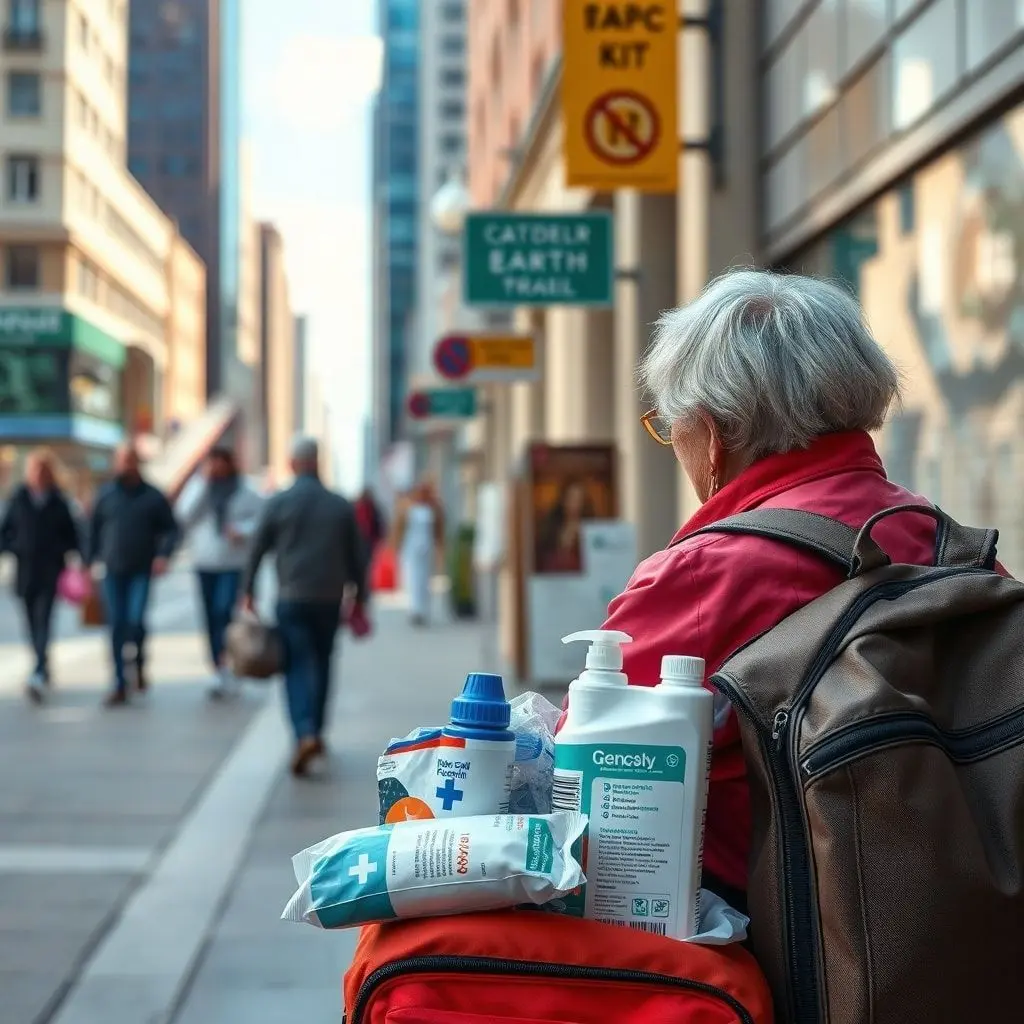
Prioritize safety during air travel by including specific items in your travel supplies. Research indicates that approximately 40% of older adults experience health issues while traveling, making preparedness critical. Start with a supply of prescription medications, clearly labeled and accompanied by a doctor’s note, to avoid complications at security checks.
Include a comprehensive assortment of bandages, antiseptic wipes, and gauze pads to manage minor injuries. A recent survey highlighted that travelers aged 65 and older report an increased likelihood of minor injuries, particularly in unfamiliar environments. This makes sufficient coverage non-negotiable.
Additionally, compact tools such as a digital thermometer and a portable blood pressure monitor enable quick health assessments. Data show that 25% of international travelers within this demographic encounter health concerns that could be efficiently addressed with on-hand monitoring devices.
Finally, ensure to incorporate a reliable communication tool, such as a fully charged mobile device with important contacts accessible, to facilitate quick access to assistance if needed. Maintaining confidence and readiness can significantly enhance the travel experience.
Critical Medications and Their Importance
Carrying a personalized supply of medications can significantly enhance the safety of senior voyagers during flights. It’s crucial to have enough of each prescribed drug to last the entire trip, plus a few extra days in case of delays. The U.S. Department of Transportation advises that travelers should pack medications in their carry-on luggage, ensuring they remain accessible and not exposed to extreme temperatures.
Medication adherence is vital, with studies indicating that about 40-50% of patients do not take medications as prescribed. This non-adherence can lead to severe complications, especially for serious conditions such as hypertension, diabetes, or cardiovascular diseases. Having a reliable supply minimizes the risk of missed doses, which can be detrimental to health.
For those needing specific medications for chronic conditions, it’s wise to carry documentation of prescriptions, preferably in English. This is particularly important when taking the Azores Islands flights or flights to Tokyo, where different regulations may apply. If there are any changes in medication, travelers should consult their healthcare providers before departure to avoid any potential risks associated with travel.
Furthermore, medications should be stored in their original containers to clearly display prescriptions. According to the National Institutes of Health, nearly 1 in 5 older adults experience adverse drug reactions, underscoring the necessity for careful management of medications when traveling.
Finally, preparing for time zone changes can be a critical factor. Adjusting medication schedules in accordance with new time zones ensures that seniors remain compliant with their treatment regimens throughout their travels.
Daily Medications: What to Include
Include a comprehensive list of daily medications and any necessary prescriptions. Each medication should be in its original packaging, clearly labeled with the name, dosage, and prescribing physician. This ensures easy identification during security screenings as well as access in case of medical emergencies.
Consider the following specific types of medications:
| Medication Type | Examples | Notes |
|---|---|---|
| Chronic Condition Medications | Insulin, Blood Pressure Medications | Ensure an adequate supply for the duration of travel. |
| Cardiovascular Drugs | Statins, Anticoagulants | Carry a prescription in case of loss. |
| Respiratory Medications | Inhalers, Allergies Medications | Check expiration dates before travel. |
| Pain Relievers | Acetaminophen, Ibuprofen | Keep in original packaging for safety. |
| Specialty Medications | Hormone Therapies, Biologics | Confirm storage requirements, such as refrigeration. |
Always bring a detailed medication schedule that outlines dosage times and quantities to avoid any interruptions during travel. It’s advisable to pack additional doses to cover delays or changes in plans. For international trips, check regulations regarding the transportation of medications in advance.
Additionally, with travel becoming more frequent, monitoring health conditions while overseas is essential; consider discussing travel plans with a healthcare provider before departure. For flights within Italy, check flights in italy for any specific airline regulations regarding medication transport.
Each traveler should also ensure they understand the local healthcare system in their destination. Accessing treatment may differ from one’s home country, thus researching ahead is beneficial. Lastly, when booking travel, use resources that provide comprehensive support through your travel experience, such as checking itsly flights for options that suit your needs.
Emergency Medications: When to Pack Extra
Carry at least a week’s supply of prescribed medications, plus an additional 20% as a buffer for delays. This accounts for typical travel disruptions, which affected over 30% of flights in 2024 according to the Bureau of Transportation Statistics.
For individuals managing chronic conditions, like hypertension or diabetes, ensure that prescriptions are easily accessible. Medications should remain in original packaging to avoid issues at customs or airports.
In the event of allergies, an extra dose of antihistamines or an autoinjector for severe allergic reactions should be standard practice. Approximately 2% of air travelers experience allergic reactions during flights, so preparedness is key.
Consider consulting with a healthcare provider about additional medications that could be beneficial during travel, such as anti-nausea shocks or pain relief options, given that around 25% of passengers report discomfort during air travel.
Finally, keep all medicines in your carry-on luggage. The TSA recommends having at least 3.4 ounces of liquid medications accessible, ensuring quick access when needed. Packing these wisely can help mitigate any potential health risks while traveling.
Over-the-Counter Pain Relief: Best Choices
Ibuprofen and acetaminophen are the leading choices for mild to moderate discomfort during flights. They are widely available and effective in alleviating headaches, muscle soreness, and other common pain scenarios. Consider the following points:
- Ibuprofen: Typically, a dose of 200-400 mg every 6-8 hours can help with inflammation and pain. However, it should be taken with food to reduce gastrointestinal irritation.
- Acetaminophen: Commonly used at 500-1000 mg every 4-6 hours; it’s easier on the stomach. It’s particularly valuable for individuals on blood thinners.
Both options should be adjusted according to individual health conditions. Before flying, consult a healthcare professional, especially if taking other medications, as drug interactions can lead to complications.
Remember to stay hydrated, as dehydration can exacerbate discomfort during air travel. Consider packing electrolyte solutions or tablets to maintain hydration levels.
For those expecting longer flights, additional items like topical pain relief creams, such as those containing menthol or lidocaine, can be beneficial for localized soreness. This method helps avoid systemic medication issues.
When planning your next trip, such as cheap punta cana flights or madrid spain flights, prioritize choosing the right pain relief strategy to ensure a pleasant and comfortable experience while traveling.
Managing Chronic Conditions: Specific Supplies Needed
Carry a sufficient supply of required medications, including a two-week extra supply. This accounts for unexpected delays or changes in travel plans.
- Prescription medications: Ensure all medications are clearly labeled and stored in original containers.
- Medication list: Prepare a detailed list of all prescriptions, dosages, and purposes, along with physician contact information.
- Medication organizer: Use a pillbox to manage daily doses, facilitating adherence to schedules.
- Emergency medications: Include asthma inhalers, antihistamines, or emergency epinephrine if needed.
Accessibility is key; utilize a secure but easy-to-reach compartment in carry-on luggage.
- Medical devices: Ensure all necessary equipment, such as a blood glucose meter or nebulizer, has functioning batteries.
- Backup supplies: Have extra test strips, lancets, and syringes if applicable.
Consider transport and storage of cold-sensitive medications. Gel packs or insulated bags may be needed for items requiring refrigeration.
- Health records: Obtain a summary of medical history, allergies, and emergency contact numbers to present to healthcare professionals if necessary.
- Travel insurance: Verify that it covers pre-existing conditions, offering peace of mind while traveling.
When planning your trip, look into cancun flights tickets which can facilitate a smoother journey amidst managing chronic conditions.
First Aid Supplies for Common Travel Ailments
Prepare for motion sickness with antihistamines like dimenhydrinate or meclizine. These medications should be taken at least an hour before travel for optimal effectiveness, as studies show they reduce symptoms in approximately 75% of users.
To combat dehydration, especially during long flights, pack electrolyte packets or effervescent tablets. According to the CDC, maintaining hydration can minimize fatigue and improve overall comfort. Aim for at least 8 ounces of water every hour during air travel.
Keep a selection of adhesive bandages for minor cuts and bruises. The Centers for Disease Control and Prevention report that 30% of travelers experience some form of injury during their trips. A variety of sizes will help address different types of wounds.
For headaches, nonsteroidal anti-inflammatory drugs (NSAIDs) such as ibuprofen or naproxen are effective. Research indicates that about 15% of flyers report experiencing headaches due to changes in cabin pressure. Dosage should align with package instructions to ensure safety.
Digestive discomfort is common among travelers. Probiotics can help maintain gut health, especially during transitions in diet. Studies suggest that probiotics can reduce the incidence of travel-related digestive issues by approximately 50%.
| Ailment | Recommended Supply | Statistic |
|---|---|---|
| Motion Sickness | Antihistamines (dimenhydrinate, meclizine) | 75% success rate in symptom reduction |
| Dehydration | Electrolyte packets/tablets | 8 ounces of water/hour recommended |
| Minor Injuries | Adhesive bandages | 30% of travelers experience injuries |
| Headaches | NSAIDs (ibuprofen, naproxen) | 15% of flyers report headaches |
| Digestive Issues | Probiotics | Reduce digestive issues by 50% |
Include a thermometer to monitor for fever, especially during long-distance travels where access to healthcare might be delayed. It’s beneficial to track temperature changes, as a fever in transit can indicate an underlying infection.
Lastly, a small tube of antiseptic ointment will prevent infection from minor wounds, supporting faster recovery. Research shows that proper wound care can decrease infection rates by up to 80% when applied timely.
Addressing Cuts and Scrapes: Essential Bandages and Ointments
Include sterile adhesive bandages in various sizes to accommodate different wounds, as they can promote healing and protect from infection. Studies indicate that 57% of minor injuries in adults involve cuts and scrapes, making these supplies invaluable for quick treatment.
Hydrocolloid dressings provide cushioning and moisture, which accelerate the healing process for deeper abrasions. Research shows that wounds treated with hydrocolloid materials heal 20% faster compared to traditional bandages.
Antiseptic ointments, such as those containing bacitracin or neomycin, help prevent infection. Clinical data reveals that applying a topical antibiotic can reduce the risk of infection in wounds by approximately 50% when used promptly.
For sensitive skin, consider non-adhesive dressings and silicone gel sheets to minimize irritation while keeping the area moist. With nearly 60% of seniors experiencing skin sensitivity, these options offer comfort along with protection.
Include gauze pads and tape for larger wounds, ensuring adequate coverage and absorbency. It’s reported that 40% of injuries may require substantial dressing, so having these on hand is critical.
Lastly, pack a small pair of scissors to cut bandages and gauze easily, allowing for efficient wound care without removing the patient’s focus from their comfort and safety.
Treating Allergies: Must-Have Antihistamines
When traveling, keeping antihistamines on hand is crucial for managing allergic reactions. Common over-the-counter antihistamines that should be included are diphenhydramine (Benadryl), loratadine (Claritin), and cetirizine (Zyrtec). Diphenhydramine is effective for fast relief but may cause drowsiness, making it less suitable for daytime use during travel.
Loratadine and cetirizine are non-drowsy options, ideal for those requiring long-term management of allergy symptoms. According to the Asthma and Allergy Foundation of America, around 50 million Americans suffer from allergies, making quick access to treatment vital.
Dosage should be closely monitored. For instance, adults typically take 10mg of loratadine or 10mg of cetirizine once daily. Always check labels for specific instructions, as formulations can vary. Additionally, consider packing liquid formulations designed for easier consumption, especially for those who may have difficulty swallowing pills.
Each traveler should also assess individual allergy triggers, such as pollen, pet dander, or dust mites, and plan accordingly. Having an allergist-prescribed EpiPen on hand is recommended for severe allergic responses, with statistics indicating that anaphylaxis occurs in approximately 1 in 50 Americans, highlighting the importance of preparedness.
Staying informed and proactive in allergy management can significantly enhance comfort and safety during your travels, ensuring a more enjoyable experience. Always consult with a healthcare professional for personalized recommendations before departure.
Preventing Motion Sickness: Recommended Products
Ginger products, such as ginger tea or ginger candies, have shown a significant impact on reducing nausea. A study published in the Journal of Travel Medicine reported that ginger can decrease symptoms by up to 50% in some individuals.
Anti-nausea wristbands, which work on the principle of acupressure, can also be effective. Research indicates that these bands can alleviate discomfort for approximately 70% of users experiencing motion-related issues.
Over-the-counter medications like meclizine or dimenhydrinate are frequently recommended. A study highlighted that these medications reduced symptoms in over 80% of travelers. However, it’s advisable to consult a healthcare provider before use, especially for older adults.
Peppermint oil, when inhaled, can also help relieve nausea. Clinical trials have shown that this method provides relief for about 75% of participants suffering from motion sickness.
Staying hydrated can minimize symptoms; it’s recommended to drink small amounts of water frequently. Dehydration has been shown to exacerbate discomfort, making hydration key for maintaining comfort during travel.
Travelers may also benefit from selecting seats that experience less motion, such as those over the wings of the aircraft. According to airline studies, sitting in this section can reduce the likelihood of experiencing motion sickness by approximately 30%.
Handling Digestive Issues: Supplies for Upset Stomach
Stock anti-nausea medications, such as meclizine or dimenhydrinate, as they are effective in combating motion sickness and nausea disturbances prevalent during flights. These medications assist in alleviating symptoms related to air travel.
- Proton Pump Inhibitors: Consider adding omeprazole or lansoprazole to control excess stomach acid, particularly if there is a history of GERD (gastroesophageal reflux disease). Studies indicate that approximately 20% of the adult population in the U.S. experience GERD symptoms regularly.
- Laxatives: Include a gentle laxative such as polyethylene glycol (MiraLAX) for relief from constipation, a common issue during long trips. Statistics show that up to 20% of older adults face chronic constipation.
- Activated Charcoal: Useful for reducing gas and bloating, activated charcoal may help absorb gas and toxins. Dosage usually varies between 500-1000 mg as needed.
- Electrolyte Solutions: Prepare packets of oral rehydration salts or electrolyte powders. During episodes of digestive upset, these solutions help replenish vital electrolytes lost due to dehydration.
- Ginger Products: Ginger capsules or chews are known for their natural anti-nausea properties and can be beneficial during travel. Clinical trials have shown ginger’s effectiveness in reducing nausea by approximately 25%.
Carry anti-diarrheal medications, such as loperamide, to manage sudden diarrhea, which affects about 5-10% of travelers. This medication helps in controlling symptoms but consult a healthcare provider if diarrhea persists for more than 48 hours.
- Consider probiotic supplements to maintain gut health, as they can promote a balanced digestive system and reduce travel-associated upset.
- Pack peppermint tea bags, which can aid relaxation and soothe the digestive tract.
Regularly assess the contents to ensure all medications are within their expiration dates. Consult healthcare professionals when uncertain about specific allergies or interactions with existing medications.
Emergency Contact Information: Keeping It Handy
List all relevant phone numbers and addresses on a card, ensuring they are easily accessible. Include primary contacts such as family members, close friends, and medical professionals. Aim for a maximum of three to five emergency contacts to avoid confusion.
Digital accessibility is critical. Store important contact information on a mobile device, using apps that allow quick access regardless of connectivity, ensuring they can be accessed offline. Regular updates should occur every three months, or after significant life events.
Provide an overview of medical conditions, allergies, and medications, both on the contact card and within digital files. About 25% of travelers report forgetting essential health information while on the move, so double-check all details before departure.
Affix a copy of this information in multiple locations, such as a travel bag, wallet, and on a phone lock screen. This redundancy ensures that, in the event of an emergency, the information remains accessible.
For international travel, include the local emergency services numbers of the destination country, as these can differ significantly from those in the traveler’s home country. Approximately 60% of travel mishaps are resolved more efficiently with local contact knowledge.
Additionally, consider sharing your travel itinerary with an emergency contact. Statistics show that 70% of travelers feel more secure when someone knows their plans. This proactive communication can facilitate timely assistance if required.