Understanding the Impact of Rising Oil Prices on Travel Plans
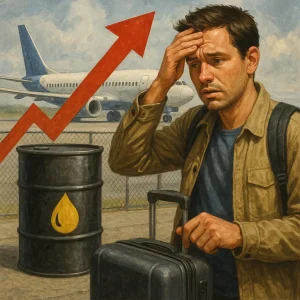
Recently, oil prices have spiked significantly due to ongoing geopolitical tensions, particularly related to the Iran conflict. This has implications for travelers everywhere. As oil prices increase, so do travel costs. This affects everything from flights to car rentals and hotel prices. Travelers should be aware of these changes to plan their trips effectively.
Why Oil Prices Matter for Travelers
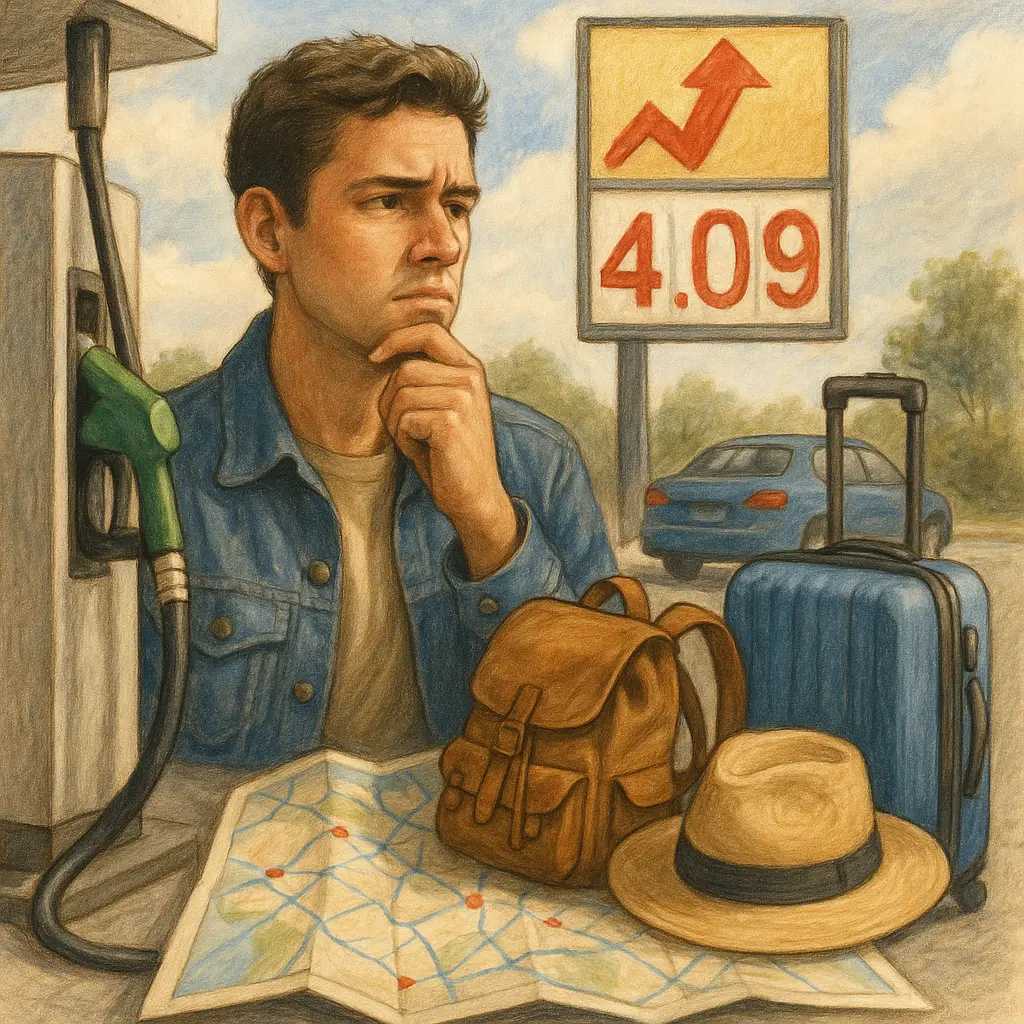
Oil prices are a key factor in determining travel costs. When oil prices rise, airlines raise ticket prices to cover their increased fuel costs. This means travelers may face higher airfare if they plan to fly. Moreover, road trips may also become more expensive due to rising gas prices. Understanding this trend is crucial for planning any upcoming travel.
How Rising Oil Prices Affect Different Types of Travelers
- Business Travelers: Often have less flexibility and may face increased travel budgets due to higher flight costs.
- Leisure Travelers: May reconsider destinations or adjust travel dates to find cheaper options.
- Families: Might need to budget more carefully for gas and accommodation due to increased transportation costs.
Planning for Higher Travel Costs
With rising oil prices, travelers should consider multiple factors when planning their trips. Here are some practical scenarios to think about:
- Book flights early to lock in lower rates before prices increase further.
- Consider alternative travel methods, like trains or buses, which may be cheaper than flying.
- Plan road trips strategically by mapping out stops to minimize fuel consumption.
What to Consider When Booking
When booking travel, keep these tips in mind:
- Monitor fuel prices at your destination; they might vary from what you expect.
- Look for travel packages that include transportation, as they may offer better deals.
- Use flexible travel dates to take advantage of lower prices during off-peak times.
Expectations for Future Travel Costs
As the situation with oil prices continues to evolve, so will the cost of travel. It’s important to stay informed about these changes. Here are a few things travelers can realistically expect:
- Airfare may continue to rise as airlines adjust to higher fuel costs.
- Car rental prices might spike as demand increases in response to high gas prices.
- Travelers may see fewer last-minute deals as companies adjust their pricing strategies.
“I didn’t think a rise in oil prices would impact my family vacation so much, but now I have to rethink our plans.”
“I usually fly last-minute, but with these rising costs, I’ll need to book earlier to save money.”
Analyzing the Implications for Travel Planning
As travelers face these rising oil prices, it’s essential to analyze the implications on travel habits. Higher oil costs can lead to:
- Increased demand for budget travel options, like motels or hostels.
- Changes in destination preferences, as some may choose closer or cheaper locations.
- A trend towards more sustainable travel, with travelers looking for eco-friendly options to save money.
In summary, being aware of the current oil price situation allows travelers to make informed decisions and adapt their travel plans accordingly. By planning ahead and adjusting budgets, travelers can still enjoy their journeys without being overly impacted by rising costs.