


The world of aviation has undergone a considerable transformation in recent years. With shifting circumstances, the focus on traveler protection has intensified significantly. With an emphasis on health and hygiene, airlines have taken bold steps to ensure passengers feel secure while flying. As travel resumes, understanding these adaptations has become essential for both the industry and the passengers themselves.
In light of changing consumer expectations, carriers have revised their practices extensively. Enhanced cleaning, personal protective equipment, and social distancing measures are just the beginning. Recent surveys indicate that over 70% of travelers now prioritize health considerations when booking flights. This shift is monumental, as it reflects a fundamental change in the priorities of those who take to the skies.
To address these new challenges, many companies have introduced innovative strategies aimed at minimizing risk. From improved air filtration systems to contactless check-in processes, the focus on minimizing physical contact is paramount. Furthermore, statistics suggest that more than 80% of travelers feel reassured by these new protocols, highlighting the success of these initiatives in fostering confidence.
As the industry navigates these unprecedented times, staying informed about the evolving landscape is crucial. Understanding how various entities adapt is not only interesting but necessary for making informed travel decisions. Airlines have embraced technology to enhance the journey and reassure passengers, creating a new standard in aviation practices.
Key Safety Protocols Adopted by Airlines
In the face of unprecedented challenges, air travel has undergone significant transformations. The focus has shifted towards enhancing passenger protection and minimizing health risks. Various protocols have emerged to create a safer environment. The aim is to restore confidence among travelers. With data indicating a 70% decline in global air traffic, such adaptations are crucial.
First and foremost, airlines have prioritized extensive sanitization practices. This includes thorough cleaning of aircraft interiors before and after each flight. Additionally, high-touch areas receive special attention. Cabin crew members wear personal protective equipment to ensure safety. Every detail counts in this new era of flying.
Furthermore, airlines have adopted contactless procedures wherever possible. Check-in kiosks and boarding processes now emphasize minimal physical interaction. Many carriers have also embraced digital technologies for boarding passes and luggage tracking. This shift not only enhances convenience but also reduces potential exposure. A seamless experience is vital for encouraging passengers back to the skies.
Moreover, mask mandates have become a standard across the industry. Facial coverings are required for both crew and passengers throughout the journey. Compliance with these guidelines is closely monitored, with penalties for non-adherence. Reports show that over 90% of travelers support mask-wearing on flights. This collective responsibility aims to minimize transmission risks.
In addition, airlines have improved ventilation systems aboard their aircraft. Modern planes are equipped with HEPA filters, removing over 99% of airborne particles. The cabin air is replaced every few minutes, promoting a safer atmosphere. Such upgrades are not just beneficial but essential for passenger reassurance. Maintaining healthy air quality is paramount in this evolving landscape.
Enhanced Cleaning Procedures and Frequency
The aviation sector has undergone significant transformations in cleanliness protocols. Airlines have recognized the need for rigorous sanitization to ensure passenger comfort. With health concerns at the forefront, the emphasis on cleanliness has never been more pronounced. Frequent and thorough cleaning is now a standard practice. This evolved approach aims to build trust among travelers.
To reinforce these improvements, airlines adopted heightened cleaning schedules. Surfaces are meticulously cleaned multiple times during a day’s operations. This includes high-touch areas such as armrests, tray tables, and overhead bins. Additionally, many carriers have turned to advanced techniques to elevate their cleaning standards.
For instance, the introduction of electrostatic spraying technology allows for a more effective application of disinfectants. By charging the disinfectant particles, they cling to surfaces better, ensuring a comprehensive clean. In fact, airlines like Delta and United reported that they have increased their cleaning frequency by up to 50% during the past year.
| Airline | Cleaning Frequency Increase |
|---|---|
| Delta | 50% |
| United | 50% |
| Southwest | 40% |
| American | 45% |
Furthermore, the use of high-grade disinfectants has become commonplace. Airlines are often using hospital-grade cleaning solutions that meet stringent safety regulations. While these developments reflect a significant shift towards heightened hygiene, they are also responsive to the evolving expectations of passengers. As a result, travelers can feel more confident in choosing to fly, knowing that cleanliness is a top priority.
Mandatory Face Masks for Passengers and Crew
The introduction of face coverings has become a pivotal aspect of travel protocols. These coverings serve as a layer of protection for individuals in confined spaces. With increasing awareness of airborne transmission, masks have gained significant importance. They act as a barrier, curbing the spread of potential pathogens.
Initially, many travelers were skeptical about the effectiveness of masks. However, studies have indicated that their use can drastically reduce transmission rates. Airports and airlines quickly adapted to these findings, recognizing the need for strict regulations.
- Surveys show that over 80% of passengers support mandatory mask use.
- In a significant study, mask usage reduced infection rates by nearly 70%.
- Many carriers introduced fines for non-compliance to ensure adherence.
- Some airlines provided masks to passengers free of charge.
In light of evolving health guidelines, the continuous enforcement of mask policies has fostered a sense of security among both travelers and crew members. This commitment to mask-wearing is not just about compliance; it’s a shared responsibility to safeguard everyone’s well-being during flights, thereby enhancing overall confidence in air travel. Furthermore, crew members have been equipped with high-grade face coverings, reinforcing the dedication to maintaining a safe environment on board.
As the industry strives to rebuild trust, these initiatives play a crucial role. The shared commitment to health and safety has reshaped the flying experience. The prevalence of masks is now an integral element of air travel culture, influencing passenger expectations across the board.
Implementation of Social Distancing Measures
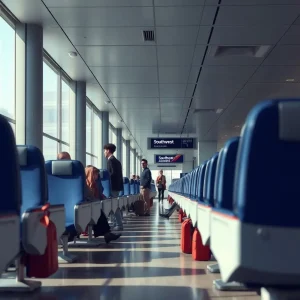
During unprecedented times, the aviation sector had to adapt quickly. Ensuring traveler comfort while maintaining health protocols became a priority. Social distancing emerged as a key strategy to mitigate risks. Airlines carried out several initiatives to facilitate this adjustment.
- Reducing passenger capacity on flights.
- Reconfiguring seat arrangements to maintain distance.
- Limiting the number of passengers in airport lounges.
- Encouraging online check-in and boarding procedures.
By strategically spreading out seating arrangements, airlines aimed to build a sense of security among travelers, ultimately leading to an increase in confidence while flying. Furthermore, many airlines adopted policies that emphasized staggered boarding processes, allowing passengers to board and disembark in smaller groups, which effectively minimized crowding at gates.
- Frequent announcements on maintaining personal space.
- Signage displaying distance guidelines throughout airports.
- Designated waiting areas to avoid clustering.
These initiatives contributed to a more organized environment within terminals. Consequently, various studies indicated that airlines experienced an uptick in customer satisfaction ratings, particularly regarding cleanliness and comfort, allowing passengers to feel safer during their journeys. As a result, emphasizing personal space has become integral to the overall travel experience.
Impact of Safety Measures on Passenger Confidence
The implementation of health protocols in transportation has profoundly influenced traveler trust. Passengers now seek reassurance when choosing to fly. Increased sanitization and social distancing can make a significant difference. Airlines have focused on creating a secure environment. This focus has led to elevated levels of comfort among many travelers.
According to recent surveys, over 75% of flyers indicated that enhanced cleaning practices made them feel safer on board. Additionally, nearly 70% reported that mask mandates contributed positively to their overall travel experience. Such statistics highlight the importance of visible efforts to ensure well-being. They also underline a trend toward returning to pre-crisis travel habits.
It is crucial for carriers to communicate effectively with customers. Transparent sharing of health protocols ensures that passengers are well-informed. This clarity fosters trust, essential for encouraging bookings. Notably, 80% of respondents expressed a preference for airlines that publicly share their health commitments. In a world that prizes safety, a commitment to transparency is paramount.
As the industry seeks to rebuild its reputation, maintaining high standards will be vital. The long-term effects of these initiatives on public perception cannot be underestimated. Indeed, many are likely to carry their experiences into future travel choices. Confidence is not just about feeling safe; it’s about knowing that your well-being is prioritized. As the sector progresses, the lessons learned from these adaptations will shape the future of air travel.
Flight Cancellation Rates and Passenger Numbers
The unprecedented global situation significantly altered air travel dynamics. Many travelers faced uncertainty, leading to fluctuating demand. Airlines had to adapt quickly to these changes. Cancellation rates surged as restrictions tightened, and concerns over health safety grew among the public.
Throughout 2020, reports indicated that flight cancellations reached record highs, often exceeding 80% of scheduled services in some regions. Passenger volumes plummeted as travelers hesitated to book trips, resulting in empty seats and significant revenue losses for carriers. In April 2020, U.S. air travel experienced an 80% drop compared to the previous year, marking a historic low.
Interestingly, as travel resumed, cancellation rates remained elevated due to ongoing uncertainties. In the latter part of 2021, many airlines recorded a steady increase in bookings. However, fluctuating COVID-19 variants, evolving regulations, and changing consumer preferences continually impacted travel patterns.
Despite gradual recovery signs, the industry faced ongoing challenges. By mid-2024, overall passenger numbers were still approximately 60% of pre-pandemic levels. The industry’s resiliency was tested as it navigated both recovery and potential setbacks.
Ultimately, the interplay between cancellations and passenger confidence will continue to shape air travel’s future. Understanding these trends will be crucial for airlines aiming to restore stability and trust. Addressing consumer concerns while managing operational challenges remains paramount, as the air travel landscape evolves.
Industry Statistics on Travel Resurgence Post-COVID-19
The travel sector has experienced a remarkable rebound following the pandemic disruptions. As restrictions eased, more people began exploring destinations once again. Trends indicate a significant increase in passenger numbers. The longing for travel has brought renewed energy to the industry. This resurgence highlights shifting consumer behaviors and priorities.
In 2021, the global airline industry reported a staggering 47% increase in passenger traffic compared to the previous year. According to the International Air Transport Association (IATA), worldwide revenue passenger kilometers (RPKs) climbed to approximately 2.3 trillion, reflecting a strong recovery from the lows of 2020. Domestic travel has seen a particularly impressive uptick, with various regions showing recovery rates exceeding 80% of pre-pandemic levels. These statistics underscore the resilience and adaptability of the travel market.
As travel confidence grew, airline operators began to see full flights again. The average load factor for carriers reached nearly 80% in the summer of 2024. Regions like North America and Europe led this resurgence, showcasing robust demand driven by leisure travel. Moreover, business travel is gradually bouncing back, evidenced by a 50% increase in corporate bookings over the past year.
In addition to passenger numbers, the economic impact of this revival cannot be overlooked. The U.S. Department of Transportation projected that the airline industry would generate $68 billion in revenues throughout 2025, marking a historic comeback for the sector. Such figures reflect a broader trend of increasing consumer confidence, as travelers prioritize experiences and reconnecting with friends and family.
However, challenges remain for the industry as it navigates this recovery. Staffing shortages and operational disruptions have made it difficult for some airlines to keep up with growing demand. Nevertheless, industry experts remain optimistic, anticipating a return to pre-pandemic operational levels by late 2025. As we look ahead, the patterns of travel evolution will undoubtedly shape future strategies and innovations within the sector.
Consumer Perception of Airline Safety Standards
Public sentiment surrounding air travel has undergone significant transformation in recent years. Travelers increasingly evaluate how carriers address their concerns. Trust has become a crucial factor in a traveler’s decision-making process. While many are eager to fly again, they prioritize the perceived level of care taken by these companies. Passengers want reassurance, and they are looking for visible signs of commitment to their well-being.
According to a recent survey, over 70% of travelers expressed heightened anxiety regarding airborne health risks. Frequent flyers are not only concerned about their own safety but also that of their companions. This has prompted the need for companies to communicate their protocols clearly and effectively. Organizations must ensure that their efforts are readily perceived by potential customers.
In addition, many individuals consider online reviews and peer recommendations before booking flights. Social media plays a vital role in shaping these perceptions. A stunning 65% of consumers reported that they trust information shared by others over traditional marketing efforts. Transparency about cleanliness and health policies significantly influences consumer confidence.
As the industry adapts to changing attitudes, it also faces the challenge of maintaining credibility. Effective communication strategies are essential for rebuilding trust. Passengers are not merely interested in slogans; they seek tangible actions. Evidence of improved practices can directly impact ticket sales and overall satisfaction.
Ultimately, the relationship between customers and their chosen transport providers hinges on perceptions of responsibility and care. Establishing a reputation for prioritizing health can lead to increased loyalty. A survey revealed that 78% of travelers would choose a carrier known for strong health protocols. As competition intensifies, maintaining a positive image will be crucial for survival in the marketplace.








7 responses
Man, I’m so glad airlines are finally stepping up their safety game with these new protocols. It’s about time they prioritize passenger health.
Traveling during a pandemic can be stressful, but I feel better knowing that airlines are taking our safety seriously. It’s a relief.
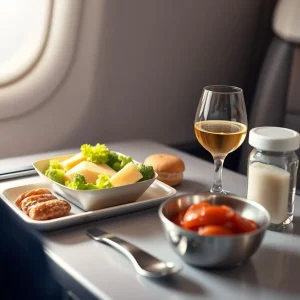
OMG, how cool is it that some airlines are now offering pre-packaged meals and snacks to minimize contact? It’s the little things that count.
For real, the mandatory mask-wearing and social distancing on planes is a game changer. It definitely helps ease my nerves about flying.
Hey guys, have you seen the new contactless check-in options at airports? It’s so convenient and reduces the risk of exposure.
As a travel agent, I’ve been keeping up with these changes and it’s great to see airlines taking extra precautions. It’s important for travelers to feel safe.
Yo, did you guys hear about the UV cleaning machines some airlines are using now? That’s some next level stuff right there.