Understanding In-Flight Conflicts and Their Impact on Travel Planning
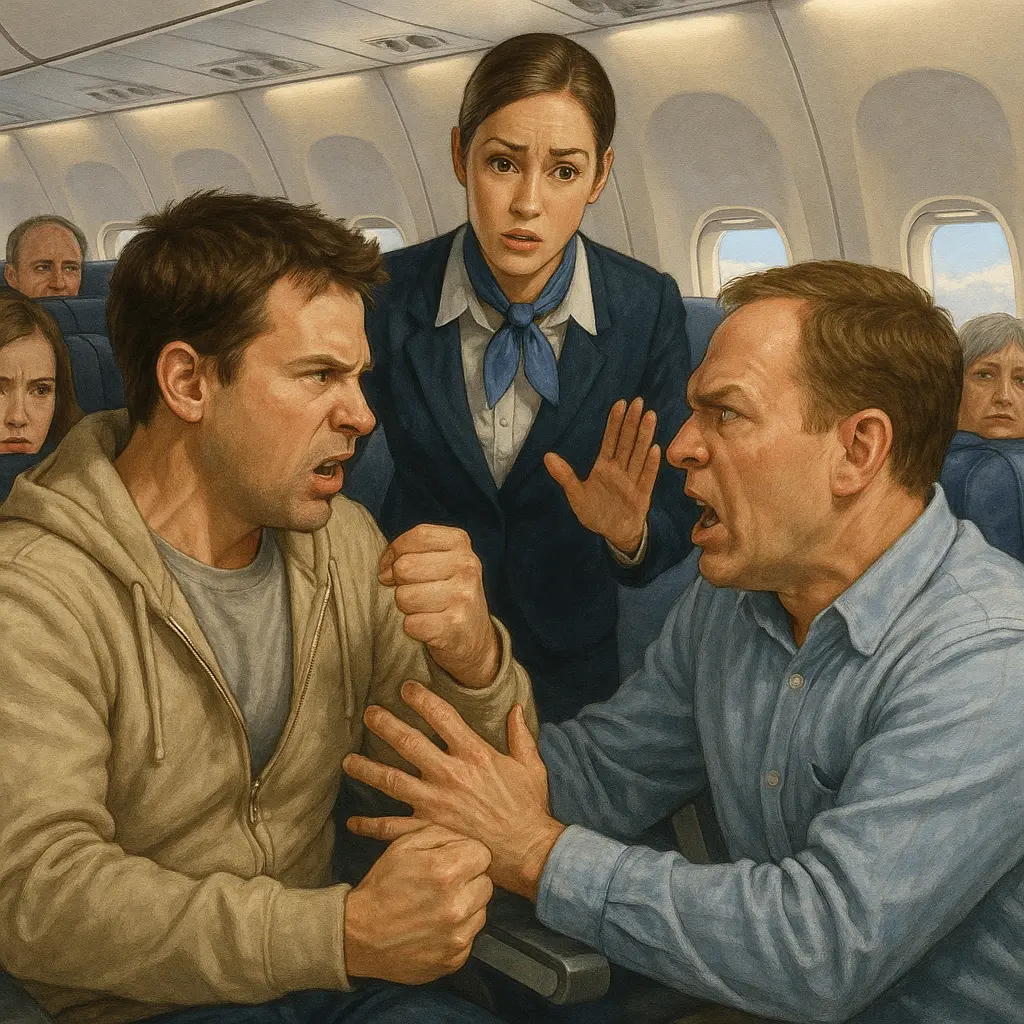
Recently, there was an incident on an EVA Air flight where three flight attendants successfully resolved a physical fight between two passengers. This event highlights the importance of understanding in-flight conflicts and how they can affect the travel experience. As a traveler, it’s essential to be aware of the potential for such situations and how they might influence your journey.
What Happened and Why It Matters for Travelers
The incident occurred during a long-haul flight from Taipei to San Francisco. A disagreement over seating escalated into a physical fight, which required the intervention of flight attendants. Travelers should take note of this event because it illustrates that disputes can occur at any time during a flight, potentially impacting the overall travel experience.
How In-Flight Conflicts Connect to Travel Planning
When planning your trip, consider how in-flight conflicts can affect your journey:
- Flight delays: Conflicts can lead to delays in landing or takeoff as the crew manages the situation.
- Security checks: Sometimes, conflicts require police intervention upon arrival, causing additional delays.
- Passenger comfort: An altercation can make the cabin environment uncomfortable for all passengers.
Types of Travelers Affected by In-Flight Conflicts
Different travelers may experience in-flight conflicts differently:
- Families and children: Parents may feel anxious about their children’s safety during an altercation.
- Business travelers: Disruptions can affect schedules and important meetings.
- Frequent flyers: Regular travelers may have heightened awareness of potential conflicts and may choose airlines known for good conflict management.
Planning Scenarios for Travelers
Travelers should prepare for various scenarios that might arise from potential in-flight conflicts:
- Be ready for seat changes: If a dispute requires re-seating, know your options for alternate seating.
- Understand airline policies: Familiarize yourself with how your airline handles in-flight conflicts and disruptions.
- Plan for delays: Allow extra time in your itinerary for possible delays resulting from in-flight incidents.
Considerations When Booking or Scheduling Travel
When booking your flight, consider the following:
- Flight duration: Longer flights may have more potential for conflicts due to passenger discomfort.
- Flight times: Consider flying during less busy times to reduce the likelihood of conflicts.
- Airline reputation: Choose airlines with good safety records and effective conflict resolution policies.
What to Expect Next in Air Travel
Travelers can expect that incidents like this may continue to occur. Airlines are becoming more focused on conflict management, but it’s essential to remain calm and prepared:
- Stay informed: Keep up with airline news and policies regarding passenger conduct.
- Be a responsible passenger: Follow crew instructions and avoid engaging in disputes.
- Report issues: If you witness a conflict, alert the flight attendants to help manage the situation.
“I just want a peaceful flight. Seeing conflicts makes me nervous.”
“I always check airline reviews to see how they handle in-flight issues.”
Analysis of In-Flight Conflict Implications
Understanding in-flight conflicts can influence travel demand and availability. When travelers are aware of the potential for disruptions, they may choose airlines based on their reputation for handling such situations effectively. This could lead to increased demand for airlines known for their strong conflict resolution policies, ultimately affecting flight prices and availability.
Travelers should also be mindful of how they can contribute to a positive flying environment. By remaining calm and respectful, passengers can help reduce the likelihood of conflicts and enhance the overall travel experience.