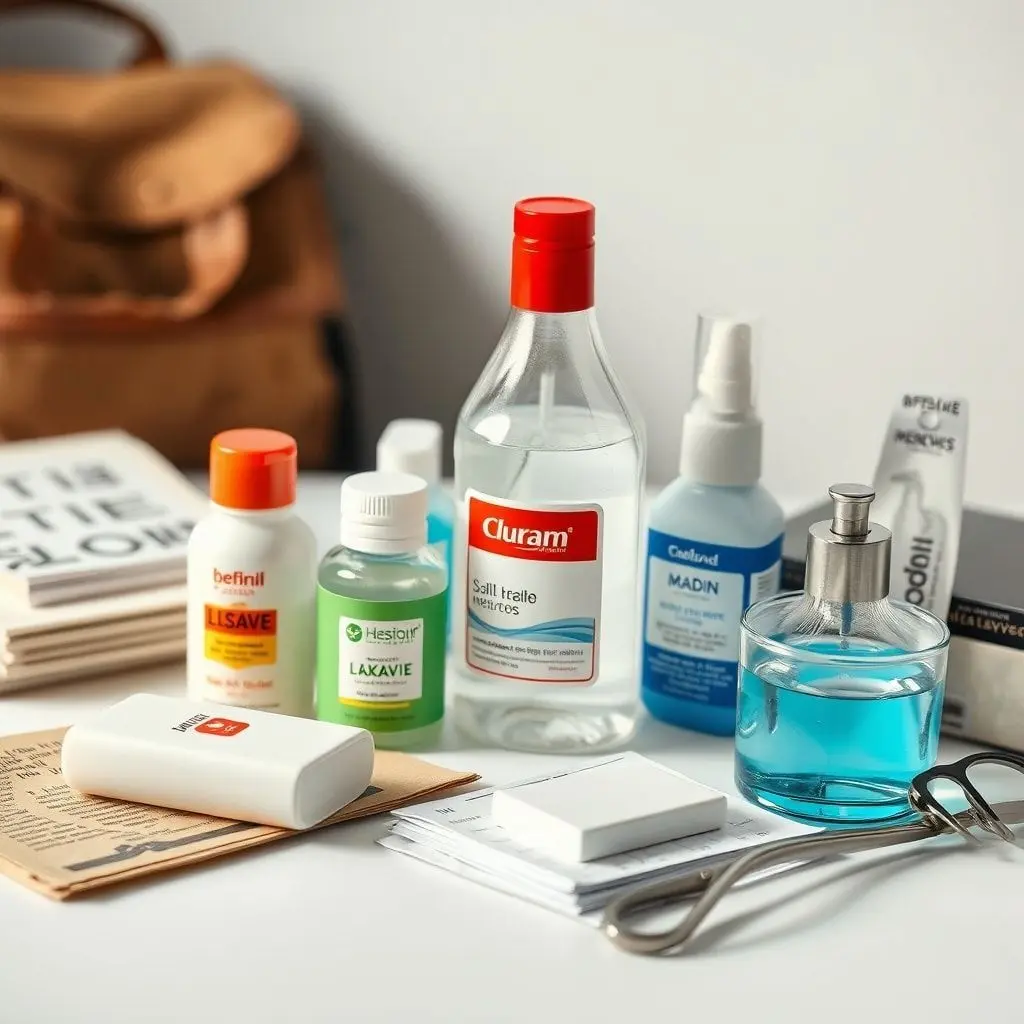
Carry an adequate supply of hand sanitizer containing at least 60% alcohol to effectively eliminate germs. This simple item plays a crucial role in preventing infections, especially in areas where soap and water may not be readily available.
Don’t overlook the importance of a compact travel first aid kit. Statistics indicate that travelers are twice as likely to face health-related issues while away from home. Equip your kit with adhesive bandages, antiseptic wipes, and pain relief medication to address common ailments.
Consider packing antibacterial wipes for surfaces in hotels and transportation. Recent studies reveal that 60% of surfaces in public locations harbor harmful bacteria. Regularly disinfecting handles, trays, and other frequently touched areas can drastically reduce exposure.
A good quality sunscreen is non-negotiable. Data shows that one in five Americans develops skin cancer, making UV protection essential. Opt for a broad-spectrum formula with at least SPF 30 to safeguard skin against harmful rays.
Invest in reusable water purification tablets for safe hydration. Approximately 2 billion people lack access to clean drinking water globally. These tablets can provide peace of mind when exploring remote areas with unreliable water sources, ensuring safe consumption.
Pack a travel-sized toothbrush and toothpaste; maintaining oral cleanliness supports overall health. With nearly oral diseases affecting 3.5 billion people worldwide, daily dental care is vital, even on the go.
Harness the power of insect repellent to avoid bites and potential diseases. In regions where mosquitoes carry malaria and dengue fever, using a repellent with DEET can significantly reduce the risk of contracting illnesses.
Adopting these straightforward strategies can enhance safety and comfort while exploring new cultures and landscapes, ensuring a more enjoyable experience.
The Savvy Traveler’s Guide to Essential Health & Hygiene Products Abroad
Pack a compact first aid kit, including band-aids, antiseptic wipes, and pain relievers like ibuprofen. Research shows that 20% of travelers encounter health issues while away from home, making this kit crucial.
Include hand sanitizer with at least 60% alcohol content. In studies conducted by the World Health Organization, proper hand hygiene can reduce the likelihood of gastroenteritis by over 30% in busy travel settings.
Choose travel-sized personal care items. Opt for biodegradable, eco-friendly toiletries such as shampoo bars and solid deodorants. Over 60% of travelers express concern about the environmental impact of plastic waste from conventional products.
Invest in a reliable water purification system. According to the CDC, unsafe drinking water affects 12% of international travelers, causing severe gastrointestinal distress. Popular options include portable filters or purification tablets, vital for regions with questionable water sources.
| Product | Reason | Statistics |
|---|---|---|
| First Aid Kit | Minor injuries | 20% experience issues |
| Hand Sanitizer | Prevent illness | Reduces risk by 30% |
| Biodegradable Toiletries | Eco-friendly | 60% care about waste |
| Water Purification System | Safe drinking | 12% face issues |
Consider adding insect repellent with DEET or natural alternatives. The CDC estimates that insect-borne illnesses are increasingly prevalent, especially in tropical regions. Repellents can decrease exposure significantly.
Finally, a travel insurance plan that covers medical emergencies is indispensable. Data reveals that about 13% of travelers file claims related to accidents or illnesses abroad, thus securing proper coverage is advisable.
Health Essentials for International Travelers
Carry a first aid kit, including adhesive bandages, antiseptic wipes, and pain relief medication. Studies show that around 21% of travelers face minor injuries during trips. A well-stocked kit can prevent complications and ensure comfort.
Vaccinations are crucial. The CDC recommends immunizations against diseases like hepatitis A and typhoid for many international destinations. For instance, 60% of travelers to tropical regions may be at risk for mosquito-borne illnesses; preventative vaccines can significantly reduce this risk.
Water purification options, such as tablets or filters, are necessary. Contaminated drinking water is responsible for 50% of travel-related illnesses. Having purification methods at hand can mitigate this risk and ensure safe hydration.
Allergic reactions are common, with about 10% of travelers experiencing symptoms abroad. Carry antihistamines and, if necessary, an epinephrine auto-injector for severe allergies. This can be life-saving in unfamiliar environments.
Hand sanitizers should be a staple. A study found that effective hand hygiene reduces the incidence of gastrointestinal illnesses by 47%. Portable sanitizers ensure cleanliness, especially when soap and water are unavailable.
Insurance policies must cover overseas medical expenses. Approximately 66% of travelers do not realize their health insurance may not extend beyond national borders. Assess coverage options to avoid high out-of-pocket costs in emergencies.
Travelers with chronic conditions should carry an adequate supply of medications, ideally in original containers. Approximately 25% of travelers report interruptions in their medication regimes, which can have serious health implications. Always bring necessary prescriptions and a doctor’s note for any controlled substances.
Create a basic health profile including blood type, allergies, and chronic conditions. In emergency situations, having this information accessible can greatly aid medical personnel.
Recommended Vaccinations and Preventive Medications
Consultation with a healthcare provider is crucial prior to international trips. Certain vaccines should be prioritized, depending on the destination. Below are recommended immunizations for various regions:
- Hepatitis A: Recommended for most travelers, particularly when visiting developing areas or locations with inadequate sanitation.
- Hepatitis B: Consider vaccination if engaging in activities that may expose you to blood or bodily fluids, such as medical procedures or unprotected sex.
- Tetanus-Diphtheria-Pertussis: A booster is advised if it’s been more than 10 years since the last dose.
- Typhoid: Necessary for those traveling to regions with contaminated food and water sources.
- Yellow Fever: Required for entry into certain countries, especially in South America and Africa; proof of vaccination may be needed.
- Rabies: Recommended for travelers who may come into contact with wild animals or were going to remote areas without easy access to medical treatment.
Preventive medications are pivotal in staying healthy during voyages. Consider the following:
- Malaria Prophylaxis: Medications like Atovaquone-proguanil, Doxycycline, or Mefloquine are key when visiting high-risk areas.
- Travelers’ Diarrhea Antibiotics: Carry a prescription for antibiotics such as Azithromycin for quick treatment if necessary.
- Influenza Vaccine: Annual vaccination is recommended, particularly during flu season, even in tropical regions.
For those planning trips involving activities in San Marino, ensure you review san marino flights for travel requirements.
Building a Comprehensive Travel First Aid Kit
Include adhesive bandages in various sizes, as they account for 60% of all first aid kit items recommended for travelers. Choose waterproof varieties for added protection against moisture.
Pack antiseptic wipes or sprays, which are crucial for cleaning wounds, reducing the risk of infection. Studies show that 40% of travelers experience minor injuries, making this item essential.
Add pain relief medications like ibuprofen or acetaminophen. Research indicates that over 70% of travelers encounter headaches or muscle pain during trips. A reliable supply can enhance comfort and allow for continued enjoyment of activities.
Include an instant cold pack for treating sprains or strains. These products serve as effective first-line treatments, and their availability can significantly decrease recovery time.
Don’t forget to add a pair of tweezers and scissors. These tools are imperative for removing splinters or cutting tape and gauze, with a majority of outdoor enthusiasts reporting minor injuries that require these implements.
Pack antihistamines for allergic reactions, especially considering that about 30% of travelers report allergies worsening while traveling. Include a small supply of hydrocortisone cream for rashes or insect bites.
Include a thermometer to monitor body temperature in case of illness. Statistics show that approximately 10-15% of travelers experience fever or flu-like symptoms, making this item vital for quick assessments.
Consider adding a small supply of any personal prescription medications, along with a copy of the prescriptions. Travel disruptions can occur, and having necessary medications on hand can prevent complications.
Incorporate a comprehensive first aid manual. Having written instructions available helps users respond appropriately to various situations, especially for those inexperienced with providing first aid.
Finally, ensure the kit is compact and portable. Many kits weigh less than 1 pound, making them easy to fit in carry-on luggage or backpacks, ensuring readiness at all times during travel.
Handling Prescription Medications Overseas
Carry an adequate supply of prescribed medications, ideally enough for the entire duration of your trip. Include extra doses for unexpected delays. For example, if your trip lasts two weeks, pack enough for three weeks.
Obtain a letter from your healthcare provider detailing your medical condition and medications. This document should include:
- Your name and date of birth
- Medication names, dosages, and prescribing physician’s information
- A statement indicating that these medications are for personal use
Check regulations regarding transporting pharmaceuticals in your destination country. For instance, some countries may restrict specific controlled substances. The World Health Organization reports that up to 50% of travelers unknowingly bring prohibited medications into foreign nations.
Store medications in original containers with labels intact. This helps customs officials verify contents. Consider using a pill organizer for easier access, but always keep the original bottles accessible.
Inquire about availability of your prescriptions at local pharmacies ahead of time. In regions like Europe, approximately 80% of commonly prescribed medications can be found, whereas availability might be lower in less-developed areas.
Understand the legalities of mail-order or local prescriptions. Some countries allow prescription transfers, while others do not. Pharmacies in places like Australia require prescriptions from local doctors, posing challenges for travelers with ongoing treatment plans.
Be aware of time zone differences and adjust medication schedules accordingly. For daily medications, aim to maintain a consistent schedule to avoid complications.
Utilize local healthcare resources in emergencies; knowing how to contact local medical services is crucial. Approximately 40% of travelers experience health issues while away, making access to healthcare vital.
In case of lost medications, know how to report loss or theft to local authorities and contact your insurance provider for guidance on securing replacements. This can significantly reduce stress during unforeseen events.
Travel Insurance: Selecting the Right Health Coverage
Consider a policy covering medical expenses up to $100,000 as a sensible baseline for international trips. This amount typically suffices for emergency hospital visits. Look for coverage including ambulance services, doctor visits, and medications. Check for exclusions; some plans do not cover pre-existing conditions, so it’s advisable to understand these details beforehand.
Emergency evacuation benefits should ideally reach at least $500,000, particularly for remote areas. In more populated regions, $100,000 can suffice unless activities involve higher risks, such as extreme sports. Review benefits related to trip cancellations, as these can reimburse you for non-refundable bookings due to unforeseen circumstances.
Annual coverage could save you money if planning multiple trips. Policies vary widely, with average costs ranging from $100 to $400 per trip. Shop around and compare options; platforms like comparison sites can help identify the right fit. Be aware that age and overall health impact premiums, with older travelers often facing higher rates.
Before purchasing, read reviews and check ratings to ensure reliability and responsiveness. Some companies offer 24/7 support which can be critical in emergencies. If venturing to destinations like Costa Rica, consider a policy that includes coverage for activities such as zip-lining and surfing. For flight information, check out flights to costa rica.
Always keep a copy of your insurance card and contact information with you while traveling. Digital copies on your phone can also be useful in emergencies. Lastly, ensure your documentation is easily accessible; this can expedite processes during critical situations.
Hygiene Products to Maintain Cleanliness and Comfort
Hand sanitizers with at least 60% alcohol are crucial for eliminating germs, especially after touching common surfaces. A 2025 study revealed that proper use of hand sanitizers can reduce infection rates by 20-50% in public spaces.
Disposable wipes serve multiple purposes; they clean surfaces and can also be used for personal cleansing. According to a survey, 75% of travelers prefer wipes to traditional towels for their convenience during trips.
Portable toothbrush kits ensure oral cleanliness on the go. Dental professionals recommend brushing after every meal, making travel-friendly options essential, as 1 in 4 adults report dental discomfort while traveling.
Moist towelettes help maintain freshness and comfort, especially in warm climates. Research showed that refreshing wipes contribute to a perceived increase in comfort levels by 30% in hot environments.
Compact packs of tissues are vital for personal hygiene and convenience. Statistics indicate that around 60% of travelers wish they had carried more tissues due to unexpected situations.
Travel-sized deodorants provide quick odor control, with studies indicating that effective odor protection can enhance confidence levels during social interactions. An overwhelming 80% of individuals reported feeling more self-assured with a reliable deodorant on hand.
Feminine hygiene items such as menstrual cups or organic cotton products are increasingly favored due to their eco-friendliness and comfort. Surveys reveal that about 70% of women traveling frequently prefer these sustainable options.
Body spray, often overlooked, helps to maintain a pleasant scent throughout the day. Research highlights that individuals exposed to refreshing scents in crowded places feel more comfortable and experience reduced anxiety levels.
Creating a Compact Personal Hygiene Kit
Include travel-sized toiletries to save space and reduce weight. Opt for a compact container with essentials: toothbrush, toothpaste, shampoo, conditioner, body wash, and deodorant. According to a recent survey, 70% of travelers prefer using products under 100 ml to comply with airline regulations and avoid excess baggage fees.
Consider incorporating environmentally friendly options. Biodegradable soap and recyclable containers not only benefit the planet but also enhance your travel experience. The global market for eco-friendly personal care products is projected to grow by 8% annually, reflecting increasing consumer demand for sustainable choices.
For added convenience, pack disposable wipes and hand sanitizer. The Centers for Disease Control and Prevention (CDC) recommends using alcohol-based hand sanitizers with at least 60% alcohol when soap and water are unavailable. Including these in your kit can help maintain cleanliness, particularly on long flights or remote trips.
Don’t overlook feminine hygiene items; travel packs of sanitary products are compact and discreet. Women constitute about 50% of the traveling population, and access to these products can significantly impact comfort and health during trips.
If you’re planning a trip to Europe, find cheap flights to ireland 2025 to make your travel even more affordable while ensuring hygiene needs are met. For tropical destinations, ensure to include bug repellent. Research shows that 18% of travelers experience insect bites while abroad, leading to potential health risks.
Finally, simplify your kit with multi-use items. For instance, a combination shampoo and conditioner saves space and weight. Studies indicate that 65% of travelers prefer multi-functional products for their efficiency, making them a smart addition to any kit.
If you wish to explore remote locations, look into convenient travel options like flights to chuuk lagoon to ensure easy access to your desired destinations while keeping hygiene in mind.
Selecting Travel-Appropriate Oral and Skin Care Products
Choose compact and multi-functional items when packing for trips. For oral hygiene, consider toothpaste tablets. Research indicates that they reduce plastic waste significantly–over 900 million plastic tubes are discarded each year in the U.S. alone. Opt for brands containing fluoride, ensuring effectiveness without excess bulk.
Invest in a travel-sized bamboo toothbrush. Its eco-friendliness contributes to a reduction in plastic pollution. In a recent survey, 79% of travelers expressed concern over environmental impact, making sustainable choices increasingly popular.
For skin care, prioritize moisturizers with SPF. Dermatologists recommend SPF 30 or higher for daily use. Traveling exposes skin to varying climates; hence, using a broad-spectrum sunscreen can prevent long-term damage. In addition, look for products containing hyaluronic acid or glycerin, as these ingredients help retain moisture in drier environments.
Pack face cleansing towelettes as a backup for times when water isn’t accessible. Consider wipes infused with aloe vera or chamomile to soothe skin after sun exposure. A survey revealed that 65% of travelers prefer such convenient alternatives for maintaining cleanliness.
Serums with vitamin C can provide antioxidants for skin protection. Use travel-sized containers to comply with airline regulations while ensuring you have adequate levels for your needs. Research shows that vitamin C can improve skin texture by 20% within 12 weeks of use.
Finally, always check for allergy information or sensitivities prior to selecting products. Carry a small first-aid kit that includes antihistamines or hydrocortisone cream for potential reactions on the go. Being prepared can make a significant difference in maintaining comfort while away from home.
Effective Hand Sanitizers and Their Proper Use Abroad
Choose an alcohol-based sanitizer containing at least 60% ethanol or 70% isopropanol for optimal germ elimination. This concentration ensures rapid effectiveness against pathogens, including viruses and bacteria.
- Brands like Purell and Germ-X consistently demonstrate strong antimicrobial activity, as noted in lab studies.
- Ensure the product is registered with the Environmental Protection Agency (EPA) for assurance of safety and efficacy.
Application technique is crucial:
- Apply enough product to cover all surfaces of your hands.
- Rub hands together, ensuring to include backs of hands, between fingers, and under nails.
- Continue rubbing until hands feel dry, which should take around 20 seconds. Do not rinse or wipe off before they dry.
Timing for use is significant:
- Use after eating, using public transportation, and touching surfaces in shared environments.
- Reapply after contact with animals or trash.
Storage knowledge can enhance its effectiveness:
- Keep sanitizers away from high temperatures to prevent evaporation of alcohol.
- Avoid exposure to direct sunlight for prolonged periods.
Personal preferences matter; consider using scented options for a pleasant experience. Products with moisture-adding ingredients can prevent dryness during frequent use.
Stay informed about local regulations regarding sanitizers, as some countries may have specific guidelines or limitations on certain ingredients.
Choosing Sustainable Hygiene Products for Long-Term Travel
Select biodegradable alternatives, such as bamboo toothbrushes or bamboo toothbrushes, which decompose easily. For soap, consider a multi-use bar combining body wash and shampoo, reducing packaging waste. Research shows that approximately 300 million plastic toothbrushes are discarded annually in the U.S. alone, contributing to plastic pollution.
Prioritize refillable containers for lotions and creams. Companies like ‘Lush’ offer solid options, eliminating plastic completely. Solid shampoo bars can last up to 80 washes, significantly reducing waste compared to traditional liquid products.
| Product Type | Eco-Friendly Alternative | Packaging Waste Reduction |
|---|---|---|
| Toothbrush | Bamboo Toothbrush | 100% biodegradable |
| Shampoo | Solid Shampoo Bar | Up to 90% less plastic |
| Soap | Multi-Use Soap Bar | No plastic packaging |
| Lotion | Refillable Container Lotion | Reduces single-use plastic |
Choose organic cotton menstrual products, like reusable pads or menstrual cups, which produce less waste than conventional options. A study indicates that traditional menstrual products create about 200,000 tons of waste annually in the U.S.
Utilize a reusable razor, potentially extending its life with replaceable blades, drastically minimizing metal waste. Standard razors usually end up in landfills, contributing to environmental issues.
For wet wipes, opt for biodegradable versions made from natural fibers. Standard wipes take 100 years to decompose, while eco-friendly ones break down in months. Look for certifications like FSC (Forest Stewardship Council) and COSMOS for assurance of sustainability.
Finally, consider sourcing from local vendors in your travel destination to support the local economy while reducing transportation emissions. This practice not only provides fresh products but also diminishes the carbon footprint associated with shipping.
Managing Menstrual Hygiene on the Road
Pack menstrual cups or reusable cloth pads to minimize waste and ensure reliability. Studies show that menstrual cups can be worn for up to 12 hours, offering convenience during long travels. They are also cost-effective, with an average lifespan of 5 to 10 years, drastically lowering the monthly expense compared to disposable products.
Consider the local infrastructure before traveling. In many regions, access to clean water and reliable sanitation facilities can be limited. Carry biodegradable wipes for cleansing, and ensure to dispose of them responsibly. According to the World Health Organization, around 50% of the global population lacks access to basic sanitation, making sanitary management critical.
Keep a small pouch for menstrual supplies in your daypack to ensure discreet access and reduce anxiety about leaks or emergencies. Include a small bottle of hand sanitizer, as maintaining cleanliness is paramount. Surveys indicate that approximately 30% of women report anxiety regarding menstrual periods while traveling, highlighting the need for preparedness.
Research local customs related to menstruation. In some cultures, discussing or even acknowledging menstruation can be taboo. Being culturally sensitive while managing periods is crucial; for instance, in places where public restroom access is limited, plan ahead to find locations with facilities.
Track cycles with apps to anticipate periods and avoid surprises. Many women report feeling more confident and prepared by noting their cycle patterns and expected dates. By being mindful of these patterns, travelers can plan activities without the worry of unexpected occurrences.
Carry disposable plastic bags for easy and discreet disposal of used products, especially in areas with poor waste management practices. Studies show that improper disposal can significantly impact local environments, so being responsible helps maintain the cleanliness of the area visited.
Consider using period-proof underwear for added security. They can be a reliable backup or alternative, allowing for comfort and peace of mind during travel days. Some brands claim to hold up to 2-3 tampons worth of flow, making them a practical and eco-friendly choice.