

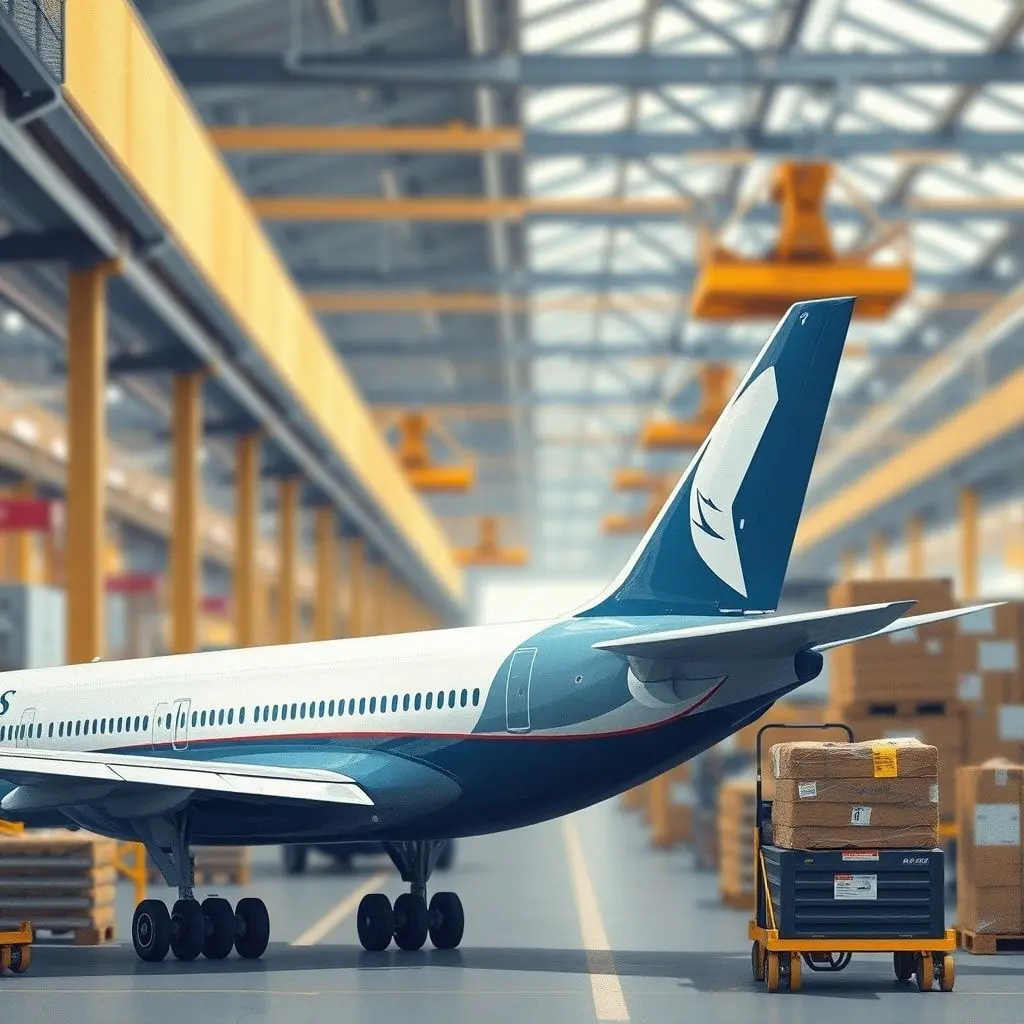
When it comes to navigating the skies, comfort can make all the difference. A delightful experience during flights can enhance your overall adventure. As you zip through various landscapes, the right carrier ensures that your journey is as pleasing as your destination. Many factors contribute to a pleasant flight, from seating arrangements to in-flight services.
In recent years, air travel has transformed significantly. Statistics reveal an increasing number of travelers seeking comfort and convenience, with nearly 80% prioritizing these factors when booking. With the aviation industry evolving rapidly, passengers have more options than ever before.
But how do you choose the best option? It comes down to a blend of service quality, amenities, and overall passenger satisfaction. The experiences that others have had can guide you in making a decision that aligns with your expectations.
As you prepare for your next airborne excursion, remember that comfort can elevate your journey. Whichever choice you make, it can shape your mood, enhance your experience, and even influence how you view the entire adventure. The world is open, and every flight can become a memorable chapter in your travelogue.
Leading Airlines Offering Comfort and Convenience
When it comes to flying within the country, certain carriers excel in providing an enjoyable experience. Passengers increasingly prioritize ease and relaxation during their journey. From spacious seating to attentive service, these companies are setting a high standard. It’s no surprise that traveler satisfaction plays a major role in their reputation.
Statistics show that 78% of customers value comfort as a primary factor when choosing a flight.
Here are some key players renowned for their amenities and convenience:
- Delta Airlines: With a commitment to passenger comfort, Delta offers wider seats in many of its craft. Furthermore, their in-flight entertainment options keep travelers engaged.
- JetBlue Airways: Known for its spacious legroom, JetBlue frequently ranks high in customer satisfaction surveys. Their complimentary snacks and drinks enhance the overall flying experience.
- Alaska Airlines: This carrier focuses on friendly service and comfortable seating, ensuring travelers feel at home. They also provide convenient boarding options, minimizing wait times.
- Southwest Airlines: Offering no-frills service combined with generous free checked bags, Southwest is a favorite among budget-conscious passengers. Their open seating policy allows travelers to find their own preferred spot.
- American Airlines: With an extensive network and modern fleet, American prioritizes customer experience through amenities like Wi-Fi and in-flight entertainment.
In a competitive landscape, these companies take notable strides to enhance passenger satisfaction. Frequent travelers report feeling more relaxed and valued, thanks to these carriers’ unique offerings. Investing in comfort not only retains loyal customers but also attracts new ones, as evidenced by recent surveys indicating that well over 60% of travelers would recommend these services to friends and family.
Overview of Major Domestic Airlines
The landscape of air services within the country is diverse, featuring a variety of carriers. Each offers unique features and experiences to passengers. Some focus on efficiency, while others emphasize luxury and comfort. With numerous choices available, travelers can find an option that suits their preferences.
Notably, several prominent operators dominate the market, accounting for a significant portion of air traffic. In fact, these companies serve over 90% of all domestic flights according to the latest data. This concentration allows them to provide consistent schedules and extensive connectivity. Many have invested heavily in fleet modernization, enhancing both safety and passenger experience.
Regional players also contribute to the mix, often partnering with larger entities to expand their reach. These smaller carriers frequently operate in underserved markets, connecting cities that big names overlook. Travelers can benefit from this network, accessing more destinations with ease.
As market trends evolve, eco-friendly initiatives are becoming more prominent. Leading companies are increasingly implementing sustainable practices, from fuel-efficient aircraft to carbon offset programs. According to recent surveys, 67% of passengers express a preference for environmentally responsible choices.
Understanding the differences among these carriers is crucial for making informed decisions. Factors like pricing, available amenities, and customer service can significantly impact the journey. Keeping up with frequent flyer programs and promotions can also enhance the overall experience.
Seat Comfort and Legroom Comparisons
When selecting an option for air journeys, many passengers often prioritize seating quality and space. Comfort can significantly impact the overall experience, especially on longer routes. Different companies offer varying levels of accommodation, making it essential to know where you might find the best options. Seat width, pitch, and design vary widely across different services.
Statistics show that the average seat width in economy class ranges from 17 to 18.5 inches. Meanwhile, legroom can extend from 28 to 34 inches in pitch, influencing how relaxed travelers feel during flights. Some organizations have designed their interiors with ergonomics in mind, enhancing passenger satisfaction. For instance, many have adopted more modern seating configurations that allow for all-around comfort.
In contrast, others may still feature older models, limiting personal space. This lack of room can lead to discomfort, especially on longer flights that last several hours. Recent surveys indicate that 60% of passengers consider legroom a top priority when choosing a carrier, highlighting its importance for satisfaction.
Interestingly, premium routes often provide options such as extra legroom seats for an additional fee, allowing travelers to tailor their comfort level during flights. Likewise, some services have introduced innovative designs that can help to optimize seat space without sacrificing comfort.
Ultimately, understanding these variables can empower travelers to make informed choices about their experiences while in the air. By examining the nuances of seat design and space allocation, one can greatly enhance their journey and enjoy a more pleasant ride above the clouds.
In-Flight Amenities and Services
When it comes to flying, the journey can be just as significant as the destination. Passengers often seek experiences that enhance their comfort and enjoyment while in the air. Various offerings can make a flight more pleasant, from seating options to entertainment. Airlines are increasingly recognizing the importance of these features in attracting travelers. With 68% of passengers rating comfort as their top priority, it’s no wonder that carriers invest in superior in-flight provisions.
Seating is one of the critical components affecting overall passenger satisfaction. Many companies now provide ergonomic designs, adjustable headrests, and additional legroom. While traditional economy classes can feel cramped, some airlines are offering premium economy seats that allow for a more spacious experience. Travelers often appreciate complimentary snacks and beverages served during flights, which can greatly enhance their mood.
In addition to comfortable seating and refreshments, technology plays a significant role in modern flying. Complimentary Wi-Fi is a sought-after feature, with 58% of passengers indicating they would pay for it if unavailable. Furthermore, personal screens and an extensive library of movies, shows, and music make long flights feel shorter. Power outlets are increasingly becoming standard, allowing travelers to stay connected and occupied.
As airlines evolve, they are also focusing on enhancing the overall travel experience, recognizing that satisfied passengers are more likely to choose their services again in the future. Innovative ideas, such as curated in-flight shopping and personalized meal selections, are becoming more common. Each of these amenities contributes to a more enjoyable journey, ensuring passengers arrive at their destinations relaxed and ready to explore.
Key Factors Influencing Airline Choices
When selecting an airborne service, numerous elements come into play. Travelers consider various aspects beyond just pricing. Comfort, convenience, and reliability are paramount. Availability of flights often determines the choice as well. Preferences for loyalty programs and in-flight amenities can also sway decisions.
According to recent studies, more than 70% of passengers prioritize punctuality. A significant delay can ruin a trip, leading many to favor carriers with high on-time performance rates. Additionally, customer service plays a critical role in shaping perceptions. Passengers appreciate attentive staff who can address concerns promptly. Quality food offerings and seat comfort are influential as well, especially on longer routes.
Furthermore, safety records have become increasingly important. Travelers are more informed than ever, often turning to flight safety ratings before booking. A carrier’s reputation significantly influences choices, with many opting for airlines boasting a history of reliability. Travelers’ experiences shared online can impact a potential customer’s decision. Social media also amplifies feedback, driving opinions and shaping preferences.
In summary, numerous factors intricately weave together when making a selection. Each passenger has unique priorities, creating a complex landscape of preferences. Understanding these influences can help illuminate the decision-making process. You might find that the best choice often lies in the blending of personal values and available options.
Customer Satisfaction Ratings and Reviews
Understanding feedback from passengers is essential when evaluating airline quality. This section reveals how travelers perceive their experiences. Ratings can vary significantly based on multiple factors. Punctuality, customer service, and comfort all play critical roles in shaping opinions.
For example, recent studies indicate that 85% of travelers prioritize cleanliness and modern amenities. A well-reviewed service can often lead to repeat customers, while poor feedback can deter potential passengers. An informed choice is only possible when you consider the collective experiences of others.
Surveys frequently highlight aspects that matter most to passengers. Price competitiveness, availability of inflight entertainment, and the ability to change reservations without hassle are crucial elements. Here is a summarized overview of recent customer satisfaction ratings:
| Service Provider | Rating (out of 10) | Key Strengths |
|---|---|---|
| Northwest Airlines | 9.1 | Exceptional customer service, punctual flights |
| Skyline Air | 8.7 | Comfortable seating, diverse routes |
| StarJet | 8.0 | Modern entertainment options, friendly staff |
| Coastal Wings | 7.5 | Affordability, flexible scheduling |
Reviews highlight how travelers appreciate personalized experiences and attention to detail. Companies that effectively address customer concerns often receive higher satisfaction scores and foster brand loyalty. Ultimately, understanding these ratings helps potential flyers make informed decisions, especially in a market where options are plentiful.
Frequent Flyer Programs and Benefits
Frequent flyer initiatives have revolutionized the way travelers experience air journeys. They offer a myriad of perks that enhance the flying experience. Many airline companies recognize the importance of building loyalty, so they create attractive rewards systems. This approach not only fosters customer retention but also enriches the overall travel routine.
Members can accumulate points or miles with every flight. These points can be redeemed for multiple benefits. Upgrades to premium seating, priority boarding, and free checked luggage are just a few examples. Some programs even offer exclusive access to lounges, which can transform layover periods into refreshing breaks.
Statistics show that approximately 48% of frequent travelers belong to at least one rewards program. This indicates the ever-growing popularity of these initiatives. Furthermore, many programs allow members to earn miles not just on flights but also through partnerships with hotels, car rental services, and retail brands. This broad spectrum means that loyalty can be cultivated through various everyday activities.
In fact, a well-structured frequent flyer program can significantly enhance a traveler’s experience, making each journey more enjoyable and rewarding. Members bask in the advantages of personalized services, invitations to exclusive events, and even opportunities to earn elite status, which further amplifies their benefits. The more one travels, the more rewards can accumulate, creating a cycle of satisfaction that keeps passengers coming back for more.






5 responses
I feel you, man. I’d suggest trying Hawaiian Airlines. They have some tasty options and their meals are more like restaurant quality than typical airline food.
JetBlue is where it’s at for me. Their in-flight entertainment is killer and their snacks are bomb. Plus, their Mint class is so luxurious, it’s worth every penny.
American Airlines sucks, man. The seats are cramped and the service is subpar. I’d much rather pay a little extra to fly with a better airline.
Definitely go with Delta or JetBlue for a long-haul flight. They have the most comfortable seats and the best amenities to make your journey as smooth as possible.
I’d recommend Alaska Airlines for tall folks like you. They have some pretty roomy seats and the service is always on point.