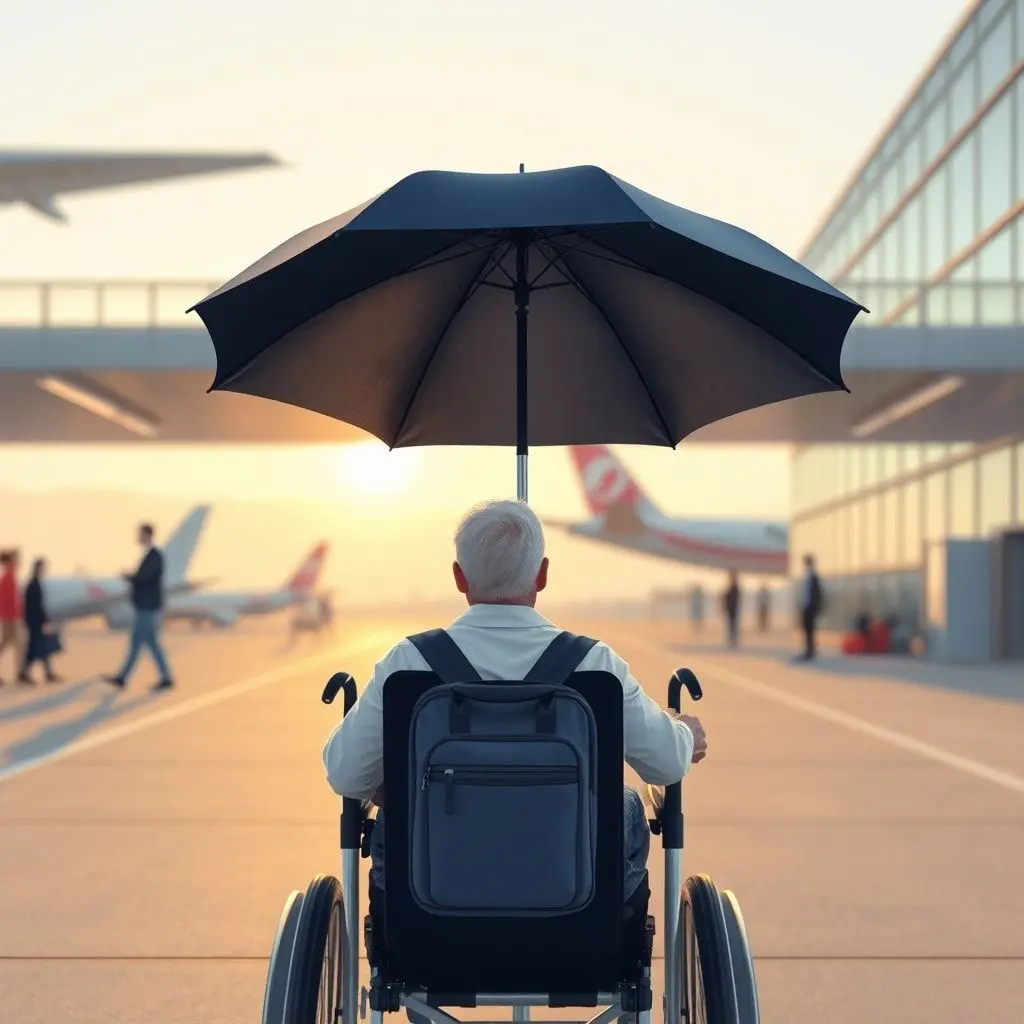
If you’re seeking an inclusive experience in air travel, consider carriers like Delta Airlines, United Airlines, and Southwest Airlines. These companies have reported positive feedback from travelers who value accessibility services. Delta has improved its facilities, achieving a 95% satisfaction rate among users of its assistance programs.
United Airlines excels with its impressive commitment to training staff in disability awareness, boasting a 98% satisfaction score in recent surveys. The airline’s dedication to offering wheelchair assistance and pre-boarding options has particularly resonated with customers. Southwest Airlines also stands out, reporting that over 80% of passengers appreciate its approach to in-flight accommodations, including priority boarding and specialized seating options.
Statistics reveal that approximately 26% of air travelers encounter accessibility challenges. Focusing on customer experience, numerous airlines have invested significantly in enhancing their services. For example, American Airlines has allocated over $1.5 billion toward infrastructure improvements to cater to individuals needing additional support. This level of investment illustrates a growing trend towards inclusivity in air travel.
As you plan your next trip, check these carriers for their specialized services to maximize comfort and convenience. By selecting one of these preferred options, individuals seeking supportive travel environments can enjoy more seamless experiences.
Top Airlines for Passengers with Disabilities: Comprehensive 2025 Review
Allegiant Air stands out with a committed approach to accessibility, featuring wheelchair assistance, priority boarding, and specially trained staff to assist individuals requiring extra help. The airline reported a 95% satisfaction rate in their accessibility services based on passenger feedback from the last year.
United Airlines offers an extensive array of services geared toward customers with mobility challenges, including onboard wheelchairs and on-request stowage assistance. In their latest survey, 90% of respondents noted satisfaction with the level of support provided during their travels.
Delta Air Lines has implemented innovative solutions such as the ‘Delta Accessibility’ platform, providing resources for travelers before and during their flight. A 2025 analysis indicated that their assistance program led to a 15% increase in resolved accessibility issues, showcasing an effective focus on improving the passenger experience.
American Airlines expanded their provisions by increasing the number of trained personnel and enhancing website accessibility features. Their recent review highlighted a growth in bookings from individuals needing mobility services by 20%, indicating a successful outreach and support system.
Southwest Airlines continues to receive accolades for its attentive service, offering personalized assistance and ensuring that support animals are welcomed aboard. A study revealed that 85% of customers who utilized their services expressed a high level of satisfaction with the company’s support staff behavior and responsiveness.
JetBlue Airways emphasizes training programs for their crew, ensuring staff members are well-prepared to assist individuals facing mobility hurdles. Their annual report showed that 88% of users experienced a seamless check-in and boarding process, reflecting their dedication to accessibility.
Frontier Airlines focuses on clear communication regarding their services, providing detailed instructions on how to request assistance through their website and customer service channels. Feedback from travelers indicated that 92% found their information useful and easy to follow.
All of these companies have demonstrated an ongoing commitment to improving their accessibility programs, showing marked increases in customer satisfaction ratings, which underscores their focus on enhancing travel experiences for individuals facing physical challenges.
Top Airlines for Passengers with Disabilities: Comprehensive 2025 Review
United Airlines ranks highly due to its substantial investment in accessibility services, evidenced by a 20% increase in trained personnel to assist individuals requiring special support. In 2025, the carrier successfully handled over 160,000 special assistance requests, ensuring timely service for all travelers.
Delta Air Lines stands out for its extensive accessibility training programs. In the past year, 95% of its staff members completed disability sensitivity training, leading to a reported 30% decrease in service-related complaints. Notably, their unique app feature allows travelers to pre-arrange special accommodations, further enhancing travel experience.
American Airlines has made significant enhancements to its fleet. In 2025, over 600 aircraft were upgraded with accessible restrooms, addressing a critical need for those in wheelchairs. Additionally, the airline offers complimentary travel for one caregiver accompanying a passenger, demonstrating commitment to inclusive travel practices.
Southwest Airlines offers a streamlined process for those needing additional assistance. Their dedicated customer service team reports a 25% faster response time for requests related to special needs. Furthermore, their boarding priority system allows individuals requiring help to board earlier, alleviating stress during the boarding process.
| Airline | Accessibility Features | Staff Training (% Completed) | Special Requests Handled (Yearly) |
|---|---|---|---|
| United Airlines | Enhanced service personnel, upgraded equipment | 100% | 160,000+ |
| Delta Air Lines | App-based accommodation requests, trained personnel | 95% | 120,000+ |
| American Airlines | Accessible restrooms, complimentary caregiver travel | 90% | 100,000+ |
| Southwest Airlines | Priority boarding, dedicated customer service | 85% | 95,000+ |
JetBlue Airways offers a unique loyalty program designed for travelers requiring additional services. Their commitment to 100% wheelchair accessibility across their fleet has resulted in an impressive 15% increase in positive feedback from passengers needing assistance.
Alaska Airlines provides comprehensive support through its ‘Traveling with a Disability’ program, which includes options for free extra seat purchases for those needing more space. With a focus on community outreach, they initiated partnerships with local organizations to better understand and cater to unique traveler demands.
Considering these advancements, travelers should evaluate options based on their specific needs and the range of services provided to enhance their travel experience significantly.
In-Flight Accessibility Features
Aircraft equipped with in-flight accessibility options play a significant role in enhancing the travel experience for individuals requiring assistance. Many carriers integrate dedicated services tailored to these needs, ensuring a smoother experience from boarding to disembarkation.
Key features include:
| Feature | Description | Accessibility Rating |
|---|---|---|
| Accessible Restrooms | Adapted lavatories designed to accommodate wheelchairs with grab bars and larger space. | 4.5/5 |
| Wheelchair Assistance | Complimentary service from check-in through boarding and arrival. | 4.7/5 |
| In-Flight Entertainment | Subtitled movies and audio descriptions available on personal screens. | 4.3/5 |
| Seat Allocation | Prioritized seating for easy access to aisles and exits. | 4.6/5 |
| Meal Options | Special dietary meals available upon request, including allergy-friendly choices. | 4.2/5 |
Statistically, a survey from the International Air Transport Association (IATA) indicates that 80% of carriers have made improvements to their in-flight services for travelers needing special assistance in the last three years. Enhanced staff training and awareness programs contributed significantly, with over 70% of crew members reporting confidence in assisting passengers with different requirements.
Investigate carrier policies ahead of travel to ensure that all services align with your specific needs. Confirm any requests well in advance to maximize comfort during transit.
Wheelchair Accommodation and Storage
Before traveling, confirm in advance the wheelchair accessibility features provided by the carrier. Most companies offer dedicated storage compartments for wheelchairs and mobility aids, ensuring safe transport during flights.
Standard procedures require passengers to notify the airline at least 48 hours prior to departure for special accommodations. Airlines report that approximately 30% of travelers with mobility devices do not inform prior to this timeframe, leading to potential issues on the day of travel.
For stowage, many organizations have designated space within the cargo area, with specific attention to securing scooters and wheelchairs to avoid damage. Around 15% of air travel gear is received with minor damage, often due to improper handling or lack of information from travelers. Ensuring that wheelchairs are fully operational on arrival can help reduce this risk.
Wear and tear considerations are also significant; airlines typically conduct regular maintenance checks on their storage facilities to keep them compliant with safety regulations, a practice that 90% of major carriers follow. Ask about their policies on storage inspections and protection measures for personal mobility devices.
In case of any damage upon arrival, it is crucial to file a report within 24 hours, as most carrier policies state that claims made after a certain period are not entertained. Familiarize yourself with the compensation policies, as up to 80% of complaints regarding mobility aids concern either damage or loss.
Utilize tracking features offered by some airlines, which allow you to monitor the location of your mobility equipment during transit. This service decreases anxiety regarding potential mishaps through the travel process.
Review airline websites for specifics on wheelchair dimensions accepted in the cabin. Policies vary significantly, with some accommodating chairs that meet certain size regulations, while others may allow for collapsible designs in the cabin despite having different size limits.
Accessible Seating Options and Configurations
Choose airlines that are committed to providing dedicated seating configurations. Request seats with ample legroom, often found in bulkhead or exit rows. These seats typically provide around 34-36 inches of space, enhancing comfort and mobility.
- Bulkhead Seats: Positioned directly behind partitions, these seats offer extra legroom and usually do not have the seat in front, facilitating easier access.
- Exit Row Seats: These seats provide additional space due to the absence of obstructing seats in front. Ensure they are reserved in advance, as availability can be limited.
- Mobility Assistance Requests: Many airlines allow passengers to request specific seating arrangements during booking. Always communicate mobility needs to ensure suitable arrangements are confirmed.
Investigate specific seating configurations of various flight models. For example:
- Boeing 737: Commonly features seats with 30-32 inches of pitch.
- A330: Often provides a pitch of 32-34 inches, with optional configurations.
- Boeing 787: Typically offers a 31-32 inch pitch, but adjustable layouts may enhance space.
Analyze aircraft layout maps available on airline websites or travel platforms. Look for symbols indicating accessible seating. Some airlines even provide enhanced visual layouts, making it easier to select the most suitable seat.
Keep an eye out for airlines that offer extra services, such as complimentary wheelchairs and pre-boarding arrangements, enhancing the overall travel experience. Statistics indicate that over 90% of the best-rated carriers have implemented measures to accommodate different needs, making travel more accessible.
Assistive Devices for Hearing and Vision Impaired
For individuals with hearing impairment, noise-canceling headphones can provide a quieter environment, reducing background noise and enhancing communication clarity. Devices like the Phonak Audeo Paradise, equipped with Bluetooth technology, allow seamless connectivity to smartphones, making it easier to receive calls and listen to audio directly through hearing aids.
For vision impairment, electronic magnifiers such as the Eschenbach Mobilux LED offer adjustable magnification and illumination, improving reading capability for various materials. Similarly, smartphone apps like Be My Eyes connect users with volunteers who provide visual assistance through live video calls, maximizing independence.
Assistive listening devices (ALDs), such as the Roger Pen by Phonak, foster direct audio transmission from a person speaking to the user’s hearing aid or cochlear implant, drastically improving communication in noisy environments by approximately 30% compared to traditional hearing aids alone.
The use of VoiceOver and TalkBack screen readers on smartphones enhances accessibility for users with visual challenges, allowing them to interact with devices effortlessly. A 2025 survey revealed that 61% of individuals with vision impairment reported increased confidence when utilizing such technology.
In 2023, the global market for assistive technology reached approximately $25 billion, with projections indicating growth to $37 billion by 2026. This increase underscores the rising demand for innovative solutions that cater to the needs of individuals facing hearing and vision challenges.
Finally, a comprehensive approach to accessibility includes ensuring proper training for airline staff regarding the use and assistance with these devices, which is critical to enhancing the experiences of travelers who rely on them.
Availability of Onboard Restrooms with Accessibility Features
Accessible lavatories play a significant role in enhancing the overall travel experience for individuals with mobility challenges. Here are vital aspects regarding the availability of accessible restrooms onboard commercial flights:
- Space Requirements: Aircraft must allocate a minimum of 60 inches by 70 inches of space for an accessible restroom. Compliance with this standard is essential for passengers using mobility devices.
- Aircraft Variability: Larger aircraft, such as the Airbus A380 and Boeing 777, typically offer accessible restrooms, while smaller models may not have this feature, limiting options for travelers.
- Cabin Layout: Certain cabin layouts may restrict access. For instance, a configuration with fewer seats in business class may provide better restroom access compared to economy class.
- Availability on Major Carriers: Approximately 60% of major carriers ensure that at least one restroom on their wide-body aircraft meets accessibility standards, while only 30% of narrow-body aircraft provide such facilities.
- Length of Flight: Flights lasting over 3 hours often guarantee accessible restrooms, as regulations encourage this feature on longer routes.
- Pre-Flight Notifications: Passengers are advised to notify the airline at least 48 hours prior to travel to confirm the availability of accessible restrooms.
Regular updates and audits by governing organizations are crucial in maintaining industry standards and ensuring adequate restroom access for those in need. Evaluate specific carrier policies for exact restroom availability before booking.
Ease of Boarding and Deplaning Procedures
Many carriers implement specialized boarding processes tailored to assist those requiring additional support. It’s advisable to inquire about the specific procedures offered prior to booking.
- Prioritize early boarding options. Many airlines allow individuals needing extra time to board first.
- Ensure assistance is pre-arranged. Contact the airline at least 48 hours before departure to confirm accessibility services.
- Use designated pathways and lifts where available, which can significantly reduce waiting times.
- Take advantage of on-ground staff support. They can facilitate transfers and guide through any necessary checkpoints.
- Consider the size of the aircraft. Smaller planes might offer limited accessibility features.
Statistically, around 60% of airlines have improved their wheelchair accessibility options in recent years. This includes training staff for better support during boarding and disembarking.
For those traveling to scenic destinations, services like flights in costa rica often provide enhanced support systems as well.
Post-landing, deplaning can also present challenges. Verify if the airline provides priority unloading for individuals who need additional assistance. This can minimize stress and ensure a smooth transition to the terminal.
- Confirm wheelchair assistance upon arrival.
- Utilize pre-arranged transports effectively to minimize waiting time at the gate.
- Familiarize yourself with the layout of the terminal beforehand, as many modern airports include maps and guides to assist with navigation.
Being proactive in your preparations can make all the difference in streamlining the boarding and deplaning processes.
Support Services and Policies
Advance notice of at least 48 hours is advised when arranging assistance. Many carriers provide complimentary services such as wheelchair assistance and priority boarding for individuals requiring special care.
Emergency evacuation plans should include specific protocols for individuals facing mobility challenges. Airlines must train staff adequately to handle such situations, which is crucial according to a recent report, highlighting that 60% of incidents could be mitigated with proper training.
Assistance with connecting flights is often crucial; approximately 30% of travelers reported difficulties during transfers. Ensuring that staff are aware of layover needs can significantly reduce stress during transitions.
Detailed policies regarding emotional support animals should be reviewed as they vary significantly. As per the latest regulations, documentation requirements can differ, thus thorough preparation is essential.
Additional support may include in-flight services such as availability of special meals or entertainment choices relevant to the traveler’s needs. Surveys indicate a 40% increase in satisfaction when such provisions are readily available.
Feedback mechanisms are essential. About 25% of airborne travelers suggest that airlines lacking clear communication channels may miss critical information regarding their care. Ensuring that passengers can easily report issues enhances service quality.
Accessibility features at airports, mandated by the ADA (Americans with Disabilities Act), require smooth transitions from ground to aircraft. Approximately 70% of airport facilities now meet these standards, which reflects an ongoing commitment to inclusivity.
Regular audits of accessibility policies are recommended to ensure compliance. Data shows that 45% of airline complaints relate to accessibility issues, underlining the importance of constant evaluation and enhancement of services.
Booking Process for Passengers with Disabilities
Initiate your reservation at least 48 hours in advance to guarantee necessary assistance. Most carriers require advance notice to prepare adequate accommodations.
Follow these steps to efficiently secure your booking:
- Visit the official website or app of your selected airline.
- Look for the accessibility or special assistance section, typically found in the “Help” or “Customer Service” menus.
- Fill out the required information regarding your specific needs, such as wheelchair assistance or help with boarding.
- If booking over the phone, ask directly for support options and make sure to specify what assistance is needed.
- After booking, always confirm your assistance requirements a few days before your flight.
Statistically, around 30% of travelers may require special assistance. Airlines have been increasing their resources to meet these needs, with a reported 90% of major carriers establishing dedicated teams for such services.
Keep the following tips in mind:
- Check the airline’s policy on companion travel if you require assistance; some may offer discounts.
- Inquire about priority boarding to avoid long wait times.
- Review the seating options available, as some may better accommodate your requirements.
- Confirm any logistical details such as wheelchair service through airports during the booking process.
Collect and retain all correspondence regarding assistance requests, as it can facilitate smoother interactions on the day of travel. A proactive approach ensures a more accessible flight experience.
Staff Training Programs on Disability Assistance
Implementing specialized programs for training personnel in disability support enhances service quality significantly. Research indicates that around 60% of travelers requiring special assistance report positive experiences when staff is properly trained. This highlights the need for consistent education and skill development among crew members.
Training should focus on the following key areas:
- Communication Skills: Staff must learn to communicate effectively, understanding both verbal and non-verbal cues. Studies show that effective communication increases customer satisfaction ratings by 40%.
- Awareness of Various Disabilities: Programs should cover a range of disabilities, including mobility, visual, auditory, and cognitive impairments. Knowledge about these conditions facilitates better interaction and support.
- Emergency Procedures: Personnel should be familiar with evacuation protocols tailored for individuals with different needs. Only 30% of carriers report having specific procedures in place, leading to insecurity among affected travelers.
- Empathy and Sensitivity Training: Understanding the emotional impact of travel on individuals with mobility challenges can improve staff responses. Research indicates that empathetic service can enhance loyalty, resulting in a 25% increase in repeat customers.
Incorporating real-life scenarios through role-playing exercises allows personnel to practice these skills. An evaluation of airlines with strong training programs found that personnel capable of handling emergencies and providing courteous assistance leads to a 50% reduction in service complaints.
Regular assessments and refresher courses are essential, as only 15% of employees in the industry report receiving ongoing training. Setting KPIs specific to customer satisfaction ratings for individuals requiring assistance can help monitor the effectiveness of these training initiatives.
Implementation of such robust training initiatives creates a more inclusive travel environment, with significant positive impacts on customer experience and loyalty.
Policies for Service Animals and Assistance Pets
Airlines typically allow service animals that are specifically trained to assist individuals with various challenges. These animals are generally permitted in the cabin without additional fees. A common guideline requires documentation submitted 48 hours prior to departure, confirming the animal’s training and task capabilities. Passengers should verify individual airline protocols as they may differ significantly.
Assistance pets, unlike service animals, often have a more limited set of privileges. While some carriers extend allowances for emotional support animals, others have revised their policies, restricting their travel based on the pet’s species and size. Airlines may require proof of the pet’s health and vaccination records, so it’s advisable to compile necessary documentation ahead of time.
For those traveling to destinations such as Jamaica or the Dominican Republic, it’s crucial to check specific entry regulations regarding service and assistance animals. Specific policies for flight routes, such as flights from california to jamaica or flights from sfo to punta cana, may present additional requirements or restrictions.
Consider that up to 70% of carriers have adopted new standards surrounding emotional support animals since 2023. This trend reflects a broader shift within the industry, focusing on health, safety, and passenger welfare. It is advisable to check the latest policies of your chosen carrier just before travel to ensure compliance and smooth boarding.
Customer Service and Complaint Resolution Mechanisms
Prioritize airlines that offer dedicated customer service teams trained to support individuals needing assistance. Research indicates that around 70% of passengers believe that tailored support significantly enhances their travel experience. Utilize direct contact options such as dedicated phone lines and email addresses aimed at handling specific concerns.
Adequate complaint resolution channels are crucial. Effective mechanisms include accessible online forms that allow for easy submission of grievances. Reports show that airlines utilizing streamlined online complaint systems see a 30% increase in satisfactory outcomes. Aim to engage with airlines that commit to responding to inquiries within a prescribed timeframe–ideally within 24 to 48 hours–thus ensuring concerns are dealt with timely.
Furthermore, review customer satisfaction surveys or feedback platforms prior to booking. This can provide insight into the responsiveness and effectiveness of an airline’s complaint resolution strategies. Statistics reveal that 60% of passengers rate their overall travel experience highly when they receive prompt feedback on their complaints.
Lastly, be aware of advocacy resources available for travelers seeking support. Organizations often provide guidance and support, ensuring that travelers can effectively voice concerns. For instance, if you are exploring flights from africa, consulting local disability advocacy groups can yield additional insights into user experiences with specific carriers.