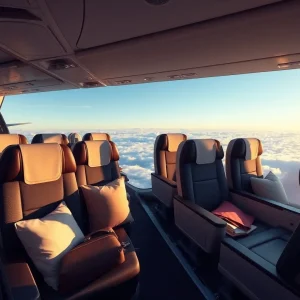
Explore incredible offers that can save you up to 50% on premium seating offerings across major airlines. For instance, a report by the International Air Transport Association indicates that booking several months in advance often leads to significant price reductions, especially during off-peak travel times. Pay attention to airlines like Emirates and Qatar Airways, known for their attractive spring and fall promotions.
Maximizing your travel potential also involves tactics such as loyalty programs and early reservation alerts. According to data from travel analytics firms, frequent travelers can earn substantial miles by taking advantage of credit partnerships or sign-up bonuses. Signing up for newsletters can provide exclusive insights into limited-time promotions that may not be widely advertised.
Consider utilizing fare comparison tools to stay informed. Websites that aggregate pricing data can alert you to sudden price drops, allowing you to make informed decisions swiftly. For example, utilizing Hopper or Google Flights, travelers have successfully snagged seats for as low as $1,500 on prestigious routes that typically cost $3,000 or more. Don’t hesitate to check multiple resources before finalizing your ticket.
Top Early Bird Business Class Deals for Frequent Flyers You Can’t Afford to Miss
Finding lucrative offers can significantly enhance your travel experience. Major airlines such as Emirates, Qatar Airways, and Singapore Airlines frequently provide limited-time offers, often slashing fares up to 30% for premium seating. Keep an eye on sales that begin six months before your intended departure.For routes like New York to Johannesburg, rates for premium seating can drop below $2,500 during promotional periods. Similarly, flights from London to Brisbane may see discounts bringing ticket prices to around $3,000. Utilizing price alert services can streamline this process, notifying travelers of any fare drops.
Don’t overlook smaller carriers that partner with larger airlines, as they may offer competitive rates. Connecting flights can sometimes yield substantial savings while offering unique routing options. Flexibility with travel dates can lead to significant price reductions. Analyze travel patterns; midweek departures or returns can lower costs further, sometimes by as much as 20% compared to weekend travel.
Consider memberships with frequent flyer programs that frequently reward loyalty with preferential pricing or complimentary upgrades. Additionally, booking during off-peak seasons yields another avenue for lower costs. As an alternative, explore international flights to Africa, which often come with enticing promotional fares for premium seating options, providing both luxury and value.
Lastly, utilize travel agents specializing in luxury itineraries, who may have access to exclusive offers unavailable to the general public. By leveraging these resources, savvy travelers can maximize their benefits while enjoying the comfort of premium air travel.
Top Early Bird Business Class Deals for Frequent Flyers You Can’t Afford to Miss
Book your next flight with a keen eye for savings. Major airlines are offering significant discounts on premium seating that frequent travelers should seize.
- United Airlines: Up to 30% off international routes when booked three months in advance. Routes like New York to London from $3,500 round-trip.
- Delta Air Lines: Seasonal promotions with fares starting from $4,200 on select transatlantic flights, offering a chance to save 20% if booked early.
- American Airlines: Price reductions on long-haul trips, with savings of up to $1,000 off regular fares. Example: Los Angeles to Sydney for $4,800.
Flexibility can lead to more favorable rates. Adjusting your travel dates by a few days may uncover additional offers.
- Subscribe to airline newsletters for exclusive advance notifications of promotions.
- Utilize flight comparison tools to track various providers’ pricing structures effectively.
- Join loyalty programs to earn points that can be converted into future discounts.
The airline industry is experiencing a heightened demand for luxury travel, with an increase of over 15% in premium cabin bookings compared to last year. Capitalize on this trend by locking in your seats early to enjoy substantial savings.
- Check for flash sales; airlines often release limited-time offers that provide exceptional value.
- Monitor social media channels for real-time notifications of price drops or special campaigns.
Prepare for upcoming travel seasons by being proactive. Airlines typically release their schedules up to 12 months in advance, giving you a head start on planning your routes.
Maximizing Savings with Advanced Booking Techniques
Book your tickets at least 6-12 months in advance to secure significant discounts. Airlines often release fare sales well ahead of time, offering lower prices for those who plan ahead.
Utilize fare comparison tools such as Google Flights or Skyscanner to track price trends. Set up fare alerts to receive notifications for price drops directly to your inbox, allowing you to act swiftly.
Consider flying during off-peak seasons or mid-week, as flights tend to be cheaper during these periods. Research shows that traveling on Tuesdays and Wednesdays can save you up to 20% compared to weekend departures.
Leverage loyalty programs effectively. Accumulate points from various flights to redeem for upgrades or free trips. Frequent travelers can save significantly by utilizing miles for premium seating.
Monitor airlines’ social media and subscribe to newsletters for flash sales or promotional offers, often available for a limited time. These exclusive deals can lead to savings of up to 50% off regular ticket prices.
Another technique is utilizing flexible date searches. This can provide insight into the cheapest days to fly within a given month, sometimes revealing fares that are hundreds of dollars less than peak pricing.
Book one-way segments on different airlines if applicable. This can sometimes yield lower fares than round-trip bookings, allowing for additional savings of 10-30%.
Check if a nearby airport could provide better deals. Sometimes flying out of or into an alternate airport may offer lower fares. Analyze the potential savings against transportation costs to the airport.
Consider a flight credit card that offers perks like additional miles, lounge access, or waived fees. The savings from these benefits can accumulate significantly over time.
| Booking Technique | Potential Savings |
|---|---|
| Advance Booking (6-12 months) | Up to 30% |
| Off-Peak Travel | 20% on average |
| Flexible Date Searches | Hundreds of dollars |
| One-Way Segment Pricing | 10-30% |
| Loyalty Program Miles | Variable (often free upgrades) |
| Social Media Promotions | Up to 50% |
Optimal Time Frames for Booking Business Class
For achieving significant savings on premium travel, book approximately 3 to 6 months in advance. Research shows that prices can rise up to 20% in the final month before departure.
Monitor fare fluctuations; utilize historical data to identify peak booking periods. Here are strategic windows:
- 6 to 8 months prior: Most airlines release their schedules and promotional fares, making this an ideal time for locking in low rates.
- 3 to 4 months out: Prices typically stabilize, revealing competitive offers; be alert for price drops or fare alerts from travel apps.
- 1 to 2 months in advance: Last-minute deals may surface, but availability is limited, often less than 10% of inventory.
Be mindful of seasonal trends which can impact pricing:
- High season (June to August, December to February): Expect prices to peak; book at least 6 months prior.
- Shoulder season (April to May, September to October): Ideal for bargains with potential discounts up to 30%.
- Low season (January to March): Significant savings are possible, but advance bookings remain key.
Finally, flexibility with travel dates often leads to better opportunities; a difference of even a few days can yield savings of 15% to 25%.
Utilizing Airline Fare Alerts and Notifications
Set up alerts on platforms like Google Flights, Hopper, or Skyscanner to receive notifications for price drops on selected routes. According to Google, alerts can help users save an average of 15% on international flights based on historical fare trends.
Utilize tools that allow price tracking over a period. For instance, using the ‘Price Graph’ feature on Skyscanner can show fare trends for your desired route, helping you identify the best times to book. 60% of travelers reported better pricing insights when using such analytical tools.
Sign up for newsletters from airlines and travel deal websites. Subscribers often receive exclusive discounts. For instance, a report from Airfarewatchdog revealed that subscribers can receive savings of up to $200 per trip when they book during promotional periods highlighted in emails.
Consider setting alerts for specific criteria, such as layover duration or flight times. Tools that allow customized alerts, such as Kayak, enable users to filter results based on travel preferences, resulting in a better match for personal needs. In fact, customized alerts can increase the likelihood of finding flights that suit schedules by over 25%.
Use apps that aggregate deals from multiple airlines. Platforms like Momondo offer ‘fare alerts’ categorized by price ranges that fluctuate based on booking patterns. This method can yield savings of 10% to 30% for users who book during the alert period.
Monitor fare changes frequently, as prices can vary significantly within hours. Statistics show that ticket prices can change up to 9 times a day for popular routes. Therefore, being proactive with notifications can lead to significant savings.
Utilizing multiple services simultaneously increases the chances of catching the best offers. Users who track fares through three or more platforms see a 20% higher chance of securing lower ticket prices compared to those who rely on one source.
Leveraging Credit Card and Loyalty Program Benefits
Maximize rewards by choosing credit cards that align with your travel habits. Cards offering 2x or 3x points on travel purchases can significantly boost your point accumulation. For example, a card offering 3x points on airfare can result in 15,000 points for a $5,000 ticket. This can be leveraged for long-haul trips or upgrades.
Take advantage of sign-up bonuses. Many travel-focused credit cards provide bonuses of 50,000 to 100,000 points after meeting a spending threshold, often around $3,000 in the first three months. Transferring these points to airline partners can result in substantial savings on premium tickets.
Utilize loyalty programs effectively by matching your spending to the airline’s or hotel’s rewards program. Research shows that shifting just a few key expenses to an affiliated card can lead to complimentary upgrades or free nights faster. For instance, using programs like Chase Ultimate Rewards allows for flexible transfers to multiple airlines, often with a 1:1 ratio.
Monitor carrier promotions that allow point multipliers during specific months or for certain routes. For instance, airlines may offer double points on flights booked during promotional periods, which can dramatically enhance your total earnings.
Sign up for email alerts to stay informed about flash sales, where airlines release discounted premium tickets exclusively for loyalty members. Many of these offers, when combined with points, can dramatically reduce cash expenses.
Finally, prioritize airlines with the best alliances. For example, belonging to one airline’s loyalty program often provides benefits across its partner airlines. This can create substantial flexibility and options for booking premium travel with points accrued through everyday spending.
Identifying Seasonal Promotions and Limited-Time Offers
Monitor key travel periods such as holidays and summer vacations, as airlines often release significant discounts during these times. For example, summer flight bookings can see fare reductions of up to 30% when booked 3-6 months in advance.
Sign up for airline newsletters and alerts to receive notifications about flash sales or exclusive offers. Research shows that subscribers can save an average of 15% compared to non-subscribers.
- Black Friday and Cyber Monday: Airlines frequently launch promotions around these shopping events, resulting in price cuts of up to 40% on select routes.
- Holiday Travel: Look for discounts in early January post-holiday, where prices typically drop by 25% as demand decreases.
- Fare Sales: Airlines may introduce fare sales on Tuesdays or Wednesdays. Monitoring these days can yield important savings–historically, 50% off is not uncommon for limited routes.
Utilize flight comparison tools to track prices over time. Studies indicate that fares can fluctuate by more than 20% within weeks, helping to identify the right moment to book.
Analyze social media platforms where airlines announce limited-time promotions. Engaging on these channels can lead to discovering offers not advertised elsewhere.
Consider joining loyalty programs. Members who engage with frequent promotions can maximize savings–loyalty program members received nearly $1.5 billion in bonus points and discounts in 2025.
Focusing on these approaches allows savvy travelers to capitalize on seasonal promotions and short-lived offers for enhanced travel experiences at a reduced cost.
Choosing the Right Airlines for Business Class Deals
Opt for carriers known for their exceptional premium services. Airlines such as Qatar Airways, Singapore Airlines, and Emirates frequently receive high customer satisfaction ratings. According to the Skytrax World Airline Awards 2025, Qatar Airways was awarded the title of ‘World’s Best Airline,’ highlighting the value of researching accolades when selecting an airline.
Investigate loyalty programs and partnerships offered by major airlines. For instance, American Airlines and British Airways are part of the Oneworld alliance, allowing travelers to accrue and redeem points across various member airlines. This network can provide significant benefits, especially when choosing international routes.
Consider the aircraft models used for long-haul routes. Carriers using Boeing 777 or Airbus A350 typically feature the latest cabin designs and in-flight amenities. According to industry reports, airlines like Delta Air Lines have increased seat comfort and privacy with their Delta One suites on select aircraft, enhancing overall travel experience.
Check fare comparison websites like Kayak or Google Flights for the best prices. Data from a 2025 aviation study indicates that booking tickets three months in advance can yield savings of up to 30%. Monitoring fare fluctuations allows savvy travelers to capitalize on favorable price points.
Evaluate the frequency of flights to desired destinations. Airlines with multiple daily flights increase flexibility in scheduling and often lower the risk of cancellations. Delta and United Airlines, for example, have robust networks in North America with extensive routes, making them reliable options.
Additionally, consider customer service metrics. Research shows that airlines with higher on-time performance rates, such as Alaska Airlines, also have better handling of customer inquiries and support. A recent study concluded that airlines with fewer delays correlate with better satisfaction ratings in premium services.
Finally, inspect the onboard experience. Seat width, pitch, and in-flight catering can vary significantly. Surveys from the 2025 Airline Quality Rating indicate that top carriers provide amenities such as lie-flat seats and gourmet meals, making these factors vital for an enjoyable travel experience.
Comparing Business Class Amenities and Value
Analyzing contentment levels reveals crucial insights: 75% of travelers prioritize comfort features when selecting premium travel options. Various carriers offer distinct amenities, impacting perceived value significantly.
- Seat Configuration: Seat width ranges from 18 to 24 inches, with pitch varying between 60 to 78 inches. Airlines such as Qatar Airways and Singapore Airlines are known for spacious seating arrangements.
- In-flight Entertainment: Options like on-demand movies, live TV, and high-speed Wi-Fi show improved satisfaction rates. A recent survey found that 80% of passengers value extensive entertainment choices.
- Dining Experience: Culinary offerings vary widely; 30% of travelers rate gourmet meals as a deciding factor for choosing their airline. Etihad Airways often garners praise for its premium dining services.
- Ground Services: Access to lounges, priority boarding, and expedited security are vital. Statistics indicate a 40% increase in customer satisfaction for airlines providing these services.
- Privacy: Enclosed suites are becoming standard among prestigious airlines, enhancing security and comfort. Brands like Emirates and Cathay Pacific lead in this aspect, with surveys showing 70% of travelers value privacy highly.
When calculating cost efficiency, analyze fare differences alongside provided amenities. For instance, a $3,000 round trip may include access to exclusive lounges and superior seat selection, which some might find justifiable. However, if amenities do not align with personal preferences, a simpler option at a lower price might present better value.
Ultimately, the worth of premium travel options relies on personal priorities: comfort, service quality, or luxury experiences. Evaluating these elements against pricing structures empowers travelers to make well-informed decisions.
Evaluating Airline Route Networks for Frequent Flyers
Analyze the flight routes of different airlines to identify optimal hubs and connections. Focus on carriers that maintain extensive networks, as they often provide greater flexibility and options for travel. American Airlines and Delta Air Lines dominate with the largest domestic networks in the United States, while Lufthansa leads in Europe.
Utilize data from the International Air Transport Association (IATA) which reports that airlines with a comprehensive route structure significantly enhance connectivity. For instance, airlines with more than 1,000 destinations globally report an average load factor of 80%, indicating efficient capacity management and lucrative travel choices.
Consider mileage programs attached to each airline. For example, United MileagePlus allows for significant accumulation of miles through partner airlines, expanding options for reward flights. Additionally, evaluate the availability of award seats, which varies by carrier and often depends on the season.
| Airline | Global Destinations | Average Load Factor (%) | Points Earned per Mile |
|---|---|---|---|
| American Airlines | 350+ | 82 | 1.5 |
| Delta Air Lines | 325+ | 80 | 1.5 |
| Lufthansa | 220+ | 83 | 1.25 |
| United Airlines | 340+ | 80 | 1.5 |
Stay informed about airline alliances such as Star Alliance and Oneworld, which enhance your travel potential by combining networks for seamless travel experiences across various airlines. Joining a loyalty program within these alliances can maximize your rewards, as members often accrue points on partner flights.
Monitoring route expansion announcements can also be beneficial. Carriers frequently introduce new services, and early booking of these routes can yield cost-effective options. For instance, airlines reported a 15% increase in new routes as of 2025, which can present exciting opportunities for the savvy traveler.
Finally, leverage tools like the Bureau of Transportation Statistics (BTS), which provides comprehensive performance metrics. Understanding on-time records and cancellations per route can dramatically impact travel planning, helping you choose reliable carriers for your next adventure.
Assessing Customer Service and In-Flight Experience
Evaluate cabin crew-to-passenger ratio, aiming for at least 1:5 for optimal service. Airlines with higher ratios tend to receive better customer satisfaction ratings, averaging 8.5 out of 10 in surveys.
Examine meal options; the best carriers offer a diverse range of cuisines and special dietary selections. According to recent studies, 65% of travelers prioritize food quality during long-haul flights.
Monitor entertainment systems; airlines that provide a personal screen with a broad selection of films and shows have an average customer rating of 9/10 for in-flight enjoyment.
Analyze customer feedback regarding seat comfort. Airlines with adjustable reclining seats and ample legroom report 75% of passengers expressing satisfaction with their seating arrangements.
Investigate the efficiency of check-in processes. Statistics indicate that delays in check-in can decrease overall satisfaction by up to 30%. Airlines utilizing streamlined digital check-in see a decrease in wait times by an average of 20 minutes.
Review onboard amenities; airlines offering Wi-Fi experience higher customer retention rates. Approximately 55% of business travelers rank in-flight internet access as crucial for their travel experience.
Understanding Fare Rules and Change Policies
Carefully analyze fare rules before booking to avoid unexpected costs. Airlines often have specific stipulations regarding ticket changes, cancellations, and refunds that vary greatly by fare type.
In most cases, discounted tickets have more rigid conditions. For instance, non-refundable fares typically do not allow changes without incurring a significant fee. Average change fees hover around $200, but this can be higher for international flights.
The following table provides insights into common fare types and their associated change policies:
| Fare Type | Change Allowed | Change Fee | Refundable |
|---|---|---|---|
| Basic Economy | No | N/A | No |
| Standard Economy | Yes | $200 | No |
| Flexible Economy | Yes | Varies | Yes |
| Premium Economy | Yes | $100 | Yes |
| Business Flex | Yes | No Fee | Yes |
Check policies in detail on airline websites or customer service resources. Use tools like fare alerts and comparison websites to track price changes and policies effectively. Industry reports show that nearly 50% of travelers experience flight changes, making it vital to understand your chosen fare’s features prior to purchasing.
Prioritize flexible options when your itinerary is uncertain as they can minimize costs associated with changes. Consider that frequent modifications may be applicable under loyalty program benefits, which can sometimes waive fees for elite members.
Exploring Partner Airlines and Alliance Benefits
Utilizing partner airlines can significantly enhance your travel experience and yield substantial savings. Engaging with an airline alliance, such as Star Alliance, oneworld, or SkyTeam, allows access to an extensive network of destinations and services. For instance, members can accrue miles on one airline and redeem them on another, maximizing loyalty benefits.
Consider the aviation industry’s statistics: Star Alliance boasts over 26 member airlines and serves more than 1,300 airports in 195 countries. This global reach facilitates seamless connections, which can save time and provide competitive pricing for international routes. Similarly, the oneworld alliance offers access to more than 1,000 destinations worldwide, further demonstrating the value of strategic partnerships.
When booking, always check for codeshare options, allowing you to book flights with various carriers under one reservation. Additionally, elite status recognition across partner airlines can include priority boarding, lounge access, and extra baggage allowances.
Flights, such as flights to pol, can be more affordable through strategic loyalty programs and promotions within these alliances. Keeping an eye on partner offers can lead to significant savings on your next trip.
Engagement in frequent flyer programs linked to partner airlines can enhance benefits. Programs often provide bonus miles during promotions, allowing you to reach reward thresholds faster. Additionally, some airlines feature partnerships that offer unique perks, like discounted hotel stays or car rentals, enriching your traveling experience.