Understanding Travel Disruptions in the Middle East and Their Impact on Travelers
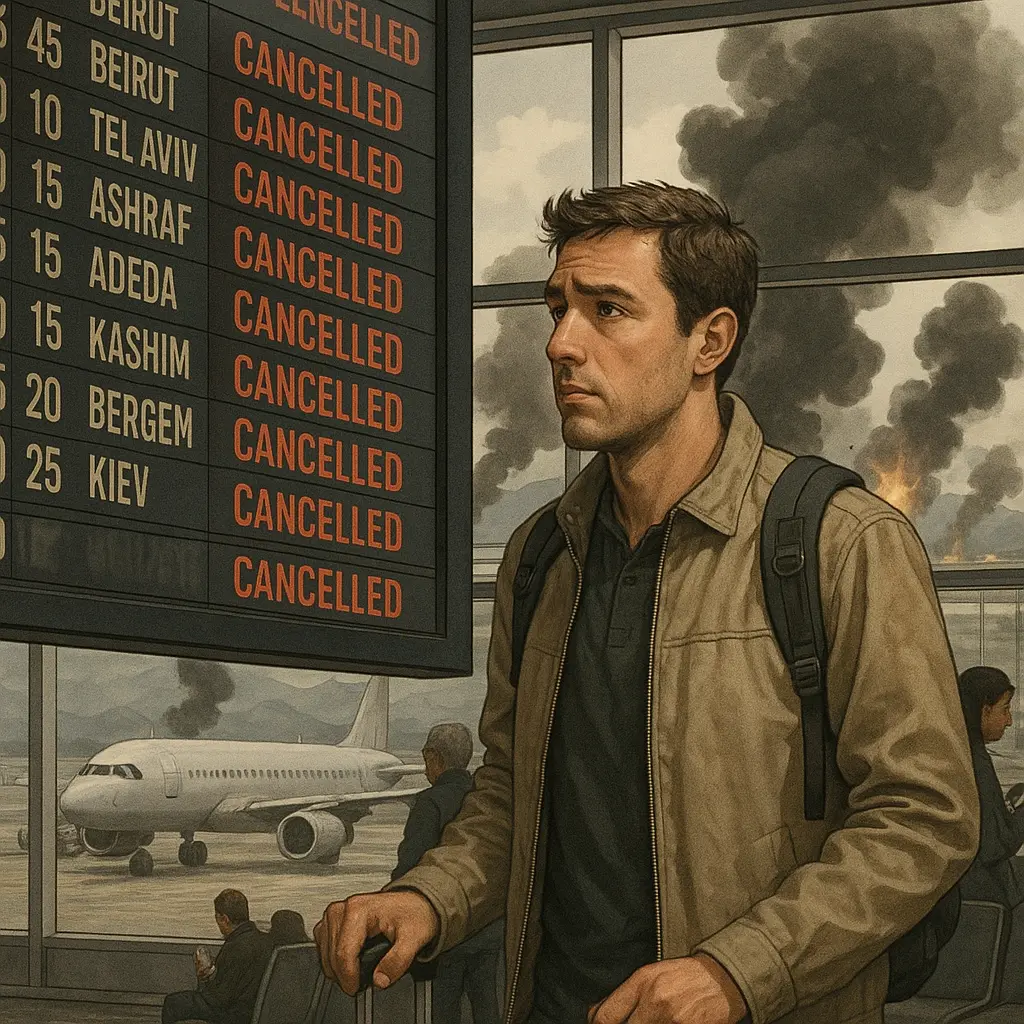
Recent conflicts in the Middle East, particularly between the U.S., Iran, and Israel, have led to significant disruptions in air travel. Major hubs like Dubai and Doha have shut down for several days, stranding thousands of passengers. Understanding these disruptions is crucial for travelers to plan effectively and navigate the ongoing situation.
What Is Happening in the Middle East?
The situation in the Middle East is escalating, leading to closures of important airports and airspace. Tensions have disrupted flights, creating a ripple effect across the globe. Major airlines are canceling and rerouting flights, which affects travel plans for many. This is especially important for travelers planning to fly through these regions.
Impact on Air Travel
With airspace closures, many travelers are facing delays and cancellations. Airlines like Qatar Airways and Lufthansa have already canceled numerous flights. Travelers should stay informed about flight statuses and be prepared for changes.
Who Is Affected?
Different types of travelers will feel the impact in various ways:
- Business travelers may need to find alternative routes or reschedule meetings.
- Tourists may find that popular destinations are now inaccessible.
- Migrant workers who rely on flights from the Middle East to their home countries may face urgent travel issues.
Planning Your Travel in Uncertain Times
Travelers should consider several factors when planning trips during these disruptions:
- Check the latest updates on flight statuses and airline policies before booking.
- Consider travel insurance that covers cancellations due to geopolitical events.
- Be flexible with travel dates and routes, as changes can happen suddenly.
Booking Tips
When booking flights or accommodations, keep the following in mind:
- Look for airlines that offer free rebooking options in case of cancellations.
- Be proactive in contacting airlines if your flight is affected.
- Consider alternative airports or routes that may not be impacted by the closures.
What to Expect in the Coming Weeks
The situation in the Middle East is expected to remain tense, which means travel disruptions may continue. Travelers should monitor news sources and airline communications closely. Here’s what to realistically expect:
- Potential for ongoing flight cancellations and delays.
- Increased prices for flights as demand fluctuates.
- Longer wait times for customer service, especially with airlines.
“We were told the airspace had closed. It was chaotic, and we had no information at all.”
“I had to scramble to find another route home after my flight was canceled. It’s frustrating not knowing what will happen next.”
Conclusion: Stay Informed and Flexible
Traveling during times of conflict can be challenging. However, by staying informed and flexible, travelers can navigate these disruptions more effectively. Keep an eye on the news, check flight statuses, and be ready to adapt your plans as needed. Safe travels!