Understanding Travel Options Amid Middle East Conflicts
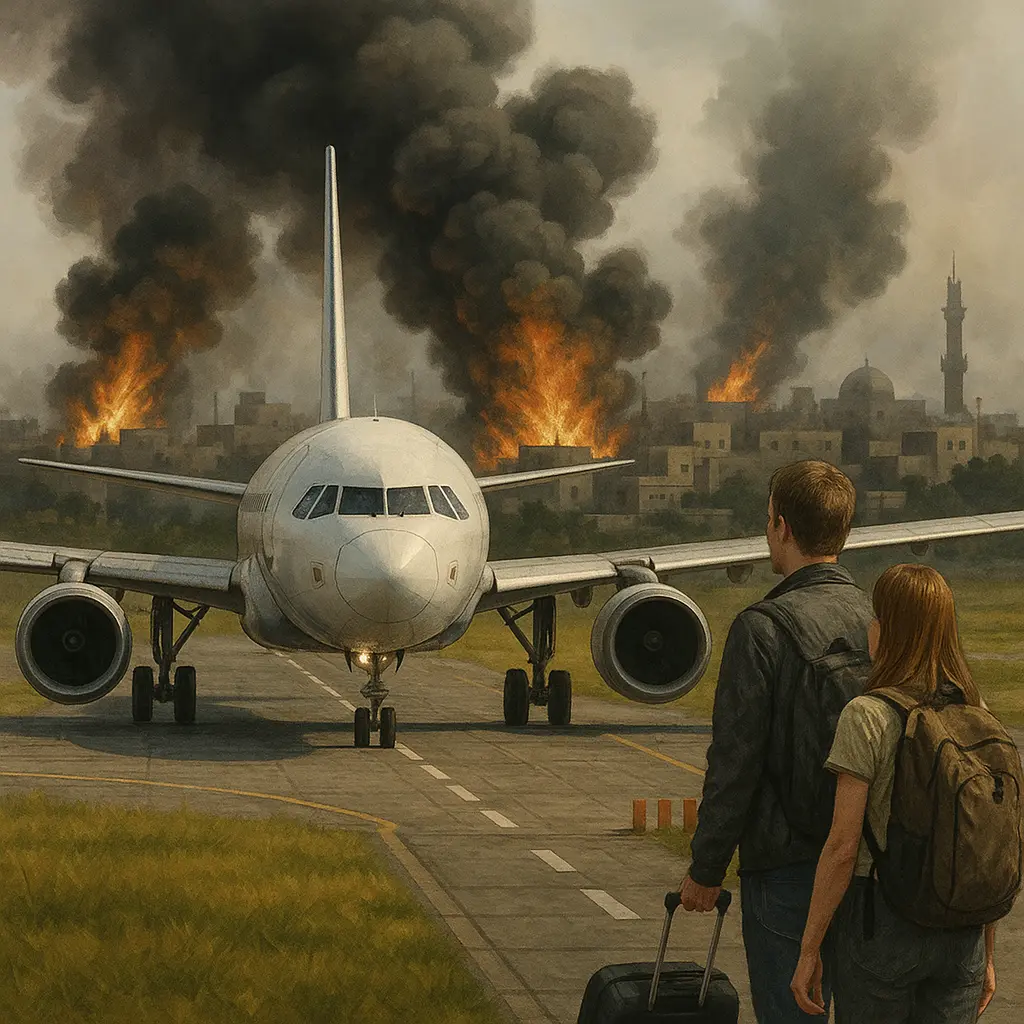
Recent conflicts in the Middle East have affected air travel significantly. As tensions rise, many travelers are seeking ways to leave the region quickly. This situation is important for travelers to consider when planning trips. Increased demand for flights and soaring ticket prices are making travel planning more complex.
Airline Response to Conflict and Travel Choices
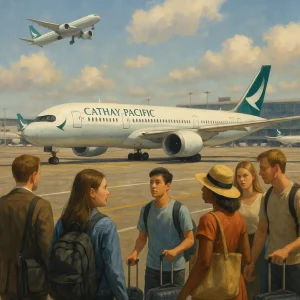
Asian airlines like Cathay Pacific and Singapore Airlines are stepping in as key players for travelers looking to escape the Middle East. With major Gulf airlines like Emirates and Qatar Airways facing airspace closures, these Asian carriers can offer non-stop flights between Europe and Asia.
Impact on Ticket Prices
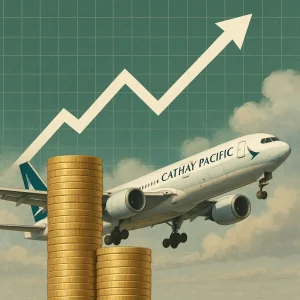
Ticket prices have surged dramatically. For instance, the cost of a one-way economy ticket with Singapore Airlines from Heathrow to Singapore has jumped to $8,540. This is a staggering 900% increase compared to fares a few weeks later. Travelers need to be aware of these price changes when making travel decisions.
Traveling from Europe to Asia
Many travelers in Europe are looking for options to Asia that do not involve passing through the Middle East. This has created a shift in travel patterns, with travelers paying high premiums for flights that avoid conflict zones.
Types of Travelers Affected by the Situation
Different groups of travelers are impacted by the current situation in the Middle East. These include tourists, expatriates, and business travelers.
- Tourists: Those planning vacations may need to adjust their itineraries or consider alternative destinations.
- Expatriates: People living in the Middle East may be trying to leave quickly, often at high costs.
- Business Travelers: Professionals needing to travel for work must find ways to navigate the disruptions and higher fares.
Planning Scenarios for Travelers
Travelers should think about the following scenarios when planning their trips amid the current conflict:
- Booking flights with Asian carriers that are still operating regularly.
- Considering alternate routes that may involve longer travel times.
- Being prepared for last-minute changes in flight availability and pricing.
What to Keep in Mind When Booking
When making travel plans, travelers should consider:
- Checking multiple airlines for the best routes and prices.
- Being flexible with travel dates to find more affordable options.
- Monitoring potential changes in airspace availability in the Middle East.
“I never thought I’d pay so much for a flight, but I just want to get out of here safely.”
Realistic Expectations for Future Travel
As the situation evolves, travelers should keep realistic expectations. While prices are currently high, they may stabilize if the conflict resolves. However, disruptions could continue, leading to ongoing challenges in air travel.
What to Expect Next
Travelers should be prepared for:
- Continued high fares for flights avoiding the Middle East.
- Possible changes in flight schedules as airlines adapt.
- Increased availability of flights once the situation stabilizes.
Analyzing the Travel Demand and Experience
The current conflict in the Middle East has reshaped travel demand significantly. With major carriers grounded, travelers are shifting to Asian airlines, leading to a temporary increase in fares. This redistribution of traffic will likely impact availability and options for travelers in the near future.
Travelers should remain vigilant and flexible in their travel planning. By understanding the implications of these ongoing events, they can make informed decisions that suit their travel needs.