

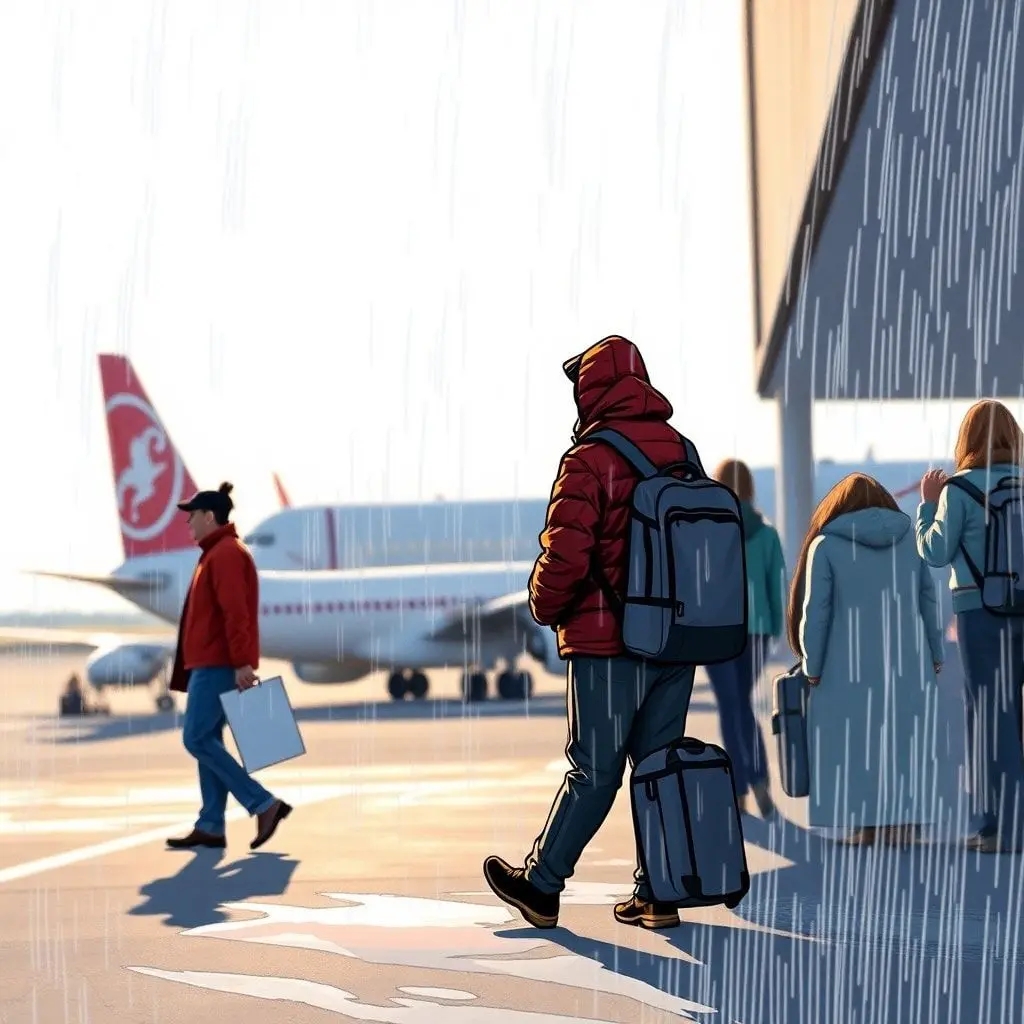
Traveling by air can be an exhilarating experience, yet it often comes with unexpected interruptions. Conditions in the atmosphere play a crucial role in determining the efficiency of these journeys. From storms to turbulence, the influences are numerous and can lead to extended hours in the skies. As we delve deeper, we will uncover various factors that contribute to travel time variability.
Most travelers might not realize that certain elements can drastically alter their itinerary. For instance, a sudden shift in winds may cause a flight’s path to change, adding extra minutes or even hours. According to the FAA, nearly 30% of delays are attributed to these atmospheric variations, making it imperative for passengers to understand the contributing factors.
While it may seem daunting, there are effective strategies to navigate these uncertainties. Preparing for the unexpected can lead to a smoother experience. Staying informed through real-time updates can make all the difference. For instance, passengers who check flight statuses frequently tend to encounter fewer surprises. Engaging with the right resources will empower travelers and enhance their journey.
By understanding the dynamics that govern travel times, individuals can take charge of their experiences. Being aware of how varying phenomena can influence routes enables better planning and flexibility. Ultimately, knowledge can transform a potentially frustrating situation into one that is manageable, allowing travelers to embrace their adventures with confidence.
Understanding Weather Influences on Flights
Conditions in the atmosphere can greatly affect the journey from takeoff to landing. Various elements come into play, like air pressure, temperature, and precipitation. Each of these factors can cause unexpected changes in travel times. For instance, strong winds might lead to longer routes. Similarly, heavy rain can ground flights or cause them to be delayed. While flying is generally safe and efficient, it is inherently susceptible to environmental factors.
According to industry statistics, nearly 30% of delays are attributed to atmospheric disturbances. Turbulence, often caused by changes in wind patterns, can also result in longer travel times. Pilots are trained to navigate these situations, but sometimes diversions become necessary for safety reasons. Understanding these influences helps passengers better appreciate the complexities involved in aviation. In addition, it can reduce frustration when unexpected changes occur.
Air traffic control plays a crucial role in managing these challenges. They continuously monitor conditions at various airports and along flight paths, ensuring that routes remain as efficient as possible. Improving communication between airlines and passengers can ease concerns during these times. As advancements in meteorological technology improve forecasting, the aviation industry can better adapt to changing situations. Over time, this will lead to a more reliable travel experience, even when faced with unpredictable atmospheric changes.
Ultimately, recognizing the significance of atmospheric influences allows travelers to remain informed. Such awareness contributes to a more enjoyable and relaxed journey, regardless of circumstances.
Types of Weather Conditions Affecting Air Travel
Specific atmospheric elements can greatly alter the experience of air transportation. Various phenomena lead to disruptions that can impact schedules and operational efficiency. Understanding how these conditions work is crucial for everyone involved. In this section, we will examine the most common atmospheric factors that influence travel. Each type has unique characteristics that create challenges for both airlines and passengers.
One prominent factor is strong winds. Powerful gusts can force pilots to alter their flight paths unexpectedly. These changes can lead to longer travel times and increased fuel consumption. For instance, flights departing from windy airports often require additional fuel reserves. According to the National Weather Service, nearly 10% of delays are connected to wind-related issues.
Another challenge arises from thunderstorms. They can create turbulence and poor visibility, making safe landings difficult. Airports frequently implement temporary ground stops during severe storms to ensure safety. Statistics show that severe thunderstorms account for approximately 30% of total delays during peak seasons.
Snow and ice also play significant roles in aviation disruptions. Airports with heavy snowfall may struggle to maintain operational efficiency. De-icing procedures become necessary, which can consume valuable time. A study published by the Federal Aviation Administration indicated that winter weather conditions contribute to around 20% of annual delays.
Fog can limit visibility, causing airlines to adjust their schedules accordingly. Flights may experience longer holding patterns or diversions to alternate airports. Airports located in coastal regions often face this obstacle, particularly during the early morning. Research has shown that fog is responsible for about 15% of travel-related inconveniences during certain months.
Lastly, turbulence caused by atmospheric pressure changes can also hinder smooth travel. While pilots are trained to handle such situations, unexpected turbulence can still occur. This can lead to discomfort for passengers and necessitate changes in altitude. The Aviation Safety Network reports that turbulence is involved in approximately 5% of all reported incidents annually.
Rain and Thunderstorms
Inclement conditions, such as rain and thunderstorms, can significantly alter travel plans. Heavy precipitation and electrical activity create challenges for air travel. Pilots and air traffic controllers must navigate through reduced visibility and turbulent air. This can lead to route changes, extended wait times, and, in some cases, cancellations. Safety is the top priority, and airlines are prepared to adapt their operations accordingly.
In fact, flights often experience an average delay of up to 30 minutes during thunderstorms, according to industry statistics. Rain can cause reduced landing speeds and necessitate increased stopping distances. Thunderstorms, on the other hand, present a more complex scenario due to both lightning and gusty winds.
Airlines frequently monitor weather patterns to ensure flight safety. Typically, they reroute flights to avoid severe storms, which might delay arrival times. Passengers should anticipate potential disruptions, especially during the peak thunderstorm season in summer months.
| Impact Factor | Average Delay (minutes) |
|---|---|
| Light Rain | 10-15 |
| Moderate Rain | 20-30 |
| Thunderstorms | 30-60 |
To stay informed, travelers can leverage flight tracking apps that provide real-time updates on delays and cancellations. Additionally, considering alternative routes or airlines during storm seasons can also help mitigate the impact of unforeseen disruptions. For those planning to travel to destinations such as Belarus, exploring options for flights belarus can enhance flexibility and ensure a smoother journey.
Wind Patterns and Their Effects
One of the significant factors influencing air travel is the presence and behavior of wind. Wind patterns can vary greatly depending on the region and time of year. Understanding these variations is crucial for the planning and execution of a journey. Strong winds can either aid or hinder the speed of a plane. Pilots must constantly adapt to changing conditions, balancing safety and efficiency.
Predominantly, winds can be categorized into two types: headwinds and tailwinds. Headwinds slow down the aircraft, which can lead to longer travel times. Conversely, tailwinds provide an extra push, resulting in quicker arrivals. Each of these wind types can significantly affect the overall journey.
- Headwinds can increase fuel consumption by up to 15%.
- Tailwinds can reduce flight times by nearly 10% in optimal conditions.
- Crosswinds can pose challenges during takeoff and landing phases.
- Jet streams can create turbulence, impacting passenger comfort.
Moreover, specific wind patterns, like the jet stream, can dramatically alter typical routes. These fast-flowing air currents in the upper atmosphere travel from west to east and can influence the altitude at which planes fly. Operating at optimal altitudes allows pilots to harness these winds. This strategic maneuvering can lead to significant time savings. For instance, flights heading east might experience reduced durations, while those traveling west face potential delays due to opposing winds.
Understanding local wind conditions is equally crucial. Coastal areas and mountain ranges often exhibit unique wind behaviors. For travelers planning journeys, such as flights to burma, being aware of these factors can enhance planning and expectations.
Fog and Reduced Visibility
One of the most significant challenges for air travel arises from limited visibility. Fog creates an environment where pilots struggle to see the runway and navigate effectively. This scenario can lead to adjustments in takeoff and landing protocols. As a result, airports may experience a cascade of operational consequences, with ripple effects felt throughout the aviation network. Additionally, aircraft must often hold in the air longer to await improved conditions.
Statistics reveal that fog accounts for nearly 20% of all weather-related delays. It can dramatically increase the time needed for aircraft to land safely. Visibility reductions down to less than a quarter mile can prompt stringent operational restrictions. Pilots rely on instruments and technology during these times, but they must also adhere to specific safety regulations that can slow down the process.
Air traffic control plays a crucial role in managing traffic during these adverse situations. They carefully coordinate movements to ensure safety, often resulting in longer wait times on the ground for incoming flights. In some cases, diversions to other airports may become necessary. This can create frustration for passengers and airlines alike.
| Condition | Typical Visibility | Potential Impact |
|---|---|---|
| Clear | More than 6 miles | Minimal delays |
| Light Fog | 1 to 6 miles | Short delays possible |
| Dense Fog | Less than 1 mile | Significant delays likely |
Passengers can prepare for the possibility of extended waiting times during foggy conditions. Checking real-time updates from airlines can provide insights into potential changes. Arriving at the airport early is always a smart move, especially when low visibility is forecasted. Awareness of local weather reports can also help travelers plan accordingly.
Statistical Impact of Weather on Flight Times
In the realm of aviation, fluctuating climatic conditions play a pivotal role in determining travel efficiency. Numerous studies have highlighted that adverse atmospheric shifts can significantly alter planned schedules. For instance, data reveals that approximately 70% of delays can be attributed to environmental factors. Understanding the correlation between these elements and air travel is essential for both airlines and passengers alike.
Research shows that heavy rainfall can lead to an average increase of 15 minutes in flight times. This, however, pales in comparison to the consequences of severe storms, which can extend delays by over 30 minutes on average. Likewise, gusty winds often result in slower landing and takeoff speeds, adding further time to itineraries.
- Over 50% of delays are caused by thunderstorms.
- Fog can reduce visibility, causing up to 25% of flights to be delayed.
- Wind patterns can lead to changes in flight paths, increasing time en route.
Moreover, an interesting statistic from the Bureau of Transportation indicates that nearly 30% of overall air travel delays are weather-related, underscoring the fact that factors such as seasonality can further complicate situations. For example, winter months frequently bring an uptick in delays due to snow and ice, further complicating scheduling and logistics. The data paints a clear picture: inclement conditions significantly hinder the smooth operation of air travel.
In conclusion, recognizing these influences can assist travelers in planning their journeys. For those considering destinations like Monaco, it’s advisable to check the climatic forecasts and possible disturbances ahead of time. For more information, you may want to explore nice to monaco flights.
Average Delay Durations in Severe Weather
Adverse atmospheric conditions can significantly disrupt travel schedules. Each situation brings its unique challenges, often leading to variations in waiting times. Passengers may find themselves stranded longer than expected during certain events. Understanding the typical extent of these interruptions can help in planning ahead.
For instance, data indicates that intense thunderstorms can contribute to average delays of around 60 to 90 minutes. Flight cancellations may also occur, further extending the period of inconvenience. In addition, significant wind gusts often lead to rerouting or holding patterns, resulting in waiting times that can reach 30 to 50 minutes.
Fog is another culprit, with low visibility causing an average setback of 45 minutes. It can cause a domino effect, as numerous planes may be affected simultaneously. In more critical cases, such as blizzards or ice storms, delays can stretch beyond two hours, impacting numerous flights throughout the day.
To illustrate, during 2024’s winter storm season, nearly 12% of flights faced delays averaging 120 minutes or more due to hazardous conditions. These statistics highlight the profound effect severe atmospheric phenomena can have on travel plans.
Planning around these potential interruptions can lead to a more manageable travel experience. Being aware of the timeframes associated with severe conditions allows for better decision-making and reduces the stress associated with travel disruptions.
Regional Variations in Weather-Related Delays
Different areas experience distinct climatic conditions, which can significantly affect travel schedules. Each region has its own set of challenges when it comes to atmospheric conditions. Factors like geography, elevation, and proximity to water bodies play a crucial role. Consequently, travelers may face varied interruptions regardless of the overall season.
Coastal regions often contend with storms and heavy rain. These phenomena can lead to sudden cancellations and rescheduling. In contrast, mountainous areas might deal with snow and ice, which can cause lengthy wait times on the tarmac. Urban centers, with their unique airspace congestion, may also see increased interruptions due to local phenomena.
For instance, in the northeastern United States, blizzards can lead to an average of 2-3 hours of delays during peak winter months. Meanwhile, the Pacific Northwest may experience oppressive fog that ground flights for hours, impacting connecting routes drastically. The Midwest often faces thunderstorms in summer, which can cause ripple effects across the national air traffic system. Similarly, the South may encounter hurricanes that disrupt not just local operations but also ripple through surrounding states.
Thus, understanding local patterns is essential for both travelers and airline operators. By being aware of regional trends, passengers can plan accordingly and reduce their frustration during unforeseen interruptions caused by seasonal changes or unexpected atmospheric conditions.
Strategies to Reduce Flight Delays
When journeys are interrupted, passengers often seek ways to avoid such disruptions. Implementing effective measures can significantly enhance travel experiences. Smart planning, timely decisions, and understanding processes play vital roles. Knowing what to do can ease frustrations during unforeseen interruptions.
First, monitoring real-time updates is crucial. Many airlines provide apps or websites with current information. This can help travelers stay informed about any changes. Also, considering alternative routes and timing can prove beneficial. Flexibility leads to better options.
Choosing off-peak travel hours often results in shorter waits. Research has shown that flights during less busy times encounter fewer interruptions, with delays decreasing by approximately 20% compared to peak travel periods. Such strategies can lead to more seamless journeys.
Advanced technology can also aid passengers in this quest. Many airlines utilize sophisticated systems to predict and react to changes. This can help in adjusting flight schedules proactively, reducing the chances of delays as much as possible. Staying connected enables travelers to adapt swiftly to shifting situations.
Finally, direct communication with airline representatives often yields solutions. Whether it’s rebooking or accommodations, being proactive can lead to better outcomes. Passengers who express their concerns usually receive assistance more promptly. All these strategies, when combined, contribute to a smoother travel experience.
Planning and Timing Your Travel
Careful organization can significantly enhance your overall travel experience. Choosing the right time for your journey is crucial. A well-timed trip may save you from the frustration of unexpected interruptions. Paying attention to specific travel trends can yield benefits as well. While spontaneity has its charm, informed planning often leads to smoother travels.
Consider the time of day when booking your tickets. Early morning flights generally face fewer interruptions. This is because weather patterns often stabilize as the day progresses. Afternoon and evening flights may encounter increased turbulence and conditions, which could result in longer travel times. Additionally, preparing for holiday seasons can help avoid crowded airports and delays.
- Research peak travel seasons.
- Book flights during less busy times.
- Utilize tools that track fare changes.
- Consider alternative airports for better timing.
Understanding layover durations is equally important. A short layover can be risky, especially when dealing with unexpected circumstances. Conversely, a longer layover may provide peace of mind. However, overplanning can lead to boredom. Striking a balance will enhance your journey comfort.
Furthermore, subscribe to flight status notifications. These alerts can conveniently keep you informed about your chosen route. Additionally, having a flexible itinerary allows for quick adaptations to your schedule. Researching alternative routes in advance provides peace of mind. Such strategies can lead to a more enjoyable trip.
Ultimately, conscious planning and effective timing can transform your travel experience. By being proactive and informed, you increase the chances of a seamless journey.








18 responses
That’s a good idea. Being proactive about potential weather delays can save you a lot of stress in the long run.
It’s frustrating, for sure. But safety always comes first when it comes to flying in bad weather.
Hey, does anyone have any tips for dealing with weather-related delays when traveling?
Yeah, I always remind myself that delays are just a part of traveling and try to stay patient when things don’t go as planned.
Yo, does anyone know if airlines have strategies in place to reduce delays caused by bad weather?
Weather delays can really ruin your travel plans. I always try to check the weather forecast before booking flights now.
Bro, I hate when my flight gets delayed because of some stupid thunderstorm. Like, can’t they just deal with it and get me to my destination on time?
Yeah, I read somewhere that airlines use route optimization and alternate airports to avoid weather delays. Pretty smart, huh?
Do you guys think it’s worth it to pay extra for a flight with a better chance of avoiding weather delays?
Hey, do you think pilots are trained differently to handle flights in bad weather?
Yeah, it’s a nice gesture, but it’s still a pain to deal with the hassle of rebooking and rearranging your plans.
Hey, do you think airlines should offer refunds or compensation for weather-related delays?
Man, as a travel agent, dealing with weather delays is a nightmare. You gotta constantly be checking forecasts and updating your clients on potential delays.
Weather delays are so frustrating, but safety always comes first when it comes to flying. It’s better to be safe than sorry.
Definitely a smart move. Avoiding hurricane season or winter storms can help reduce the likelihood of delays.
Ugh, I feel your pain. Weather delays are the worst, especially when you’re eager to start your vacation.
Guys, what do you think about booking flights during certain seasons to avoid weather delays?
For sure. Pilots go through rigorous training to learn how to navigate through turbulence and bad weather safely.