The Federal Aviation Administration announced Sunday that it is lifting all restrictions on commercial flights that had been imposed at 40 major airports during the nation’s longest government shutdown.
Beginning Monday at 6 a.m. EST, airlines will be allowed to resume their regular flight schedules, according to a joint statement by Transportation Secretary Sean P. Duffy and FAA Administrator Bryan Bedford.
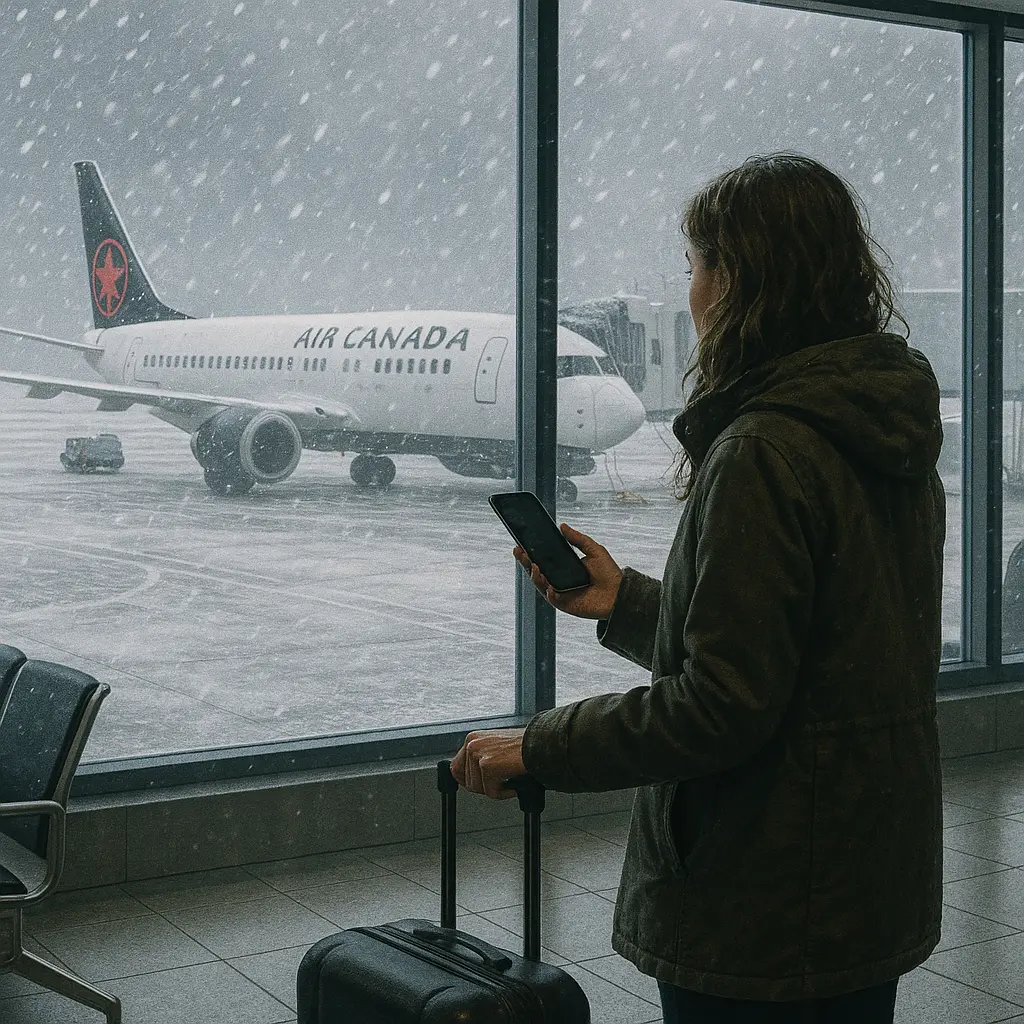
The unprecedented order, issued November 7, limited air traffic due to growing staffing shortages at air traffic control facilities during the shutdown. The restrictions affected thousands of flights across the country, including operations at major hubs such as New York, Chicago, Los Angeles and Atlanta.
How the Flight Cuts Evolved
The mandated reductions began at 4%, later increased to 6%, and were rolled back to 3% on Friday as staffing levels improved following the shutdown’s end on November 12.
Over the weekend, cancellations hit their lowest point since the order was issued. Aviation analytics firm Cirium reported that fewer than 1% of flights were canceled this weekend, while FlightAware tracked 149 cancellations on Sunday and 315 on Saturday.
The FAA said its safety team recommended rescinding the order after “detailed reviews of safety trends and the steady decline of staffing-trigger events in air traffic control facilities.”
The agency also noted that it is reviewing possible enforcement actions against carriers accused of non-compliance during the emergency order.
Shutdown-Driven Disruptions Reached a Peak
Flight cancellations peaked on November 9, when airlines cut more than 2,900 flights due to the FAA order, controller shortages and severe weather. Conditions began improving last week as more controllers returned to work and Congress neared a deal to reopen the government.
Initially, the FAA planned to increase flight cuts to 10%, citing safety concerns and data showing the need to reduce pressure on the aviation system as staffing shortages worsened.
Air traffic controllers, considered essential workers, were required to work without pay during the shutdown and missed two paychecks.
Duffy has not released the specific safety data behind the reductions, but cited increased reports of aircraft coming too close together, more runway incursions, and pilot concerns about controller performance during the shutdown.
Outlook for Holiday Travel
Airline executives have expressed optimism that operations will fully stabilize in time for the Thanksgiving travel period, now that the FAA has lifted the flight-reduction order.