Understanding Emergency Landings and Their Impact on Travel Planning
Recently, a Swiss International Air Lines flight had to make an emergency landing due to engine problems. This incident highlights important aspects of air travel that travelers should consider. Understanding how emergencies affect travel plans can help you make better decisions when planning your trips.
Context of Emergency Landings in Air Travel
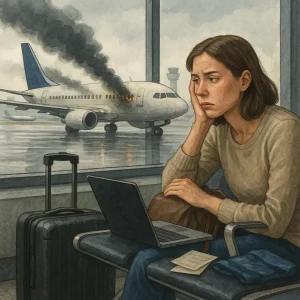
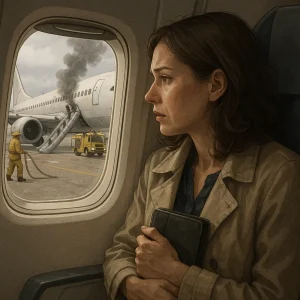
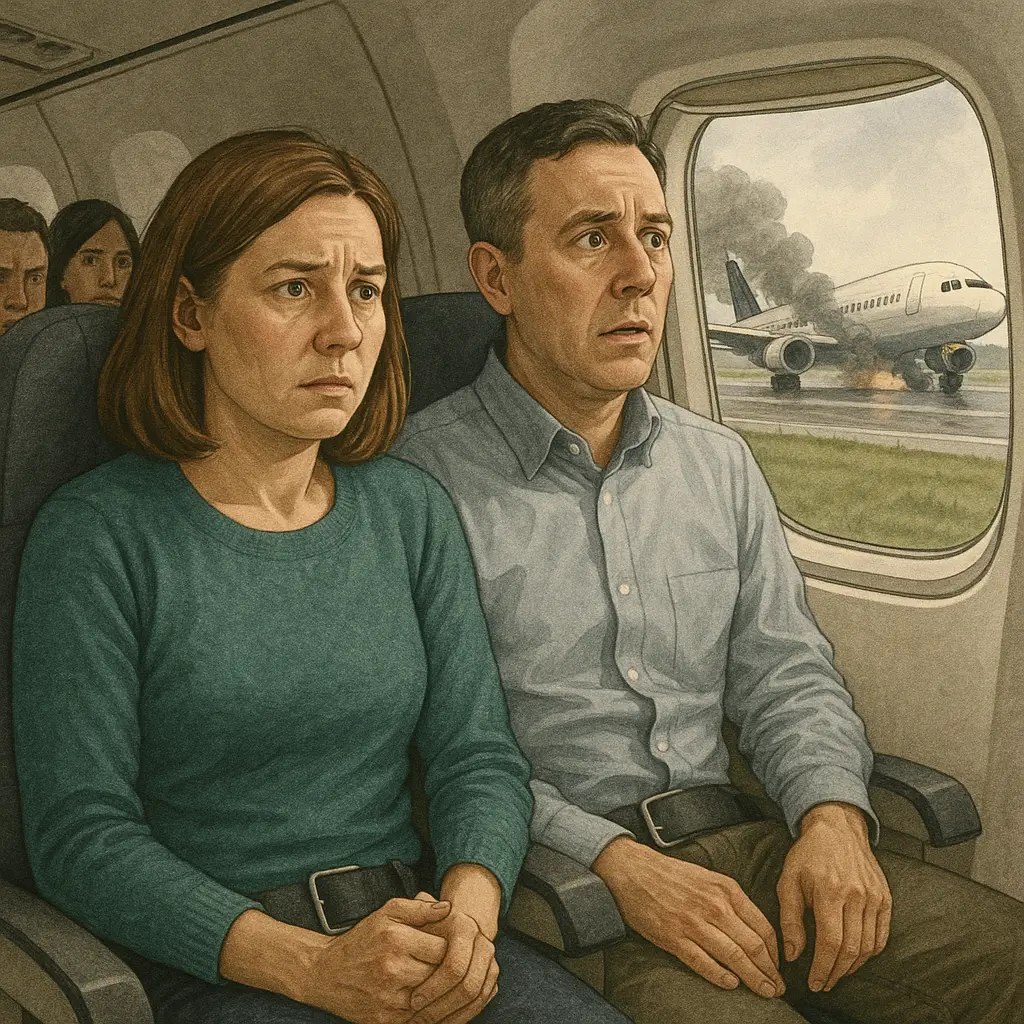
Emergency landings can happen for various reasons, such as technical failures, severe weather, or health emergencies. In the case of Swiss Flight 1885, the Airbus A220 filled with smoke after an engine problem, leading to an emergency landing in Graz, Austria. All passengers were evacuated, and some needed medical attention.
Travelers should be aware that while air travel is generally safe, emergencies can occur. This awareness can help you prepare better for unexpected situations.
Types of Travelers Affected by Such Incidents
Different types of travelers may be impacted by emergency landings:
- Business Travelers: They might face delays, affecting meetings or schedules.
- Families: Traveling with children can be more stressful during emergencies.
- Frequent Flyers: They may have a more relaxed approach but still need to stay informed of safety protocols.
Regardless of your travel style, knowing what to expect during emergencies can help manage your travel experience better.
Planning Scenarios for Future Travel
When planning your trips, consider the following scenarios related to potential emergency landings:
- Flights with a history of technical issues may have a higher risk of emergencies.
- Traveling to or from areas prone to severe weather can increase the chance of flight disruptions.
- International flights may have more complex emergency procedures, which can affect evacuation times.
By understanding these scenarios, you can make informed choices about your travel routes and airlines.
Booking and Scheduling Considerations
When booking flights, keep these factors in mind:
- Check the airline’s safety record and read recent passenger reviews.
- Consider purchasing travel insurance that covers delays and cancellations due to emergencies.
- Stay informed about flight status and possible rerouting options.
These considerations can help you feel more secure in your travel plans and provide options in case of unexpected events.
What to Expect After an Emergency Landing
After an emergency landing, travelers can expect a few things:
- Potential delays in travel as the airline assesses the situation.
- Communication from the airline regarding next steps and support.
- Possible medical checks for passengers and crew members, as seen with the Swiss flight incident.
Staying calm and informed during these situations is essential for a smooth travel experience.
“I never thought my flight could be so disrupted. Now I know to plan better for emergencies.” – Frequent Traveler
“I always read the safety records of airlines. This incident reminded me how important it is.” – Business Traveler
Assessing Travel Demand and Safety in the Current Climate
Incidents like emergency landings can impact travel demand. Travelers may become cautious and opt for airlines with better safety records. As a result, airlines with good safety practices may see an increase in demand. Additionally, travel timing can be affected as airlines may adjust schedules and routes for safety checks.
Overall, maintaining awareness of safety protocols and airline performance can enhance your travel experience and ensure safer journeys.