

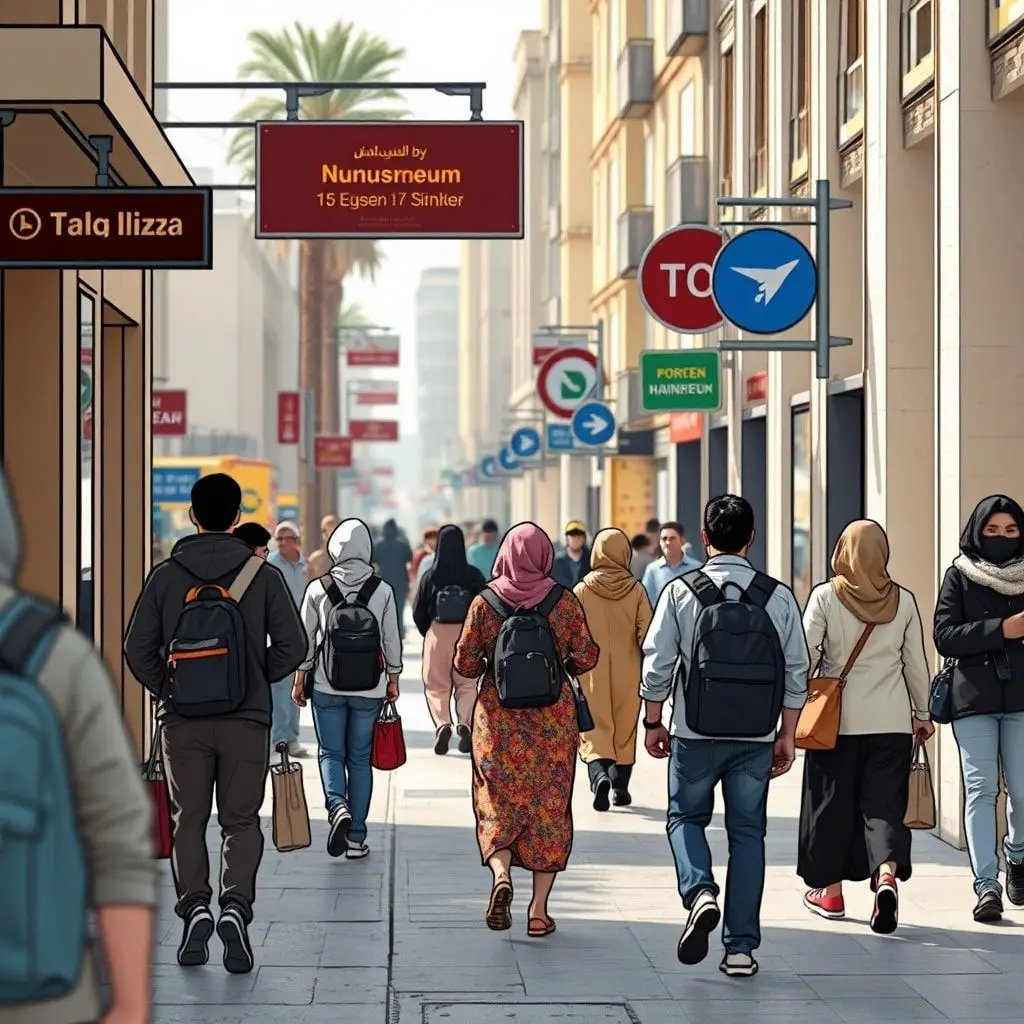
Embarking on an adventure in diverse regions stretches beyond mere itineraries. It involves understanding intricate systems of travel requirements and embracing local traditions. Each destination offers unique experiences that enrich our understanding of the world. Awareness of regulations related to entry can significantly enhance your travel efficiency. Familiarity with customs can lead to deeper connections with the people you meet.
Many travelers underestimate the importance of proper documentation and cultural awareness. Did you know that over 30% of international travelers face issues due to inadequate paperwork? Additionally, navigating social customs can sometimes make all the difference in your experience. Respecting local traditions fosters goodwill and opens doors to authentic interactions. Ultimately, both preparation and cultural sensitivity pave the way for unforgettable journeys.
As you delve into these vital aspects, remember that each piece of information contributes to a smoother adventure. Knowledge is a powerful ally, and being equipped with the right tools ensures that you can focus on creating lasting memories in stunning landscapes and vibrant communities.
Essential Guide: Preparing for Your Journey
When embarking on a new adventure, careful planning is crucial. Every detail matters, from accommodation to transport. Researching your destination enhances your experience and helps to avoid surprises. Understanding the local customs can elevate your trip beyond the ordinary. Each journey is a chance to immerse yourself in a different way of life, making thoughtful preparation key.
Consider these important aspects:
- Travel insurance coverage for unexpected events.
- Health precautions, including vaccinations and medications.
- Currency and budgeting to manage expenses effectively.
- Understanding local laws to ensure compliance.
- Language basics to facilitate communication.
In addition to logistics, being aware of cultural nuances can significantly influence your interactions. For instance, greetings can vary widely, and knowing the appropriate gestures or phrases can create a positive first impression.
Additionally, ensure to have all necessary documentation in order, including passports, visas, and any other relevant paperwork, as this can prevent delays and misunderstandings upon arrival. Planning your itinerary ahead of time allows for a balanced mix of activities and downtime, maximizing your enjoyment and exploration potential.
To further enhance your travel experience, consider booking cheap flights asia in advance. This not only saves money but also opens up more opportunities to explore diverse regions.
By embracing preparation, you set the stage for a memorable experience that transcends mere sightseeing, enabling you to forge authentic connections with the culture and its people.
Visa Requirements for Middle Eastern Travel
Navigating entry regulations can often feel overwhelming. Each country in this vibrant region has its own set of requirements. Understanding these prerequisites is crucial for a smooth visit. Travelers must be aware of what documents are needed to gain entry.
Many nations offer e-Visas, simplifying the application process significantly. For instance, countries like the UAE and Bahrain have streamlined their systems to attract more visitors. In contrast, some destinations require traditional visas, which may necessitate detailed documentation and advance planning.
It’s essential to check the expiration dates on your passport. Most countries in this area require that your passport be valid for at least six months beyond your planned departure date. Failing this rule could lead to denied boarding and missed opportunities.
Furthermore, travel insurance can sometimes play a role in the visa application process. Certain regions may request proof of coverage before granting entry, ensuring that travelers are prepared for unexpected situations. Each country implements unique regulations, so thorough research is vital.
Lastly, always keep updated with travel advisories and changes in requirements. Immigration policies can shift rapidly, reflecting national priorities or security concerns. Being informed will not only enhance your travel experience but also minimize potential complications at borders.
Understanding Different Visa Types
When planning travel abroad, grasping the nuances of visa classifications is crucial. Various types cater to diverse purposes and durations. Depending on your activities, you might require a tourist, business, or even a work visa. Each category is governed by specific regulations and requirements. An in-depth understanding can smoothen your travel experience.
Tourist visas typically allow for short stays and activities focused on leisure. Business visas serve those engaging in commerce, meetings, or conferences. Transit visas come into play if your travel includes layovers in specific countries. Moreover, work visas are necessary for individuals looking to secure employment abroad. Each of these permits requires appropriate documentation and adherence to the issuing country’s regulations.
| Visa Type | Purpose | Typical Duration | Application Requirement |
|---|---|---|---|
| Tourist Visa | Leisure travel | Up to 90 days | Proof of accommodation and return ticket |
| Business Visa | Meetings, conferences | Varies, often 30-90 days | Invitation letter from host company |
| Transit Visa | Layovers | Usually up to 5 days | Confirmed onward travel ticket |
| Work Visa | Employment | Varies, often long-term | Job offer and sponsorship |
Understanding these distinctions can significantly impact your travel planning. Always verify the visa requirements of your destination ahead of time. Most countries have specific regulations that may change frequently. Being informed not only eases the application process but also ensures you comply with local laws upon arrival. This careful attention to detail makes a significant difference in your travel experience.
Application Process and Timelines
Embarking on an international adventure demands careful attention to documentation and processing durations. Knowing what to expect can significantly reduce stress. Each country in this region has unique requirements and steps. Timelines vary widely based on the type of visa and the applicant’s nationality. Understanding these parameters helps in planning ahead.
Generally, the application process includes several crucial stages. First, gather necessary documents, including identification and travel itineraries. Submit the completed application form along with supporting materials. Often, additional interviews or verification may be required. Each country’s embassy or consulate provides specific guidance on their regulations.
Application processing times can fluctuate greatly from region to region. For instance, some visas may be processed within a few days, while others can take several weeks. It’s advisable to apply at least 4-6 weeks prior to your intended travel date. This ensures a buffer period for unforeseen delays. Below is a typical timeline for different types of visa applications:
| Visa Type | Processing Time |
|---|---|
| Tourist Visa | 5-10 business days |
| Business Visa | 7-14 business days |
| Student Visa | 2-6 weeks |
| Work Visa | 4-8 weeks |
Submitting all documentation accurately can accelerate the process. Be aware that some countries may have expedited services for an additional fee. Factors such as application volume and embassy-specific protocols also play a role. It is essential to remain updated on any changes in regulations or processing times, as these can impact travel plans significantly.
Common Mistakes to Avoid
Traveling to a new region can be filled with excitement, but it’s essential to stay aware of potential pitfalls that could hinder your experience. Many visitors unknowingly make errors that could easily be avoided. Misunderstanding local customs, neglecting to research regulations, or even failing to dress appropriately can lead to uncomfortable situations. A few simple precautions can greatly enhance your trip.
One common mistake is underestimating the importance of cultural understanding. Each country has its unique set of traditions and values that must be respected. For instance, gestures that are harmless in one locale may be offensive in another. Moreover, many travelers overlook the significance of observing local dress codes. In some areas, modesty is highly valued, and inappropriate attire can draw unwanted attention.
Another frequent oversight is misreading the local communication style. While some cultures emphasize directness, others may prefer subtlety and indirectness. This can lead to misunderstandings that might affect both social interactions and business dealings. Additionally, novices often disregard critical logistical aspects such as currency exchange rates, which can lead to unfavorable financial situations during their stay.
To sum up, avoiding these common blunders can make a substantial difference in how you experience your trip. Keep in mind that the more effort you put into understanding your destination, the richer and more enjoyable your visit will be. Awareness of local practices, coupled with a proactive approach to logistics, can transform potential challenges into memorable adventures. A little research goes a long way in ensuring a smoother, more respectful journey through this vibrant region.
Impact of Recent Policy Changes
Recent developments in immigration policies have reshaped travel dynamics across various regions. Countries are updating their regulations more frequently, impacting how individuals plan their trips. This shift can influence travel costs, timelines, and even the experience upon arrival. Understanding these changes is crucial for seamless transitions and enjoyment of any visit.
For instance, countries like Saudi Arabia and the UAE have introduced reforms to attract tourists. Such initiatives include streamlined visa processes and special programs for specific nationalities. The numbers speak volumes; reports indicate a significant increase in tourist arrivals since these changes were implemented. It’s essential to stay informed about the latest requirements, as they can vary dramatically. Furthermore, travelers must keep an eye on legislative updates that happen with little warning.
Moreover, the enhanced focus on tourism has led to improved infrastructure and services. This not only enriches the travel experience but also encourages longer stays. As air travel continues to evolve, finding cheap flights africa becomes easier, further enticing globetrotters. Keeping these aspects in mind can dramatically influence the travel experience.
In conclusion, adapting to recent changes in policies allows for more informed decision-making. Awareness of these developments fosters smoother travel experiences and encourages exploration. Embracing flexibility and staying updated can transform your adventure into something truly memorable.
Cultural Etiquette in the Region
Understanding local customs is crucial for a respectful interaction with the inhabitants. Every culture has its nuances. In this part of the world, traditions and social behaviors can significantly shape experiences. Observing the local norms can lead to positive connections.
First, greetings hold immense importance. A firm handshake is common, but wait for a local to initiate. Eye contact shows sincerity, while a smile can break barriers. Personal space varies greatly; be mindful of the distance you maintain.
Dining etiquette is another area of interest. Meals are often shared, and it’s considered polite to wait for the host to begin. Using your right hand is essential, as the left hand is viewed as unclean. Additionally, refusing food or drink can be seen as impolite, so accept with gratitude.
In professional settings, hierarchy plays a significant role. Respect for elders and authority figures is paramount. Meetings often start with light conversation, so don’t rush into business. Be patient; building trust can take time, but it’s worth the effort.
Moreover, dressing modestly is key. Covers for shoulders and knees are usually expected, especially for women. Men should also avoid shorts in formal situations. During Ramadan, respect the fasting customs by refraining from eating or drinking in public during daylight hours.
Recognizing these cultural subtleties can enhance your experience. Engaging in local traditions, such as festivals or markets, provides a deeper understanding. For those looking to expand their travel horizons, consider exploring diverse destinations, such as taking flights to Chuuk, where unique customs await.
Respecting Local Customs and Traditions
Understanding and honoring the unique customs and traditions of your destination enhances any visit. Each culture is defined by its historical context, beliefs, and social norms. When traveling, it’s essential to engage with these practices respectfully. This not only enriches your experience but also fosters positive interactions.
To make the most of your trip, consider the following aspects:
- Observe local dress codes, especially in religious or traditional sites.
- Learn a few basic phrases in the local language; it shows effort and respect.
- Familiarize yourself with local dining etiquette, as it varies significantly.
- Be mindful of public displays of affection, which may be frowned upon.
In many Middle Eastern countries, hospitality is a valued tradition, and visitors are often welcomed with open arms. Remember that accepting food or drink can be a sign of respect and gratitude. It’s customary to refuse a couple of times before accepting an offer. Respecting these unwritten rules will allow for a deeper connection with local communities.
Additionally, be aware of the significance of religious practices and holidays, as they can influence social interactions and business operations. For example, during Ramadan, many businesses may operate on altered schedules. Acknowledging and respecting these practices can make your stay more enjoyable and meaningful.
Dress Code Considerations for Travelers
Appropriate attire is essential when visiting new regions, particularly those with distinct cultural norms. Understanding local expectations can greatly enhance your experience. Clothing choices can influence interactions and help establish mutual respect. It’s important to remember that what may be acceptable at home might not be suitable abroad.
Here are several key considerations to keep in mind:
- Research local customs before arrival.
- Opt for modest clothing to show respect.
- Avoid garments that are too tight or revealing.
- Dress to fit in with the local community.
In many areas, both men and women are encouraged to wear long sleeves and pants, while women may also choose to wear headscarves in certain religious sites, as this demonstrates a willingness to honor local values and traditions. Additionally, be conscious of the local climate; lightweight fabrics can provide comfort while still adhering to cultural guidelines. Many travelers may be surprised to learn that such measures not only foster positive interactions but also enrich their travel experiences.
Different nations may have unique regulations regarding dress codes, particularly in religious or historical sites. Some recommendations include:
- Check the dress code for specific attractions.
- Wear comfortable shoes for walking.
- Bring layers for varying temperatures.
- Consider your attire when dining out or attending public events.
By being mindful of your clothing choices, you promote harmony and understanding, which enriches the travel experience for both visitors and locals, creating connections that transcend cultural barriers.
Communication Styles and Practices
Understanding how people interact is crucial when exploring new territories. Non-verbal cues often hold significant meaning, conveying emotions and intentions. The way messages are delivered can vary widely across different cultures. Effective communication hinges on awareness of these nuances, fostering better connections and mutual respect. Listening attentively is as valuable as speaking clearly.
In many Arab nations, establishing personal relationships is a prerequisite for conducting business. Expressive body language, gestures, and eye contact play vital roles. Clarity is essential, but so is patience. Most importantly, building rapport can often take precedence over the actual transaction. Rushing interactions may lead to misunderstandings.
Respect is an integral part of exchanges. For instance, addressing individuals by their titles or using appropriate forms of address shows consideration. Humor can be effective but must be employed thoughtfully to avoid offending. Open-ended questions can promote dialogue, allowing for a deeper exploration of topics.
Research indicates that 70% of communication is non-verbal, underscoring the importance of body language. In contrast, direct criticism is often viewed as impolite. Instead of confronting issues head-on, it may be better to discuss them delicately. Understanding these subtleties can enhance interpersonal exchanges.
Being mindful of cultural practices enriches interactions. For example, meals often serve as opportunities for bonding. Inviting someone to dine is a gesture of friendship. Likewise, hospitality is taken seriously, and refusing an offer can be seen as disrespectful. Therefore, knowing how to accept or decline graciously is essential.
In conclusion, effective communication in this context requires not just language skills but also an appreciation of cultural subtleties, which ultimately enhances relationships and fosters cooperation while traveling and engaging with local communities.











5 responses
As a travel agent, I always remind my clients to be mindful of their behavior when traveling in the Middle East. It’s important to always ask before taking photos of locals and to be aware of any local customs or traditions.
Just a heads up, some countries in the Middle East require women to cover their heads with a scarf or wear long sleeves when visiting certain places. Make sure you pack accordingly!
Traveling in the Middle East can be a rewarding experience, but it’s important to be prepared and respectful of the local culture. Remember, you are a guest in their country, so act accordingly!
One tip I always give to travelers heading to the Middle East is to try to learn a few basic phrases in the local language. It shows respect and can help you better communicate with locals!
Traveling to the Middle East can be an incredible experience, but it’s important to be aware of the cultural differences and show respect for the local customs. Always remember to do your research before you go!