


Traveling by air can be an exhilarating experience, but it often comes with its own set of challenges. Whether you’re embarking on a long-awaited vacation or a crucial business trip, unexpected occurrences can disrupt your plans. In fact, statistics indicate that nearly 20% of flights are delayed or canceled each year, impacting millions of passengers. Understanding how to respond appropriately during these situations is vital.
Being prepared can make a significant difference. It’s not just about knowing your rights as a traveler; it’s about having the right mindset. When things go awry, staying calm and collected is essential. A well-thought-out approach can ease stress and ensure you make the best out of an unforeseen situation.
Additionally, having a strategy in place can turn a potential nightmare into a manageable scenario. Consider booking flights with flexible policies or travel insurance to mitigate the fallout. Resources such as apps and websites can provide timely updates, empowering you with essential information for effective decision-making during unpredictable circumstances.
Flexibility is crucial when plans change suddenly. Being adaptable can lead to new opportunities, even as you navigate through the complications of travel. Remember, the journey doesn’t always follow a straight path, but with the right mindset and preparations, you can emerge from any travel hiccup with a positive outlook.
Understanding Flight Cancellations and Delays
Traveling can often feel like an unpredictable adventure. Unexpected changes impact plans significantly. Cancellations and postponements can lead to frustration. It’s essential to grasp the underlying factors contributing to these issues. Knowing what causes these interruptions can help mitigate stress.
Weather is a primary cause, affecting nearly 30% of all flight disruptions. For instance, heavy storms in one region can ripple through an entire network. Technical issues also play a role. Aircraft malfunctions may lead to unanticipated groundings. This can result in a cascading effect on the flight schedule.
Additionally, air traffic control limitations can contribute to delays. Congested airspace frequently causes bottlenecks, which ripple through the system. Moreover, operational challenges at airlines, such as staffing shortages, can exacerbate the situation. In 2024, nearly 20% of flights experienced some form of delay, highlighting the frequency of these occurrences.
Passengers should remain informed about their travel plans. Understanding airline policies regarding compensations can also be beneficial. Each airline has its own set of rules, and being aware can save time and energy. The key to navigating these circumstances lies in preparation and flexibility, making the journey smoother despite potential setbacks.
Common Causes of Flight Interruptions
Flight interruptions can stem from a variety of issues. Understanding these factors can provide insight into the unpredictability of travel. Some interruptions are weather-related, while others may arise due to technical difficulties or operational challenges. Travelers often feel frustrated when delays happen, but knowing the underlying causes can help manage expectations.
Severe weather conditions are one of the most frequent culprits. Rain, snow, fog, and storms can significantly impact visibility and safety. In fact, according to the Federal Aviation Administration, approximately 30% of all delays can be attributed to adverse weather conditions. Airlines prioritize passenger safety, which can lead to significant disruptions.
Mechanical issues also play a significant role. Airlines maintain rigorous safety standards, but equipment can fail unexpectedly. These situations often lead to grounding an aircraft for repairs, causing cascading delays across a flight schedule. An estimated 20% of interruptions are due to maintenance-related problems.
Another common cause involves air traffic control (ATC) delays. High traffic volume, airspace restrictions, and staffing shortages can all contribute to the need for re-routing or holding patterns. This can leave passengers waiting on the tarmac or during layovers, which is often frustrating, especially when no immediate answers are available.
Operational challenges within an airline’s system can also disrupt a travel itinerary. Factors like crew availability or gate assignments can lead to delays or cancellations. Such issues might sound minor, but they can have a ripple effect, resulting in widespread travel disruptions. Interestingly, operational factors account for roughly 25% of all delays.
Lastly, security-related delays are a reality for modern travel. Enhanced screening processes and occasional threats can lead to longer wait times in terminals. Though necessary for safety, these measures contribute to the overall unpredictability faced by air travelers. Statistics indicate that security-related issues can delay about 10% of flights.
Impact of Weather Conditions on Air Travel
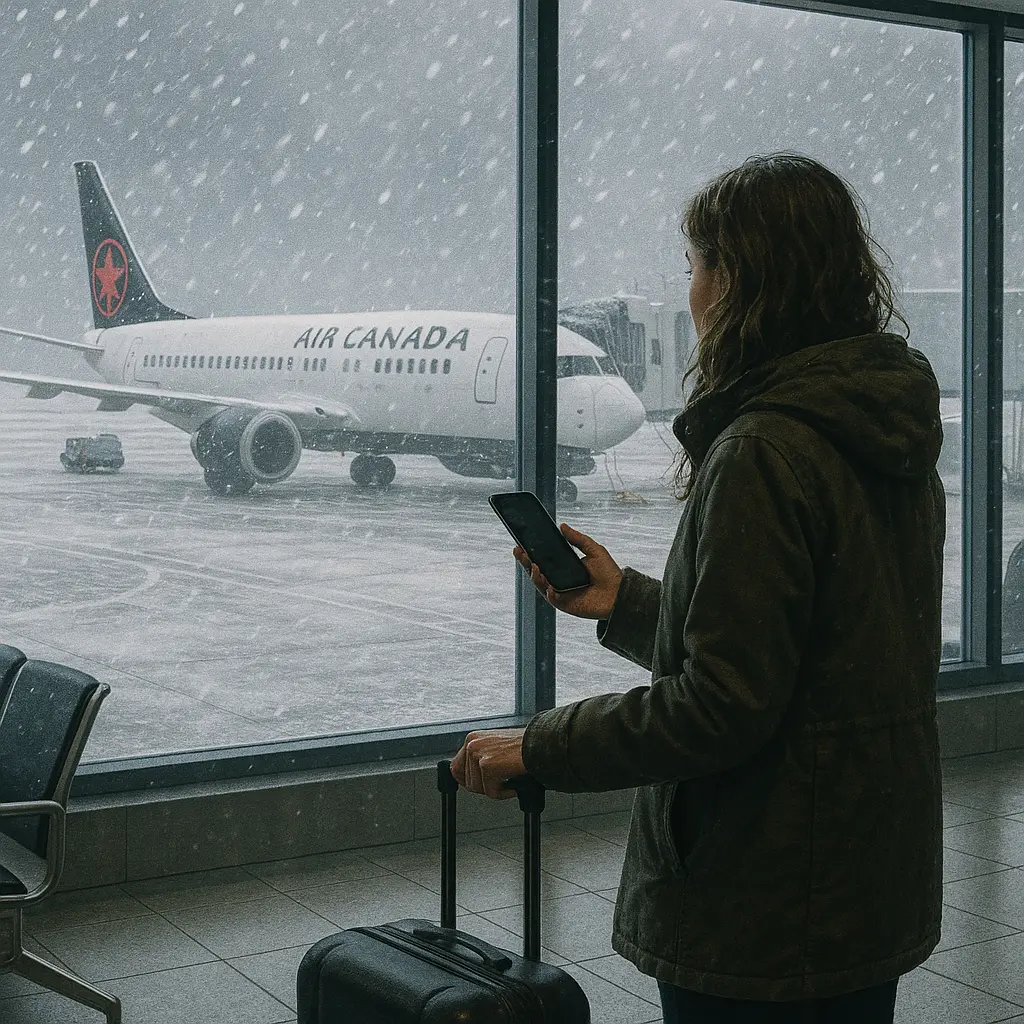
Weather conditions significantly influence air travel, impacting schedules and overall passenger experience. Extreme weather phenomena lead to uncertainty and frustration for travelers. Whether it’s thunderstorms or heavy snowfall, disruptions can occur suddenly. When conditions deteriorate, airlines must make quick decisions to ensure safety.
The numbers are striking. In 2024, over 40% of flight delays were attributed to weather-related issues. Airports often face challenges managing traffic during adverse situations. Passengers can find themselves stranded or scrambling for alternatives. Not only does weather affect departure times, but it also has ripple effects throughout the entire travel network.
Airlines typically respond to adverse conditions by prioritizing safety, which sometimes results in the cancellation of multiple flights. Delays can be compounded by logistical issues, such as the availability of crew and aircraft in the aftermath of poor weather. When storms hit, airlines have to navigate a complex web of regulations and operational challenges to ensure compliance and maintain safety standards.
| Weather Condition | Impact on Flights | Percentage of Delays |
|---|---|---|
| Thunderstorms | Flight cancellations and ground stops | 28% |
| Snow and Ice | Reduced visibility and slippery runways | 12% |
| Fog | Limited visibility causing delays | 8% |
| High Winds | Takeoff and landing restrictions | 5% |
It’s vital for travelers to stay informed about weather forecasts before heading to the airport. Keeping an eye on real-time updates can help manage expectations. While airlines strive to minimize the impact of weather disruptions, preparation and flexibility on the part of passengers play crucial roles in navigating challenges during air travel.
Statistics on Flight Disruptions Worldwide
Understanding the scope of disturbances in air travel can be enlightening. Many travelers encounter unexpected changes that disrupt their plans. The frequency of these occurrences often astounds. Whether it’s weather-related issues or operational challenges, the impact is substantial. In fact, data reveals significant trends in the aviation sector.
According to recent statistics, about 20% of flights experience some form of disruption each year. In 2024, over 6 million flights were delayed globally. Meanwhile, cancellations reached approximately 1.5 million. The reasons vary widely, from extreme weather conditions to technical malfunctions. Such issues affect millions of passengers annually, highlighting the need for better solutions.
Moreover, the Economic Impact of such interruptions is profound, costing airlines billions of dollars in lost revenue. During peak travel seasons, disruptions can spike significantly, with delays increasing by over 30%. The ripple effect on travelers can be devastating, leading to missed connections and unexpected overnight stays. Despite advancements in technology, airlines continue to struggle with maintaining timely operations.
In summary, disruptions in air travel are a persistent issue. With millions affected each year, awareness and preparedness become crucial. Collecting and analyzing data on these occurrences can inform future strategies, ultimately enhancing the travel experience.
Effective Strategies for Passengers During Disruptions
Travel disruptions can be incredibly frustrating, often leaving travelers feeling bewildered and uncertain. When plans change unexpectedly, it’s crucial to stay composed and focused. While the situation may be out of your control, how you respond is key. Being prepared can significantly lessen the impact of these unforeseen events. It’s about turning challenges into manageable situations.
First and foremost, keep calm. Panic rarely leads to positive outcomes. Reach for your important documents. Make sure you can access your tickets, identification, and insurance information quickly. Familiarize yourself with airline policies regarding changes and compensations. Knowledge is empowering, especially during chaotic moments.
In addition, staying connected with your airline is vital. Many airlines provide real-time updates via their apps or websites. By having this information at your fingertips, you can make more informed decisions. Don’t hesitate to engage with customer service, whether through social media or direct calls, as they can often expedite your assistance.
Furthermore, consider alternative travel arrangements early. If your journey becomes uncertain, explore options like other flights, trains, or even rental cars. This proactive approach can save you time and frustration in the long run. Many travelers find that flexibility opens new routes they hadn’t considered before.
Lastly, prioritize your well-being during such instances. Plan for long waits by bringing snacks, entertainment, or a good book. This not only helps pass the time but also keeps your spirits high. Remember, the aviation industry reported that in 2024, around 30% of flights experienced some form of disruption, underscoring the importance of staying prepared for anything.
Steps to Take Immediately After a Cancellation
When travel plans are disrupted, swift action can make a significant difference. First, stay calm and collected. Take a deep breath and assess your situation. Remember that you are not alone–many passengers face similar challenges. Knowing what to do next will prepare you for what lies ahead.
Check with your airline right away. Access their official website or mobile app for updates. Many carriers provide real-time information on cancellations and available alternatives. If you’re unable to reach them online, consider calling their customer service. Keep in mind that waits may be long, especially during peak travel times.
Document everything. Take notes of flight numbers, times, and any conversations with airline representatives. This information can be vital later on, especially if you need to file a complaint or seek compensation. Capture screenshots of your bookings, and keep receipts for expenses incurred due to the interruption.
Explore your options carefully. Depending on your situation, you may have several alternatives available. Some airlines automatically rebook you on the next available flight, while others might allow you to select a different route. Always ask about potential upgrades or compensation, as many will offer travel vouchers or meals to affected travelers.
Consider your immediate needs. You may need accommodations if the next available flight isn’t until the following day. Many airports offer information desks to assist in arranging hotels, and some airlines provide complimentary stays for passengers with significant disruptions. Staying informed is crucial, as nearly 25% of flights experience cancellations or delays each year, highlighting the importance of being prepared.
Don’t forget to reach out to friends or a travel companion. Keeping loved ones updated about changes is important for both your peace of mind and theirs. Discuss what options are available, and weigh your decisions together. Ultimately, staying organized and proactive can ease stress and facilitate smoother travel experiences in uncertain situations.
How to Access Compensation for Inconvenience
Travel disruptions can be frustrating. Many people are unaware of their rights in these situations. Understanding how to pursue compensation can significantly ease the stress. This section will guide you through the necessary steps to reclaim your losses.
First, be aware of the regulations that apply. Different regions have distinct laws. For example, in the European Union, air passengers benefit from Regulation EC 261/2004. Individuals may be entitled to compensation depending on the circumstances of the delay or cancellation.
- Gather all necessary documentation.
- Keep your boarding passes and any communication from the airline.
- Document the duration and reason for the disruption.
- Take notes on any expenses incurred due to the inconvenience.
Once you have collected all relevant information, the next step involves reaching out to the airline directly. This communication must be clear and concise to express your claim effectively, along with the documentation that justifies your request, enhancing your chances of a favorable response.
- Visit the airline’s official website for compensation guidelines.
- Submit a claim through their designated platform or customer service.
- Follow up if you do not receive a timely response.
According to recent industry surveys, approximately 20% of passengers do not pursue claims despite being eligible for compensation. This underlines the importance of understanding your rights and taking action whenever necessary. Patience is key during this process, as it may take weeks to receive a resolution.
If your initial request is denied, don’t lose hope. You can escalate the matter. Consider involving a consumer rights organization or filing a complaint with aviation authorities to strengthen your position and seek further assistance.
Finally, remember to remain calm and polite throughout the process. A respectful approach often yields better results with customer service representatives. Your journey may be interrupted, but the opportunity to recover your costs is within reach.







16 responses
As a travel agent, it’s important to stay calm and collected when assisting clients with flight cancellations. Communication is key in these situations to ensure a smooth resolution.
As a travel enthusiast, I always have a Plan B in case my flight gets canceled. It’s important to be flexible and prepared for any unexpected changes to your travel plans.
Don’t be afraid to ask for compensation or accommodations when your flight gets canceled. Airlines often have policies in place to help passengers in these situations.
It’s always a good idea to have travel insurance when flying, especially during peak travel times when cancellations are more likely. This can help cover the cost of unexpected changes to your plans.
When dealing with a flight cancellation, make sure to stay updated on the status of your flight through the airline’s website or app. This will help you make informed decisions about your next steps.
Has anyone ever experienced a flight cancellation and had a positive outcome? How did you handle the situation and what advice do you have for others facing similar challenges?
As a travel agent, I totally feel the struggle when it comes to flight cancellations and delays. It’s all about staying calm and finding solutions. Communication is key – make sure to stay in touch with your airline and consider alternative options if needed. Let’s brainstorm together!
Flight delays are the worst, especially when you’ve got plans waiting for you at your destination. My advice is to stay flexible and keep a positive attitude. Who else has some words of wisdom to share when it comes to dealing with flight delays?
Hey guys! Flight cancellations are no joke, but staying positive is key! It’s always a good idea to have travel insurance for these unexpected situations. Who else swears by travel insurance? Let’s chat about it!
Flight delays can be such a buzzkill, am I right? But hey, it’s all about making the best of a bad situation. Who here has some creative ways to kill time during a flight delay? I’m all ears!
Oh man, flight cancellations are the worst! Has anyone experienced a cancellation and had to rebook last minute? Share your horror stories, people! Let’s commiserate together and maybe even learn a thing or two from each other.
Flight cancellations can throw a major wrench in your travel plans, but don’t fret! Remember to stay informed and flexible. Sometimes a little patience goes a long way in getting things sorted out. How do you guys stay zen during a travel crisis?
Flight cancellations can be a real headache, but it’s all about being proactive! Keep an eye on your flight status, have a backup plan ready, and don’t be afraid to reach out to the airline for assistance. Anyone have a success story to share about overcoming a flight cancellation?
Hey y’all! Travel enthusiast here! Flight cancellations and delays can be a total nightmare, am I right? But fear not, I’ve got some essential strategies to help you navigate through a travel crisis like a pro. Let’s share our tips and tricks to make life easier for each other!
Yo, fellow travelers! Flight delays can really mess up our plans, am I right? My go-to strategy is to always have a backup plan in case things go south. What’s your secret weapon for dealing with flight delays, fam?
Hey travel buddies! Flight delays are like getting a punch in the gut, but we gotta roll with the punches, yeah? My tip is to always pack a good book or download some killer podcasts to keep you entertained during those long waits. What’s your go-to boredom buster?